

Myopia in Children: Symptoms, Causes, Treatment & Prevention Guide for Parents
29 April, 2026
9 Shares
141 Reads
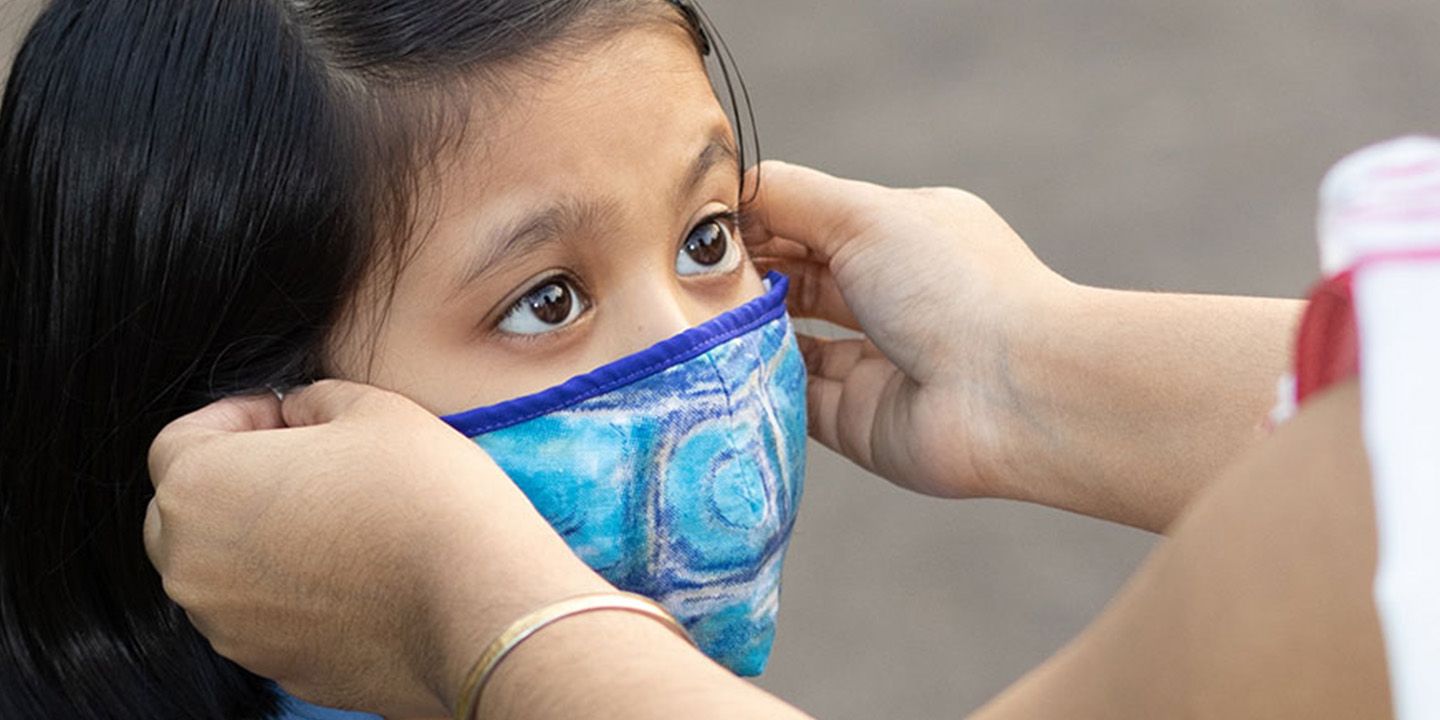
Has your child been squinting at the board in class or sitting too close to the television? If the answer is yes, it might be a case of near-sightedness (Myopia).
It is one of the most common vision conditions in which distant objects appear blurry. As a parent, you have to act early so that it is easy to manage.
In this guide, we will understand everything you need to know about myopia in children in detail.
Understanding Near-Sightedness (Myopia)
Myopia is a progressive condition where your child's eyeball grows too long, causing distant objects to appear blurry. It often develops between the ages of 5 and 14 due to genetics or excess screen time. To understand how myopia develops, here is a simple breakdown:
- In a normal human eye, light enters through the cornea and lands on the retina, giving a person a clear image around them
- But in the case of myopia, the eyeball grows slightly longer, and light reflects in front of it
- The result is that the child starts squinting to see distant objects clearly
The good news is that once this condition is identified, it is easy to manage. Consult your doctor early to slow this progression.
Why is Near-Sightedness (Myopia) Increasing in Children?
The World Health Organisation (WHO) reports that, by 2050, 48% of children will be affected by this condition. Here is a top reason of increasing myopia:
Less Time in the Outdoors
Due to the internet and digital penetration, children today spend less time outside than previous generations did. Natural light plays an important role in regulating eye growth. Otherwise, the eyeball is more likely to elongate faster.
Increasing Screen Time
Another factor is screen time. In 2026, children are spending more hours on close-up screens. Many parents also develop a habit of allowing screens during mealtimes, which increases the chances of near-sightedness (myopia).
Academic Pressure
The most common reason is academic pressure. Heavy reading loads, homework, and long study hours cause continuous strain on your child's eyes. Over time, this strain enhances the progression of myopia.
Genetics
Heavy reading loads, homework, and long study hours cause continuous strain on your child's developing eyes, and over time, that strain can increase the progression of this condition.
Symptoms of Near-Sightedness (Myopia) in Children?
Children rarely complain about their vision directly, but as a parent, you have to catch it before it starts affecting their daily life. Key symptoms include:
Squinting to See Distant Objects
If your child squints every time they look at something far away, then it is a sign. Actually, it helps them see a little more clearly by narrowing the amount of light entering the eye, but it is not a solution.
Sitting Too Close to the TV
Another symptom is watching television closely. If your child consistently sits right in front of the television despite you told many times, their eyes need attention.
Difficulty Seeing the Board at School
If your child's teacher complained about attention or participation in class, blurry vision could be the reason. A child who cannot see the board clearly will naturally struggle to keep up, regardless of how attentive they are.
Frequent Blinking or Eye Rubbing
The most common symptoms is blinking or eye rubbing. If your child is repeatedly doing this, it is a sign that their eyes are working harder to see the far objects.
Treatment Options for Myopia in Children
Myopia cannot be fully reversed, but the right treatment can slow it down and keep your child's vision as stable as possible.
Prescription Eyeglasses
The simplest thing to start with is a pair of prescription glasses. They are safe, comfortable, and easy to update as your child grows. Most eye doctors recommend this as the first step after myopia detection.
Contact Lenses
If your child is older and responsible enough to handle them, contact lenses are a good alternative to glasses. They are particularly helpful during sports or outdoor activities where glasses can be inconvenient.
Orthokeratology Lenses
These are special lenses your child wears overnight that gently reshape the cornea while they sleep. By morning, they take them off and can see clearly throughout the day without needing glasses at all.
Atropine Eye Drops
If your child's prescription keeps changing every few months, the doctor may recommend low-dose atropine eye drops alongside glasses. They are applied once a day and have shown good results in slowing down how fast myopia progresses.
Prevention Tips for Myopia in Children
While myopia cannot always be prevented, especially if it runs in your family. As a parent, you slow it down and protect your child's vision during their growing years.
Encourage Outdoor Time
Make sure your child spends at least one to two hours outside every day. Natural light helps regulate the eye's growth and reduces the risk of myopia. It does not have to be a structured activity; simply playing outside counts.
Set Screen Time Limits
Try to keep a check on how much time your child spends on phones, tablets, and televisions each day. Encourage regular breaks and avoid making screens a part of mealtime routines. Instead, you talk to your child about their school stories, etc.
Follow the 20-20-20 Rule
If your child spends long hours reading or studying, remind them to look away from their book or screen every 20 minutes, focus on something 20 feet away, and hold it for 20 seconds. It is a simple habit that gives their eyes a much-needed break.
Ensure Proper Lighting While Studying
Poor lighting puts a lot of strain on your child’s eyes. Make sure their study space is well-lit and that they are not reading in dim light or in a position where light falls directly on the page, causing glare.
Schedule Regular Eye Check-ups
Even if your child has not complained about their vision, a routine eye examination once a year can catch early changes before they become noticeable. The earlier a shift is detected, the more effectively it can be managed.
Final Thoughts
As a parent, it is natural to worry when you notice changes in your child's vision. But myopia, as common as it is today, is very much manageable when caught early. The signs are often right in front of you, whether it is your child squinting at the board or constantly moving closer to the television. Trusting those observations and acting on them is half the battle.
With the right correction, healthy screen habits, and regular eye check-ups, you can make a real difference in how your child's vision develops over the years.
At Niva Bupa, we understand that your child's health is your top priority. Our health insurance plans are designed to take the financial stress out of consultations, eye examinations, and treatments, so that getting the right care for your child is never a difficult decision.
FAQs
1. At what age should I get my child's eyes tested for the first time?
It is recommended to get your child's eyes tested by the age of three, even if no symptoms are visible. Early testing helps establish a baseline and makes it easier to track any changes as they grow.
2. Can myopia be fully cured in children?
Myopia cannot be fully cured, but it can be effectively managed, and its progression slowed with the right treatment. Most children see significant improvement in their quality of life with timely correction.
3. Is it safe for young children to wear contact lenses?
Contact lenses are generally considered safe for children who are mature enough to handle and maintain them hygienically. Most eye doctors recommend them for children aged 12 and above, depending on the child.
4. Can myopia stabilise on its own without treatment?
Myopia typically stabilises in the late teens when the eye stops growing. However, leaving it untreated during the growing years can allow it to progress further and become harder to manage later.
5. How often should my child's prescription be updated?
Children with myopia may need their prescription updated every six to twelve months during their growing years, as the condition can change quickly. Regular eye check-ups help ensure their correction stays accurate.
6. Does eating carrots or other vegetables actually help with myopia?
A healthy diet supports overall eye health but cannot reverse or prevent myopia on its own. Nutrients like lutein and vitamin A are beneficial for the eyes, but are not a standalone solution for near-sightedness.
7. Can myopia cause permanent damage to my child's eyes if left untreated?
Mild to moderate myopia rarely causes permanent damage, but high myopia left unmanaged can increase the risk of complications like retinal detachment later in life. Timely treatment significantly reduces this risk.
8. Are Ortho-K lenses safe for children to use every night?
Ortho-K lenses are considered safe for children when fitted and monitored by a qualified eye care professional. Regular follow-up appointments are important to ensure the lenses continue to fit correctly.
9. Will my child need glasses forever once they start wearing them?
Not necessarily. Some children may become candidates for corrective surgery once they reach adulthood and their prescription has stabilised. Your eye doctor can advise on long-term options as your child grows.
10. Can myopia develop in a child who has no family history of it?
Yes, myopia can develop even without a family history. Lifestyle factors like excessive screen time, limited outdoor activity, and heavy academic workload can trigger its onset regardless of genetics.
Get right coverage, right premium and the right protection instantly.
 By clicking, I agree to Niva Bupa
 You may also like


Popular Searches
Health Insurance - Health Insurance | Best Family Health Insurance | Best Health Insurance For Senior Citizens In India | Health Insurance With Opd Cover | Mediclaim Insurance | Critical Illness Insurance | Personal Accident Insurance | Mediclaim Policy | Individual Health Insurance | Maternity Insurance | Best Health Insurance company | NRI Health Insurance
Health Insurance Schemes - PMMVY Login | PMJJBY Policy Status | Swasthya Sathi Card | PMSBY | ABHA Card Download | PMJJBY | Ayushman Card | PMMVY 2.0 | Ayushman Vay Vandana Card | PMMVY NIC IN रजिस्ट्रेशन | PMMVY 2.0 लॉगिन
Travel Insurance Plans - Travel Insurance | International Travel Insurance | Student Travel Insurance | Travel Insurance USA | Travel Insurance Canada | Travel Insurance Thailand | Travel Insurance Germany | Travel Insurance Dubai | Travel Insurance Bali | Travel Insurance Australia | Travel Insurance Schengen | Travel Insurance Singapore | Travel Insurance UK | Travel Insurance Vietnam | Travel Insurance Japan | Travel Insurance Spain | Travel Insurance Asia | Travel Insurance Netherlands | Travel Insurance Turkey | Travel Insurance Ireland | Travel Insurance Phillipines | Travel Insurace Italy | Travel Insurance France | Travel Insurance China | Travel Insurance Georgia | Travel Insurance South Africa | Travel Insurance Maldives | Travel Insurance Portugal | Travel Insurance Malaysia | Travel Insurance Qatar | Travel Insurance Poland | Travel Insurance Greece | Travel Insurance New zealand | Travel Insurance Saudi Arabia | Travel Insurance Sri Lanka
Become an Agent - Insurance Agent | Insurance Advisor | Licensed Insurance Agent | Health Insurance Consultant | POSP Insurance Agent | IRDA Certificate Download | IC 38 Exam | Insurance Agent vs POSP | IRDA Exam Syllabus | IRDAI Agent Locator | IRDA exam fee | Paise Kaise Kamaye | Ghar Baithe Paise Kaise Kamaye
Top Hospitals - Best Hospitals in Chennai | Top Hospitals in Delhi | Best Hospitals in Gurgaon | Best Hospitals in India | Top 10 Hospitals in India | Best Hospitals in Hyderabad | Best Hospitals in Kolkata | Best cancer hospitals in Bangalore | Best cancer hospitals in Hyderabad | Best cancer hospitals in Mumbai | Best cancer hospitals in India | Top 10 cancer hospitals in India
Others - Ayushman Bharat | Gst Refund for NRI on Health Insurance Premium | Health Insurance Tax Deductible
Health & Wellness - शिलाजीत के फायदे हिंदी | Weight Gain Diet in Hindi | Sat Isabgol Uses In Hindi | Aloe Vera Juice Benefits in Hindi | Dragon Fruit Benefits in Hindi | Akal Daad in Hindi | Acidity Home Remedies in Hindi | Nikat Drishti Dosh in Hindi | Yoga Benefits in Hindi | Laung Khane ke Fayde in Hindi | Leukoplakia in Hindi | Protien in 100g Paneer | Benefits of Rice Water For Skin | B12 Deficiency Symptoms in Hindi | Fibre Foods in Hindi | Chronic Disease Meaning in Hindi | Vitamin D Foods in Hindi | Blood Urea in Hindi | Beetroot Uses Good for Health
Calculator - BMI Calculator | Pregnancy Calculator | Pregnancy Calendar Based on Conception Date | Pregnancy Conception Date Calculator | Last Menstrual Period Calculator | BMR Calculator | GFR Calculator | Ovulation Calculator



www.nivabupa.com

+91 11 30902010

1860-500-8888

CIN: L66000DL2008PLC182918
IRDAI Registration No. 145

Corporate Office: 3rd Floor, Capital Cyberscape, Sector 59, Gurgaon
Registered Office: C-98, First Floor, Lajpat Nagar, Part 1, Delhi-110024, India


