

Understanding Nosocomial Infection in Healthcare Settings
5 May, 2026
9 Shares
107 Reads
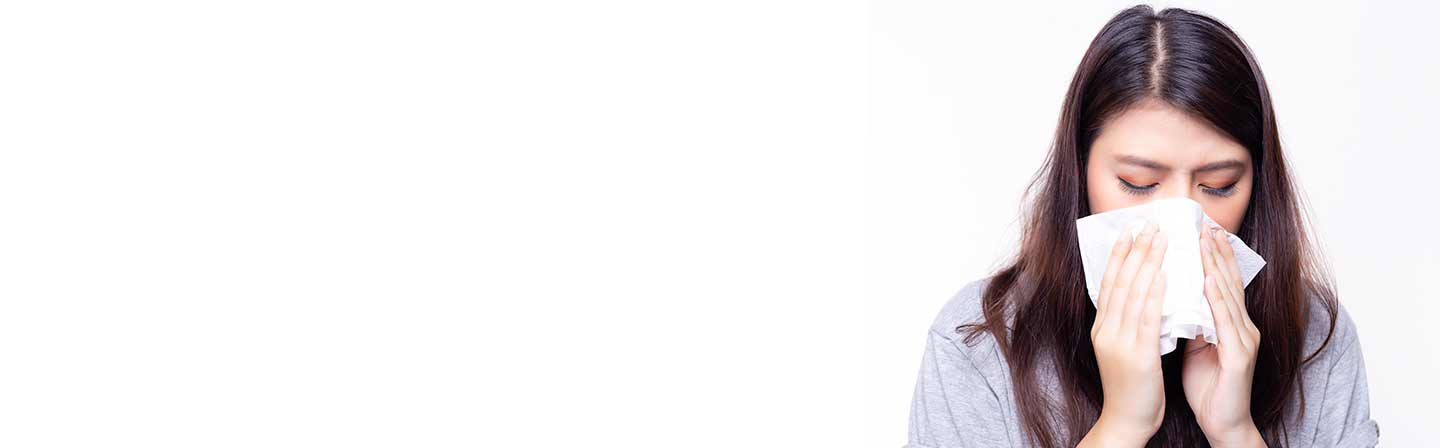
The modern healthcare setting can be described in terms of outstanding technological advancement, life-saving surgery, and superior diagnostic tools. Since there are less invasive interventions like the ones in a small surgical facility to highly advanced intensive-care departments, medicine has come a long way in terms of increasing survival rates and life quality. However, even in the most sterile environments, a silent and persistent threat remains: nosocomial infection. These infections are also called hospital-acquired infections (HAIs), and they develop throughout the time of a patient's stay in a health institution and were not present or incubating during the time of admission.
Nosocomial infections represent a significant challenge for healthcare providers and a major risk for patients, particularly those with weakened immune systems, chronic illnesses, or those undergoing invasive procedures. They may lengthen the time of hospitalisation, raise the expenses of medicine, and cause fatal complications in the worst scenarios. Knowing the modes of transmission of these infections, their effects on people's health, and the preventive measures is important for anyone in the contemporary medical system.
An Overview of Nosocomial Infections
A nosocomial infection, often referred to as a Healthcare-Associated Infection (HAI), is defined as an infection that a patient acquires while receiving treatment in a medical facility. More importantly, the infection should not have been ongoing or simmering at the entry of the patient. Mostly, an infection is defined as nosocomial when it appears 48 hours or more following hospitalisation, or within 30 days after a surgical operation. Such infections may happen in a hospital, ambulatory surgical facilities, nursing home, or rehabilitation centre.
The causes of such infections are varied. They may be endogenous, that is, the pathogens already reside in the body of the patient (such as skin or gut flora) and migrate to an area where they result in disease during a procedure. As an alternative, they may be exogenous, in which the pathogens may enter the system via the outer environment, including the hands of healthcare workers, infected medical equipment or ventilating systems in the hospital. The hospital environment is a special habitat due to its complexity, which allows it to be a breeding ground of different microorganisms such as bacteria, viruses and fungi.
Ending with the classification of these infections is the initial move in acting towards them. They can be of Central Line-associated Bloodstream Infections (CLABSI), Catheter-associated Urinary Tract Infections (CAUTI), Surgical Site Infections (SSI), and Ventilator-associated Pneumonia (VAP). All these have a certain attitude in clinical diagnosis as well as treatment. In hospitals, patients may be immunocompromised, and recovery means more vulnerability; they are highly vulnerable to these opportunistic pathogens.
Frequent Pathogens and Stages of Transmission
The surrounding microbiological environment of a hospital is very different from the outside world. The most frequent culprits behind a Hospital-acquired illness include well-known bacteria like Staphylococcus aureus (specifically MRSA), Escherichia coli, and Clostridium difficile. Such pathogens have commonly become accustomed to the hospital environment, with some becoming resistant to the various antibiotics. This resistance reduces the effectiveness of treating hospital-acquired infections as opposed to community-acquired infections, as the community-acquired infections can be treated using the same cheaper medications with fewer side effects.
Contact Transmission
The different methods of transmission are usually several, and the most common is the contact transmission. This occurs when a health professional comes into contact with a dirty surface or an infected individual and then comes in contact with another patient without making the right hand washing their hands. The next significant cause is indirect contact, where medical devices like stethoscopes, thermometers, or even bed rails carry the pathogenic agents that are transmitted among individuals. To ensure that this chain of transmission is broken, it is important to have a high-standard cleaning regime.
Airborne Transmission
Droplet and airborne transmission is another major routes. Some infections, such as influenza or tuberculosis, may be spread by the coughing or sneezing of an infected person. A hospital environment presents a special situation, whereby certain operations, such as intubation, can allow bacterial spores to get into aerosol form, and consequently, inhaling them is more likely. In addition, the water and air conditioning systems of a given hospital should be well-maintained to avoid proliferation of such organisms, such as Legionella, which could cause serious respiratory problems once sent to the air flowing through the facility.
Lastly, invasive devices lead to a direct route of entry of the pathogens into the body. Any time a barrier like the skin is breached--whether by an IV line, a urinary catheter, or a surgical incision--the risk of a nosocomial infection increases exponentially. Such gadgets have the potential to form so-called biofilms that are a coating of bacteria extremely resilient to the immune system of the body as well as antibiotics. The constant supervision of these devices and taking them off when there is no specific need is a foundation of contemporary infection control.
Effects on the Healthcare Costs and Patient Outcomes
The consequences of a nosocomial infection are far-reaching, affecting not just the individual patient but the entire healthcare infrastructure. To the patient, an HAI can be associated with the length of stay in the hospital being extended a lot. It is possible that a three-day recovery that would have been normal turns into weeks of intense treatment. This protracted stay has heightened the propensity of further complications, including, but not limited to, muscle atrophy, bedsores, and other complications, which produce a sequence of waning health which is hard to reverse.
Psychological Burden
In addition to the physical price, it has a huge psychological cost. Patients put in the hospital with a positive outlook to recover, only to be exposed to a different and possibly life-threatening disease, are likely to suffer a lot of anxiety and lose their faith in the healthcare system. In the most severe cases, Hospital-acquired illness can lead to permanent disability or mortality. It is particularly the case with the elderly or the neonates in the intensive care units whose systems are fragile and cannot withstand attack by the vile pathogens that are brought by the hospital.
Economic Outcome
Economically, this cost is enormous. Hospitals are also incurring higher expenses for additional diagnostic tests, special medications, and isolation rooms. In several healthcare systems, insurance companies have stopped providing payment for the treatment of some of the preventable HAIs, and ageing hospitals have to bear the costs directly. This provides a strong motivation to the institutions to invest in superior prevention; however, it stretches the resources of an already operating facility on lean margins.
Strategies for Prevention and Control
The primary defence against a Hospital-acquired infection (HAI) is a robust infection control programme. The most efficient weapon in this arsenal is hand hygiene, which is, surprisingly, simple. Hand-washing requirements among doctors, visitors, and nurses will help in cutting the spread of pathogens by an immense percentage. Alcohol-based hand rubs are now stockpiled at every entrance and beside more often than not, making compliance as simple and commonplace as it can be, making it an immutable aspect of the clinical endeavour.
Environmental Hygiene
Another pillar of prevention, which is crucial, is environmental hygiene. This is a procedure where high-touch areas like doorknobs, elevator buttons and medical monitors are systematically disinfected. Technological improvements have brought with them such technologies as ultraviolet (UV-C) light disinfection and hydrogen peroxide vapour, which can certainly help to sterilise the whole room, with the help of manual cleaning only. It is also important that the physical environment is unfavourable to the growth of microbes and thus, offers protection to patients moving across various sections of the facility.
Antimicrobial Stewardship (AMS)
The strategy of antimicrobial stewardship is newer yet equally important. Hospitals can reduce the emergence of multidrug-resistant organisms by making sure they only use antibiotics when they are needed, and prescribe the right drug and dosage. When antibiotics are used unnecessarily on bacteria, they start to learn how to survive, resulting in the emergence of so-called superbugs. Stewardship programmes entail the coordination of pharmacists, infectious disease experts and clinicians in ensuring that whatever is left in the existing stock of antibiotics remains effective for future generations.
Lastly, family and patient education are important factors. Patients are to raise their voices in case they do not witness a provider washing their hands,s and are to be trained how to treat their own incisions or catheters. Basic precautions, i.e., Personal Protection Equipment (PPE), the use of gloves, gowns, and masks is to be utilised according to the suspected form of infection. Through cultivating a culture of safety in which all members, including the surgeon and the circle of janitors, are assigned the role of infection control, the number of HAIs can be cut drastically.
Conclusion
Nosocomial infection remains one of the most persistent challenges in modern medicine, bridging the gap between clinical excellence and the inherent risks of a shared healing environment. While the term might sound technical, its impact is deeply personal, affecting the lives and recoveries of millions of patients worldwide. A blend of basic hygiene, high-tech medicine and hard commitment by medical personnel keeps healthcare organisations on the path towards ensuring a safer hospital environment for all.
These risks need a multi-layered strategy that will not only be necessary with the medical staff but also with the patients and their support teams. Being a proactive participant in the process of healthcare is staying informed on the risks, promotion of clean practises and knowledge of the existing protocols. Medical science will also improve, hence so will our ways of countering these silent threats, so that the hospital will always be a healing place first.
The dynamics of healthcare also require one to be ready to face the unpredictable. The insurance company is Niva Bupa Health Insurance, which is a good partnership to have because the world is not predictable. They are patient-oriented to the efforts of creating plans that incorporate the desires of the new patient, such as funds-free hospitalisation in an enormous provider network and a satisfying process of claims. Having a thorough health policy in place will have you look forward to recovery and health, and give the financial aspect of it to the professionals and the expertise it deserves.
People Also Ask
1. What is nosocomial infection?
A nosocomial infection is a healthcare-associated infection that a patient acquires while receiving treatment in a medical facility, such as a hospital or clinical setting. The infection has to be non-existent or incubating at the time of the patient being admitted to be classified as nosocomial. In most instances, the patients do not show any signs of these infections at least 48 hours after admission or within a certain range after a surgical operation.
2. Which is the most common cause of a nosocomial infection?
The most common cause of a Hospital-acquired infection (HAI) is the transmission of pathogens through the hands of healthcare workers. Bacteria and viruses are so easily spread when medical workers come in contact with contaminated surfaces or infected patients and then move on to treat another patient without strict hand hygiene. Besides a manual mode of transmission, the application of invasive medical provisions such as catheters and ventilators is also an avenue through which microorganisms can directly enter the body by circumventing the inherent protective mechanism of skin and mucous membranes.
3. What are 5 common nosocomial infection?
Five common types of nosocomial infection frequently occur in clinical environments. These are catheter-associated urinary tract infections, surgical site infections, central line-associated bloodstream infections, pneumonia that may result from ventilators and gastrointestinal infections by bacteria like Clostridium difficile. All these conditions occur as a result of certain interactions between medical practises and the weakness of the patient who is in a healthcare facility.
4. Which is an example of a nosocomial infection?
A primary example of a nosocomial infection is Methicillin-resistant Staphylococcus aureus, commonly known as MRSA. The given bacterial infection is frequently acquired in hospitals during contact between humans and their skin or infected equipment. Due to the fact that MRSA is not sensitive to the most common antibiotics, the bacteria are especially hard to deal with, and it is a major problem in infection control teams operating to ensure a sterile and safe working environment for patients.
Get right coverage, right premium and the right protection instantly.
 By clicking, I agree to Niva Bupa
 You may also like

Popular Searches
Health Insurance - Health Insurance | Best Family Health Insurance | Best Health Insurance For Senior Citizens In India | Health Insurance With Opd Cover | Mediclaim Insurance | Critical Illness Insurance | Personal Accident Insurance | Mediclaim Policy | Individual Health Insurance | Maternity Insurance | Best Health Insurance company | NRI Health Insurance
Health Insurance Schemes - PMMVY Login | PMJJBY Policy Status | Swasthya Sathi Card | PMSBY | PMJJBY | Ayushman Card | PMMVY 2.0 | Ayushman Vay Vandana Card | PMMVY NIC IN रजिस्ट्रेशन | PMMVY 2.0 लॉगिन
Travel Insurance Plans - Travel Insurance | International Travel Insurance | Student Travel Insurance | Travel Insurance USA | Travel Insurance Canada | Travel Insurance Thailand | Travel Insurance Germany | Travel Insurance Dubai | Travel Insurance Bali | Travel Insurance Australia | Travel Insurance Schengen | Travel Insurance Singapore | Travel Insurance UK | Travel Insurance Vietnam | Travel Insurance Japan | Travel Insurance Spain | Travel Insurance Asia | Travel Insurance Netherlands | Travel Insurance Turkey | Travel Insurance Ireland | Travel Insurance Phillipines | Travel Insurace Italy | Travel Insurance France | Travel Insurance China | Travel Insurance Georgia | Travel Insurance South Africa | Travel Insurance Maldives | Travel Insurance Portugal | Travel Insurance Malaysia | Travel Insurance Qatar | Travel Insurance Poland | Travel Insurance Greece | Travel Insurance New zealand | Travel Insurance Saudi Arabia | Travel Insurance Sri Lanka
Become an Agent - Insurance Agent | IRDA Certificate Download | IRDA Exam Syllabus | IRDA exam fee | Paise Kaise Kamaye | Ghar Baithe Paise Kaise Kamaye
Top Hospitals - Best Hospitals in Gurgaon
Others - Ayushman Bharat | Gst Refund for NRI on Health Insurance Premium
Health & Wellness - शिलाजीत के फायदे हिंदी | Weight Gain Diet in Hindi | Sat Isabgol Uses In Hindi | Aloe Vera Juice Benefits in Hindi | Dragon Fruit Benefits in Hindi | Akal Daad in Hindi | Acidity Home Remedies in Hindi | Nikat Drishti Dosh in Hindi | Yoga Benefits in Hindi | Laung Khane ke Fayde in Hindi | Leukoplakia in Hindi | Protien in 100g Paneer | Benefits of Rice Water For Skin | B12 Deficiency Symptoms in Hindi | Fibre Foods in Hindi | Chronic Disease Meaning in Hindi | Vitamin D Foods in Hindi | Blood Urea in Hindi | Beetroot Uses Good for Health
Calculator - BMI Calculator | Pregnancy Calculator | Pregnancy Calendar Based on Conception Date | Pregnancy Conception Date Calculator | Last Menstrual Period Calculator | BMR Calculator | GFR Calculator | Ovulation Calculator



www.nivabupa.com

+91 11 30902010

1860-500-8888

CIN: L66000DL2008PLC182918
IRDAI Registration No. 145

Corporate Office: 3rd Floor, Capital Cyberscape, Sector 59, Gurgaon
Registered Office: C-98, First Floor, Lajpat Nagar, Part 1, Delhi-110024, India


