

Proctoscopy: Purpose, Preparation, Procedure, and Results
6 April, 2026
9 Shares
212 Reads
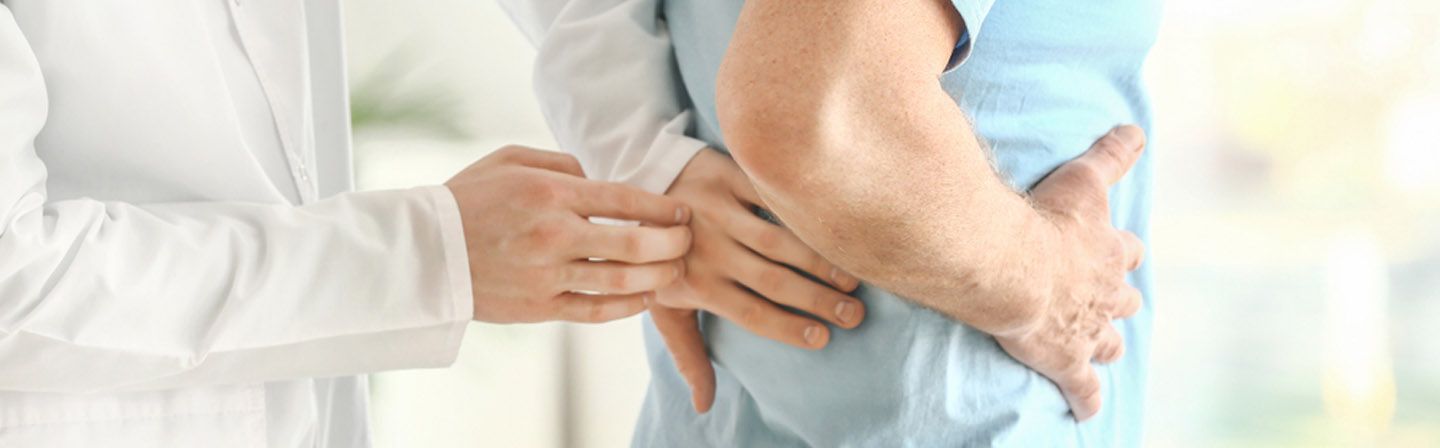
If your doctor has recommended a proctoscopy, it is natural to feel a bit unsure, especially if you are hearing about it for the first time. While the name may sound intimidating, it is actually a simple and commonly performed test that helps doctors examine the inside of the rectum. It is usually advised when there are symptoms like bleeding, pain, or changes in bowel habits, and it helps identify issues such as piles, inflammation, or infections.
In this blog, we will walk you through everything you need to know about proctoscopy in a clear and easy way, including why it is done, how to prepare, what happens during the procedure, and what the results mean.
What Is A Proctoscopy?
A proctoscopy is a simple medical test used to examine the rectum and the anal canal, which is the lower part of the large intestine. During the procedure, the doctor gently inserts a short, hollow tube called a proctoscope into the rectum to get a clear view of the inner lining. It is a common and quick procedure usually done in an outpatient setting, so you do not need to stay in the hospital. The proctoscope is a small instrument, about 7 to 10 centimetres long, with a light that helps the doctor see clearly, and sometimes a tiny camera may also be used for a better view.
Why Is A Proctoscopy Done?
There are quite a few reasons why a doctor might suggest this examination. Some of the most common ones include:
- Rectal bleeding or blood in the stools
- Persistent pain or discomfort in the anal area
- Unexplained changes in bowel habits
- Suspected haemorrhoids (piles)
- Anal fissures or polyps
- Investigation of mucus or unusual discharge from the rectum
- Follow-up after previous rectal treatment or surgery
It is also used as a diagnostic tool when a doctor suspects conditions such as rectal prolapse, inflammatory bowel disease, or, in some cases, early rectal cancer. The examination allows the doctor to get a direct look at the rectal tissue and, if necessary, take a small biopsy (tissue sample) for further testing.
How To Prepare For A Proctoscopy
Preparation for a proctoscopy is generally simple and does not require the extensive bowel prep that procedures like a colonoscopy do. However, your doctor will give you specific instructions based on your situation, and it is important to follow those carefully.
General Preparation Steps
- You may be asked to use a simple enema or suppository a few hours before the procedure to clear the lower bowel. This is not always required, so confirm with your doctor.
- Avoid eating a large meal just before the procedure, though fasting is usually not necessary.
- Wear loose, comfortable clothing on the day of the appointment.
- Let your doctor know about any medicines you are taking, especially blood thinners, as these may need to be paused temporarily.
- Inform your doctor if you have had any previous rectal surgeries or if you are currently experiencing significant pain in the anal area.
Unlike procedures that require sedation, a proctoscopy is almost always done without any anaesthetic, so you will be fully awake throughout. The procedure is brief, and most people find it uncomfortable rather than painful.
What Happens During The Procedure?
Knowing exactly what will happen during the procedure can help put your mind at ease. Here is a step-by-step account of what to expect.
Positioning
You will be asked to lie on your side, usually on your left side, with your knees drawn up towards your chest. Some clinics may ask you to kneel on an examination table. Either position allows the doctor easy access for the examination.
Examination Process
The doctor will first carry out a brief digital rectal examination using a gloved, lubricated finger to check for any obvious abnormalities. Following this, the lubricated proctoscope is gently inserted into the rectum. A small amount of air may be introduced through the tube to open up the bowel slightly and give the doctor a better view.
The doctor will slowly withdraw the proctoscope while looking at the rectal lining. This part of the procedure typically takes no more than five to ten minutes. If anything unusual is spotted, the doctor may take a biopsy using a small instrument passed through the proctoscope. You might feel a brief pinching sensation if this happens, but it is generally not painful.
After The Procedure
Once the examination is complete, you can get dressed and, in most cases, go home straight away. There is no recovery time needed, and you can return to your normal activities, including work, on the same day. You may notice a small amount of bleeding if a biopsy was taken, but this usually settles quickly. If you experience significant bleeding, severe pain, or fever in the days that follow, contact your doctor promptly.
Understanding Your Results
Your doctor will often be able to give you an initial idea of the findings right after the procedure. However, if a biopsy was taken, you will need to wait for the laboratory results, which usually come back within a week or two.
Normal Results
A normal result means the lining of the rectum and anal canal appears healthy, with no signs of inflammation, polyps, haemorrhoids, or other abnormalities. If your symptoms were mild, your doctor may simply reassure you and suggest monitoring.
Abnormal Results
An abnormal result does not always mean something serious. Common findings include:
- Internal haemorrhoids, which are often treatable with simple lifestyle changes or minor procedures
- Anal fissures, which are small tears in the lining that can be managed with creams or other treatments
- Polyps, which may be removed and sent for biopsy to check whether they are benign or not
- Signs of inflammation that might suggest inflammatory bowel conditions
Recovery And Aftercare
Recovery after a proctoscopy is usually simple and smooth for most people. After the procedure, it is important to drink plenty of water and have a light meal so your body can recover comfortably. If you have been feeling back pain along with rectal symptoms, make sure to tell your doctor. Sometimes, pain from the lower bowel can feel like back pain, which can be confusing.
While recovering, gentle movement can actually help your body feel better. Doctors often suggest light back pain exercises, especially if you have been resting more than usual. Simple activities like short walks or easy lower back exercises, such as pelvic tilts, can improve blood flow and reduce stiffness. However, always check with your doctor before starting any new exercise, especially after a procedure or if you are not feeling well.
Is a Proctoscopy the Same as a Colonoscopy?
This is a common question, and the simple answer is no. A proctoscopy and a colonoscopy are different procedures. A proctoscopy only checks the rectum and the lower part of the anal canal. On the other hand, a colonoscopy looks at the entire large intestine. A colonoscopy usually needs more preparation, may involve sedation, and takes more time. A proctoscopy is quicker, simpler, and focuses only on the lower part of the digestive system.
There is also another test called a sigmoidoscopy. This procedure looks a bit further inside the bowel than a proctoscopy, but it still does not examine the whole colon as a colonoscopy does. Your doctor will decide which test is best for you based on your symptoms and medical history.
When Should You See A Doctor?
If you notice any of the following, it is worth booking an appointment with your GP rather than waiting:
- Any rectal bleeding, even if it appears minor
- A persistent change in your normal bowel habit lasting more than three weeks
- Unexplained weight loss alongside bowel symptoms
- Pain in the rectum or lower abdomen that does not settle
- A lump near the anus
Early investigation is always better than delay. Most conditions found during a proctoscopy are entirely treatable, and catching them sooner rather than later makes a real difference to outcomes.
Wrapping Up
A proctoscopy is a quick, simple, and useful test that helps doctors understand what is happening in the lower part of your bowel. While it may feel a little uncomfortable or awkward to think about, the procedure itself is short and can provide important answers for proper diagnosis and treatment. If you have been delaying a check-up due to uncertainty or hesitation, knowing what to expect can make the decision much easier. Taking care of your bowel health is an important part of your overall well-being.
When it comes to managing your healthcare smoothly, having the right support makes all the difference. A reliable health insurance plan like Niva Bupa Health Insurance can help you access quality tests, doctor consultations, and treatments without added financial stress. Whether you live in India or travel back for medical care, choosing a trusted plan ensures you can focus on your health with confidence.
FAQs
1. Is a proctoscopy painful?
A proctoscopy is usually not painful, but it may feel a little uncomfortable or awkward. You might feel some pressure when the instrument is inserted, but the procedure is very quick, and most people tolerate it well without the need for anaesthesia.
2. How long does a proctoscopy take?
The procedure is quite short and typically takes around 5 to 10 minutes. Including preparation and discussion with the doctor, your overall visit may take a little longer, but the test itself is very quick.
3. Do I need to fast before a proctoscopy?
In most cases, fasting is not required. However, doctors may advise avoiding a heavy meal before the procedure. Sometimes, a simple enema may be recommended to clear the lower bowel for better visibility.
4. Can I go home immediately after the procedure?
Yes, you can go home right after a proctoscopy. Since it usually does not involve sedation, you can resume your normal daily activities, including work, on the same day.
5. Why would a doctor recommend a proctoscopy?
Doctors usually suggest a proctoscopy if you have symptoms like rectal bleeding, pain, changes in bowel habits, or suspected conditions such as piles, fissures, or infections. It helps in getting a clear view of the rectum for accurate diagnosis.
Get right coverage, right premium and the right protection instantly.
 By clicking, I agree to Niva Bupa
 You may also like

Popular Searches
Health Insurance - Health Insurance | Best Family Health Insurance | Best Health Insurance For Senior Citizens In India | Health Insurance With Opd Cover | Mediclaim Insurance | Critical Illness Insurance | Personal Accident Insurance | Mediclaim Policy | Individual Health Insurance | Maternity Insurance | Best Health Insurance company | NRI Health Insurance
Health Insurance Schemes - PMMVY Login | PMJJBY Policy Status | Swasthya Sathi Card | PMSBY | PMJJBY | Ayushman Card | PMMVY 2.0 | Ayushman Vay Vandana Card | PMMVY NIC IN रजिस्ट्रेशन | PMMVY 2.0 लॉगिन
Travel Insurance Plans - Travel Insurance | International Travel Insurance | Student Travel Insurance | Travel Insurance USA | Travel Insurance Canada | Travel Insurance Thailand | Travel Insurance Germany | Travel Insurance Dubai | Travel Insurance Bali | Travel Insurance Australia | Travel Insurance Schengen | Travel Insurance Singapore | Travel Insurance UK | Travel Insurance Vietnam | Travel Insurance Japan | Travel Insurance Spain | Travel Insurance Asia | Travel Insurance Netherlands | Travel Insurance Turkey | Travel Insurance Ireland | Travel Insurance Phillipines | Travel Insurace Italy | Travel Insurance France | Travel Insurance China | Travel Insurance Georgia | Travel Insurance South Africa | Travel Insurance Maldives | Travel Insurance Portugal | Travel Insurance Malaysia | Travel Insurance Qatar | Travel Insurance Poland | Travel Insurance Greece | Travel Insurance New zealand | Travel Insurance Saudi Arabia | Travel Insurance Sri Lanka
Become an Agent - Insurance Agent | IRDA Certificate Download | IRDA Exam Syllabus | IRDA exam fee | Paise Kaise Kamaye | Ghar Baithe Paise Kaise Kamaye
Top Hospitals - Best Hospitals in Gurgaon
Others - Ayushman Bharat | Gst Refund for NRI on Health Insurance Premium
Health & Wellness - शिलाजीत के फायदे हिंदी | Weight Gain Diet in Hindi | Sat Isabgol Uses In Hindi | Aloe Vera Juice Benefits in Hindi | Dragon Fruit Benefits in Hindi | Akal Daad in Hindi | Acidity Home Remedies in Hindi | Nikat Drishti Dosh in Hindi | Yoga Benefits in Hindi | Laung Khane ke Fayde in Hindi | Leukoplakia in Hindi | Protien in 100g Paneer | Benefits of Rice Water For Skin | B12 Deficiency Symptoms in Hindi | Fibre Foods in Hindi | Chronic Disease Meaning in Hindi | Vitamin D Foods in Hindi | Blood Urea in Hindi | Beetroot Uses Good for Health
Calculator - BMI Calculator | Pregnancy Calculator | Pregnancy Calendar Based on Conception Date | Pregnancy Conception Date Calculator | Last Menstrual Period Calculator | BMR Calculator | GFR Calculator | Ovulation Calculator



www.nivabupa.com

+91 11 30902010

1860-500-8888

CIN: L66000DL2008PLC182918
IRDAI Registration No. 145

Corporate Office: 3rd Floor, Capital Cyberscape, Sector 59, Gurgaon
Registered Office: C-98, First Floor, Lajpat Nagar, Part 1, Delhi-110024, India


