

Seborrheic Dermatitis: Symptoms, Causes, and Management
29 December, 2025
7 Shares
293 Reads
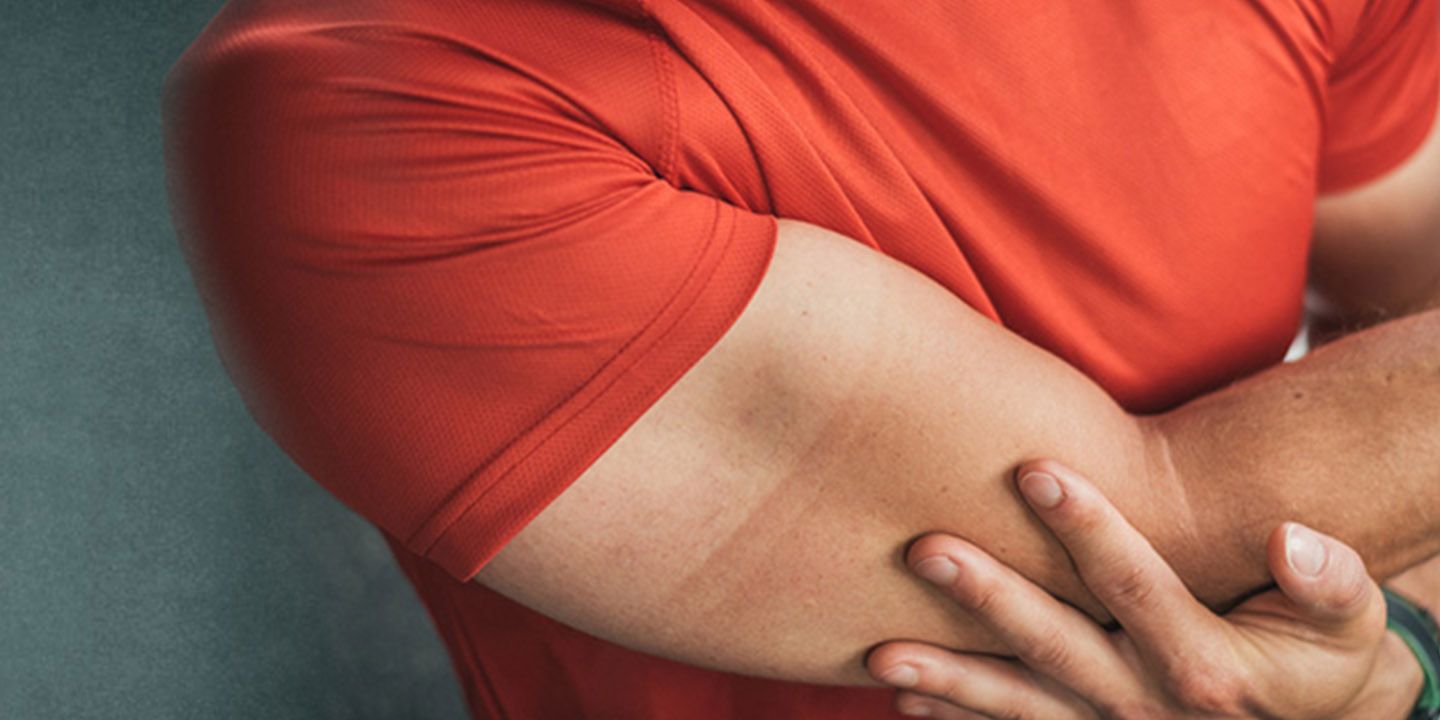
Seborrheic dermatitis is a common skin condition that primarily affects the scalp, though it can also appear on other oily areas of the body. It is often characterised by red, itchy, and flaky skin. While it can be a long term condition, understanding its triggers and management strategies can help individuals maintain healthy skin and reduce discomfort.
In this blog, we will explore the various facets of seborrheic dermatitis, from its initial signs to the ways it can be managed through daily care and lifestyle adjustments. By providing a comprehensive overview, we aim to help you navigate this condition with clarity and confidence.
Maintaining a healthy skin barrier requires a consistent approach. Many people find that their symptoms fluctuate with the seasons or during periods of high pressure. By learning the mechanics of why the skin reacts this way, you can better tailor your environment and habits to support your dermatological health.
What is Seborrheic Dermatitis?
Seborrheic dermatitis is a chronic form of eczema that most frequently develops on the scalp. It is known for causing scaly patches and stubborn dandruff. Beyond the scalp, it can also affect the face, upper chest, back, and other areas where oil glands are most active. It is not contagious, meaning it cannot be passed from person to person, and it is not a sign of poor personal hygiene.
The condition typically follows a pattern of flare-ups and remissions. This means there may be periods where the skin looks clear and periods where symptoms become more pronounced. While it can affect people of all ages, it is most commonly seen in infants and in adults between the ages of 30 and 60.
Understanding the chronic nature of the condition is essential for long term success. It is not something that is usually cured with a single application of a product, but rather something that is managed through ongoing care. This perspective helps in setting realistic expectations for skin health.
Recognising the Symptoms
Common Signs on the Scalp and Skin
The most recognisable symptom of seborrheic dermatitis is the presence of skin flakes, which may appear white or yellowish and oily. These flakes are often referred to as dandruff when they occur on the scalp. However, the condition involves more than just flaking.
Affected areas often become red and inflamed. In some cases, the skin may feel itchy or have a burning sensation. The scales can sometimes form crusts, particularly in infants or in severe adult cases. On darker skin tones, the affected patches may appear lighter or darker than the surrounding skin, or they may look somewhat pinkish rather than bright red.
The sensation associated with the condition can vary. Some individuals experience significant itching that can be quite distracting, while others may only notice the aesthetic changes of the skin. Regardless of the severity, the underlying process of inflammation remains the primary concern to address.
Distribution Across the Body
While the scalp is the most frequent site of involvement, seborrheic dermatitis can appear in several other locations. These are typically areas with a high density of sebaceous glands. On the face, it often appears in the eyebrows, on the eyelids, or around the sides of the nose.
It can also manifest in the folds of the body, such as behind the ears, in the armpits, or in the groin area. When it occurs on the chest or back, it may appear as round or oval-shaped patches that can be mistaken for other skin conditions. Recognising these patterns is a key step in identifying the nature of the skin concern.
When the condition appears in body folds, it is sometimes referred to as intertriginous seborrheic dermatitis. In these areas, the redness may be more prominent than the scaling because the natural moisture in the folds keeps the scales soft. This can sometimes make the diagnosis less obvious than it is on the scalp.
Exploring the Potential Causes
The Role of Malassezia Yeast
While the exact cause of seborrheic dermatitis is not fully understood, researchers believe it is linked to a type of yeast called Malassezia. This yeast lives on the surface of the skin in most healthy adults. It feeds on the sebum produced by the skin's follicles.
In individuals with this condition, the immune system may overreact to the presence of this yeast or its metabolic byproducts. This overreaction leads to inflammation and the rapid shedding of skin cells, which results in the characteristic redness and scaling. It is important to note that the presence of this yeast is normal, but the body's response to it is what varies.
This overreaction is why the condition is considered inflammatory rather than an infection. You are not trying to eliminate the yeast entirely, as it is a natural part of the skin's microbiome. Instead, management often focuses on bringing the population of the yeast back into a healthy balance.
Genetic and Environmental Factors
There is evidence to suggest that genetics play a role in how susceptible an individual is to seborrheic dermatitis. If family members have a history of oily skin or eczema, you may be more likely to develop symptoms. Environmental factors also have a significant impact on the severity of the condition.
Cold, dry weather is a common trigger for flare-ups, as it can strip the skin of moisture and disrupt the skin barrier. Conversely, heat and humidity can increase oil production, which may also aggravate the skin. Finding a balance in skin care throughout the changing seasons is often a necessary part of long term management.
The transition between seasons is a particularly vulnerable time for many. As the heating is turned on in winter, the air indoors becomes very dry, which can aggravate the scalp. In the summer, perspiration can mix with skin oils to create an environment where the yeast thrives more readily.
Risk Factors and Underlying Triggers
The Impact of Stress and Fatigue
Stress is a well known factor that can worsen many inflammatory skin conditions. When the body is under stress, it produces higher levels of certain hormones, such as cortisol, which can influence oil production and the skin's immune response.
Similarly, physical fatigue and a lack of sleep can weaken the body's ability to maintain a healthy skin barrier. Many people notice that their symptoms flare up during particularly busy or demanding periods of their lives. Incorporating relaxation techniques and ensuring adequate rest are often recommended as part of a holistic approach to skin health.
Managing stress is not always simple, but acknowledging its link to skin health can be a motivator. Techniques such as regular exercise, mindfulness, or simply ensuring a consistent sleep schedule can have a noticeable impact on how the skin behaves over time.
Systemic Health and Medications
Certain medical conditions can increase the likelihood of developing severe or persistent symptoms. For example, conditions that affect the nervous system or the immune system are often associated with a higher prevalence of skin issues.
Additionally, some medications may trigger or exacerbate the condition as a side effect. It is always helpful to monitor your skin’s reaction when starting new treatments. If you are managing chronic health conditions, your health insurance provider may offer resources or specialist directories to help you find a dermatologist who can provide tailored guidance on how your systemic health relates to your skin.
It is also worth noting that changes in hormone levels can influence the activity of the sebaceous glands. This is why the condition often appears during puberty or in later adulthood when hormonal shifts are more common. Understanding these systemic connections helps in creating a more comprehensive management strategy.
Managing Seborrheic Dermatitis at Home
Scalp Care and Cleansing
For many, managing seborrheic dermatitis starts with a consistent scalp care routine. The goal is to reduce the buildup of oil and dead skin cells without causing further irritation. Regularly washing the hair with a gentle cleanser can help, but in many cases, specific ingredients are needed to address the yeast and inflammation.
When washing, it is often beneficial to massage the scalp gently to loosen any scales. Allowing the cleanser to sit on the scalp for several minutes before rinsing ensures that the active ingredients have enough time to work. It is usually best to avoid heavy styling products like waxes or oils, as these can trap moisture and yeast against the skin.
The frequency of washing is often a point of trial and error. While some find that daily washing is necessary to keep oil at bay, others may find that washing every other day prevents the scalp from becoming too dry and irritated. Monitoring the skin's response is the best way to determine the ideal frequency.
Gentle Skin Care for the Face and Body
When the condition affects the face or body, the approach must be even more delicate. The skin in these areas is often thinner and more sensitive than the scalp. Using a soap free cleanser can help maintain the skin's natural pH balance and prevent excessive dryness.
Moisturising is also vital, even though the condition is associated with oily skin. A lightweight, non-comedogenic moisturiser can help soothe the skin and protect the barrier. It is important to avoid products with high alcohol content or strong fragrances, as these can sting and increase redness in inflamed areas.
Applying moisturiser to slightly damp skin can help lock in hydration more effectively. For those with seborrheic dermatitis on the face, paying close attention to the creases around the nose and the area between the eyebrows is important, as these are the spots where the condition most frequently persists.
Lifestyle and Preventive Measures
Dietary Considerations
While there is no specific seborrheic dermatitis diet, some individuals find that certain foods influence the health of their skin. Maintaining a balanced diet rich in vitamins and minerals supports overall skin function. Some people choose to focus on anti-inflammatory foods, such as those high in omega-3 fatty acids, to help manage the body's inflammatory response.
Staying hydrated is equally important. Drinking enough water helps the skin maintain its elasticity and barrier function. While dietary changes alone are rarely a cure, they can be a supportive part of a broader management plan that includes topical care and stress management.
It is helpful to keep a diary of flare-ups to see if there is any correlation with specific foods or lifestyle habits. While the evidence is often anecdotal, many people find that reducing their intake of highly processed sugars or dairy can lead to improvements in their skin clarity over time.
Shaving and Grooming Habits
For men, seborrheic dermatitis frequently appears in the beard area or moustache. Facial hair can trap oil and skin cells, providing a breeding ground for yeast. Keeping facial hair well groomed and cleaning the skin beneath it is essential.
If shaving causes irritation, it may be helpful to use a sharp blade and a soothing shaving cream. Some find that maintaining a clean-shaven face helps clear up the condition more quickly, as it allows topical treatments to reach the skin more effectively and reduces the buildup of debris.
If a beard is preferred, using a dedicated beard wash that reaches the skin surface is necessary. After washing, ensuring the beard is thoroughly dried is important, as lingering dampness can encourage the growth of Malassezia in the dense hair.
When to Seek Professional Guidance
Identifying Severe Flare-Ups
While mild cases of seborrheic dermatitis can often be managed with over the counter products and lifestyle changes, there are times when professional help is necessary. If the redness is spreading, the itching is preventing sleep, or the skin appears to be becoming infected, a consultation with a healthcare professional is advised.
Signs of a secondary bacterial infection include increased pain, swelling, or the presence of pus. A specialist can provide a definitive diagnosis, as the condition can sometimes look like psoriasis, rosacea, or allergic contact dermatitis. Obtaining an accurate diagnosis ensures that the management strategy is appropriate for the specific condition.
Healthcare professionals may also look at the history of your symptoms and any family history of skin conditions. This clinical evaluation is the most reliable way to rule out other issues that might require a completely different approach to treatment.
Long Term Monitoring
Because this is a chronic condition, long term monitoring is often required. A healthcare professional can help you develop a maintenance plan to prevent frequent relapses. This might involve using specific treatments once or twice a week even when the skin looks clear.
They can also provide guidance on how to adjust your routine as you age or as your environment changes. Building a relationship with a dermatologist or a general practitioner allows for a more personalised approach to skin health over the years.
Regular check-ins are particularly useful if your current management plan seems to be losing its effectiveness. Over time, the skin can become accustomed to certain ingredients, and a professional can suggest alternatives to keep the condition under control.
Understanding the Emotional Impact
Coping with Visible Skin Conditions
Living with a visible skin condition can have an emotional and psychological impact. Because seborrheic dermatitis often affects the face and scalp, it can lead to feelings of self-consciousness or embarrassment in social or professional settings. It is important to acknowledge these feelings and understand that they are a common part of the experience.
Seeking support through educational resources or community groups can help individuals feel less isolated. Understanding the science behind the condition, knowing that it is a biological response and not a result of lifestyle choices, can also help in managing the emotional burden.
Finding ways to explain the condition to others can also reduce social anxiety. Simply knowing that millions of people worldwide manage the same issue can provide a sense of perspective and reduce the stigma an individual might feel about their own skin.
Maintaining a Positive Outlook
Focusing on what can be controlled, such as a daily skin care routine and stress reduction, can provide a sense of empowerment. Many people find that once they establish a management routine that works for them, the condition becomes a minor inconvenience rather than a major disruption to their lives.
Remember that skin health is a journey, and what works for one person may not work for another. Patience and consistency are key when trying new management strategies. With the right information and a proactive approach, most people can successfully keep their symptoms under control.
Developing a toolkit of strategies for when a flare-up occurs can help you feel more prepared. This might include a specific cooling lotion for itchiness or a preferred gentle cleanser that you know does not cause irritation. Having these resources ready can lower the stress associated with a sudden change in skin appearance.
Conclusion
The journey of managing seborrheic dermatitis is one of understanding and adaptation. By recognising the symptoms early and responding with gentle, consistent care, the impact of the condition can be significantly minimised. While it requires ongoing attention, the combination of appropriate cleansing, lifestyle adjustments, and professional support provides a strong foundation for healthy skin. Education remains the most powerful tool in navigating this condition, allowing individuals to make informed choices that promote comfort and confidence in their daily lives.
People Also Ask
Is seborrheic dermatitis caused by poor hygiene?
No, it is not caused by a lack of cleanliness. It is a biological reaction involving natural skin oils, a common yeast, and the body's immune response. While regular washing helps manage oil buildup, the condition itself is not an indicator of personal hygiene.
Can infants get seborrheic dermatitis?
Yes, in infants, the condition is commonly called cradle cap. It typically appears as thick, yellow, crusty scales on the scalp. It is generally harmless and often resolves on its own within the first year of life, though gentle cleansing can help manage the crusting.
Does the condition cause permanent hair loss?
In most cases, it does not cause permanent hair loss. However, intense scratching or a very inflamed scalp can lead to temporary thinning or breakage. Once the inflammation is managed and the scalp health improves, the hair typically grows back normally.
How is it different from scalp psoriasis?
While both cause redness and scaling, psoriasis scales are typically thicker, drier, and more silvery in appearance. Psoriasis is also more likely to extend beyond the hairline. A healthcare professional can distinguish between the two through a physical examination.
Can diet alone cure the condition?
There is no scientific evidence that a specific diet can cure the condition. However, a healthy diet supports the immune system and skin health, which may help reduce the frequency or severity of flare-ups for some individuals.
Is it triggered by wearing hats?
Hats do not cause the condition, but they can create a warm, humid environment that may encourage the growth of Malassezia yeast. If you are prone to flare-ups, it is helpful to wear breathable fabrics and ensure your headgear is kept clean.
Can sun exposure help improve symptoms?
Some people find that a small amount of sunlight improves their symptoms, as UV light may have an effect on the yeast. However, excessive sun exposure can lead to skin damage and irritation, so it should be approached with caution and appropriate sun protection.
Is seborrheic dermatitis a lifelong condition?
For many adults, it is a chronic condition that may recur throughout their lives. However, it can often be managed so effectively that it remains in remission for long periods. It is rarely a constant issue if a proper management routine is followed.
Can stress really make my skin worse?
Yes, stress is a common trigger. It can influence the nervous system and hormonal balance, which in turn can increase oil production and inflammation. Many people notice a direct link between high stress periods and the worsening of their skin symptoms.
Should I exfoliate the scaly patches?
Harsh scrubbing or physical exfoliation can irritate the skin and worsen inflammation. It is usually better to use gentle chemical exfoliants recommended by a professional or to gently massage the area with a soft cloth during cleansing to loosen scales.
Get right coverage, right premium and the right protection instantly.
 By clicking, I agree to Niva Bupa
 You may also like


Popular Searches
Health Insurance - Health Insurance | Best Family Health Insurance | Best Health Insurance For Senior Citizens In India | Health Insurance With Opd Cover | Mediclaim Insurance | Critical Illness Insurance | Personal Accident Insurance | Mediclaim Policy | Individual Health Insurance | Maternity Insurance | Best Health Insurance company | NRI Health Insurance
Health Insurance Schemes - PMMVY Login | PMJJBY Policy Status | Swasthya Sathi Card | PMSBY | PMJJBY | Ayushman Card | PMMVY 2.0 | Ayushman Vay Vandana Card | PMMVY NIC IN रजिस्ट्रेशन | PMMVY 2.0 लॉगिन
Travel Insurance Plans - Travel Insurance | International Travel Insurance | Student Travel Insurance | Travel Insurance USA | Travel Insurance Canada | Travel Insurance Thailand | Travel Insurance Germany | Travel Insurance Dubai | Travel Insurance Bali | Travel Insurance Australia | Travel Insurance Schengen | Travel Insurance Singapore | Travel Insurance UK | Travel Insurance Vietnam | Travel Insurance Japan | Travel Insurance Spain | Travel Insurance Asia | Travel Insurance Netherlands | Travel Insurance Turkey | Travel Insurance Ireland | Travel Insurance Phillipines | Travel Insurace Italy | Travel Insurance France | Travel Insurance China | Travel Insurance Georgia | Travel Insurance South Africa | Travel Insurance Maldives | Travel Insurance Portugal | Travel Insurance Malaysia | Travel Insurance Qatar | Travel Insurance Poland | Travel Insurance Greece | Travel Insurance New zealand | Travel Insurance Saudi Arabia | Travel Insurance Sri Lanka
Become an Agent - Insurance Agent | IRDA Certificate Download | IRDA Exam Syllabus | IRDA exam fee | Paise Kaise Kamaye | Ghar Baithe Paise Kaise Kamaye
Top Hospitals - Best Hospitals in Gurgaon
Others - Ayushman Bharat | Gst Refund for NRI on Health Insurance Premium
Health & Wellness - शिलाजीत के फायदे हिंदी | Weight Gain Diet in Hindi | Sat Isabgol Uses In Hindi | Aloe Vera Juice Benefits in Hindi | Dragon Fruit Benefits in Hindi | Akal Daad in Hindi | Acidity Home Remedies in Hindi | Nikat Drishti Dosh in Hindi | Yoga Benefits in Hindi | Laung Khane ke Fayde in Hindi | Leukoplakia in Hindi | Protien in 100g Paneer | Benefits of Rice Water For Skin | B12 Deficiency Symptoms in Hindi | Fibre Foods in Hindi | Chronic Disease Meaning in Hindi | Vitamin D Foods in Hindi | Blood Urea in Hindi | Beetroot Uses Good for Health
Calculator - BMI Calculator | Pregnancy Calculator | Pregnancy Calendar Based on Conception Date | Pregnancy Conception Date Calculator | Last Menstrual Period Calculator | BMR Calculator | GFR Calculator | Ovulation Calculator



www.nivabupa.com

+91 11 30902010

1860-500-8888

CIN: L66000DL2008PLC182918
IRDAI Registration No. 145

Corporate Office: 3rd Floor, Capital Cyberscape, Sector 59, Gurgaon
Registered Office: C-98, First Floor, Lajpat Nagar, Part 1, Delhi-110024, India


