

Sinus Headaches: Causes, Symptoms & Effective Relief Options
9 September, 2025
2 Shares
459 Reads
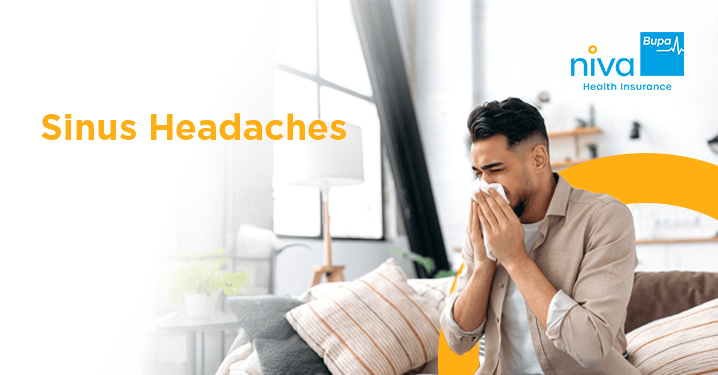
Headaches are something almost everyone experiences, but not all headaches are the same. A sinus headache is one of the most uncomfortable types because it is linked to issues in your sinuses, the hollow cavities around the eyes, nose, and forehead. When these cavities get blocked or inflamed, the result is a dull, throbbing pain known as a sinus pressure headache.
Many people confuse sinus headaches with migraine headaches or tension headaches, but the treatment and remedies can be quite different. To effectively deal with them, it’s important to understand the sinus headache causes, identify the symptoms, and explore both natural and medical sinus headache remedies. This article dives deep into everything you need to know, including prevention strategies and home remedies for sinus headache relief.
What is a Sinus Headache?
A sinus headache is pain caused by inflammation or congestion in the sinuses. The sinuses are small, air-filled spaces located in the skull behind the forehead, cheeks, and eyes. Their main function is to produce mucus that traps dust and germs, protecting your respiratory system. However, when the lining of these sinuses becomes inflamed, often due to allergies, infections, or environmental irritants, the mucus fails to drain properly. This blockage creates a buildup of pressure, leading to pain that radiates across the face and head.
Unlike a migraine, which is more neurological in nature, a sinus headache typically presents with facial pressure, congestion, and nasal discharge. Because of these overlapping symptoms, people often misdiagnose themselves. Identifying whether you are dealing with a sinus-related issue or a different headache type is the first step to finding lasting relief.
Sinus Headache Causes
There isn’t just one reason why a sinus headache develops. Several factors can lead to inflammation, swelling, or blockage of the sinuses, all of which result in pain and pressure. Here are the most common sinus headache causes explained in detail:
Sinus Infections (Sinusitis)
One of the primary culprits behind sinus headaches is sinusitis, which is the inflammation of the sinus lining. When an infection develops, the lining swells, trapping mucus inside. This creates pressure in the sinus cavities, producing a throbbing headache that worsens with movement, especially when bending forward.
Allergies
Allergic reactions, whether seasonal (like pollen) or environmental (like dust mites and pet dander), can also cause sinus inflammation. The allergic response makes the nasal passages swell, leading to poor drainage. When this continues over time, the result is frequent sinus pressure headaches.
Common Cold or Flu
The common cold and influenza both cause temporary swelling and mucus buildup in the nasal passages. This often leads to congestion, which in turn triggers headaches. For most people, these headaches clear up once the infection subsides, but they can still be quite intense while they last.
Structural Issues
Not everyone has perfectly shaped nasal passages. A deviated septum (when the wall between the nostrils is crooked) or nasal polyps (noncancerous growths) can obstruct airflow and drainage. These structural problems make individuals more prone to recurring sinus infections and headaches.
Environmental Triggers
External conditions also play a role. Sudden weather changes, high pollution, or exposure to dry air can irritate the sinuses. For example, people often experience sinus headaches when travelling to high altitudes because the air pressure changes rapidly, creating a pressure imbalance in the sinuses.
Common Symptoms of Sinus Headaches
Identifying the signs of a sinus headache helps distinguish it from other types of headaches. Below are the most common symptoms explained in detail:
Facial Pain and Pressure
The hallmark symptom is a deep, constant pain or pressure around the cheeks, forehead, eyes, and nose. This pain typically intensifies when you bend forward, move suddenly, or lie down flat.
Nasal Congestion
A blocked or stuffy nose almost always accompanies sinus headaches. The congestion makes breathing through the nose difficult, adding to the feeling of pressure in the face.
Thick Nasal Discharge
If the headache is caused by sinusitis, you may notice thick, yellow, or green nasal mucus. This discharge indicates infection and often coincides with facial tenderness and swelling.
Reduced Sense of Smell
Because the nasal passages are blocked, many people lose their ability to smell or taste food properly during a sinus headache episode.
Tenderness in the Face
Touching areas around the eyes, nose bridge, or upper cheeks may cause discomfort. This tenderness is due to the inflamed and swollen sinuses beneath the skin.
Associated Symptoms
Some people also experience fatigue, fever, ear pain, or a sore throat when the headache is linked to an infection. These additional symptoms help differentiate sinus headaches from migraines, which usually don’t cause fever or thick nasal discharge.
How to Differentiate a Sinus Headache from a Migraine
It’s easy to confuse sinus headaches with migraines because both involve facial pain and pressure. However, migraines are neurological and may not involve the sinuses at all. A sinus pressure headache usually comes with congestion, facial swelling, and nasal discharge. Migraines, on the other hand, are often one-sided, throbbing, and accompanied by nausea, vomiting, and sensitivity to light or sound.
If you find that your headaches often include nasal congestion but no discharge, there’s a chance it might actually be a migraine misdiagnosed as a sinus headache. Knowing the difference ensures you choose the right sinus headache remedies.
Effective Sinus Headache Remedies
Finding relief is the first priority when you’re in pain. Fortunately, there are several proven sinus headache remedies that work by reducing inflammation, improving drainage, and easing pressure in the sinus cavities.
Rest and Hydration
When the body is fighting infection or inflammation, rest becomes essential. Adequate sleep boosts your immune system, while drinking enough fluids keeps mucus thin and easier to drain. Staying hydrated also prevents the sinus passages from drying out.
Warm Compress
Applying a warm compress to the face, particularly over the nose and forehead, helps open the sinus passages and relieve pressure. The heat increases circulation, which reduces inflammation and loosens mucus buildup.
Steam Inhalation
Breathing in steam from a bowl of hot water or during a hot shower can help moisten and clear blocked nasal passages. This is one of the most widely used home remedies for sinus headaches, as it provides almost immediate relief from pressure.
Saline Nasal Rinse
A saline rinse cleanses the nasal passages, flushing out allergens, mucus, and irritants. Regular use reduces swelling, restores proper airflow, and helps prevent future sinus blockages.
Humidifier Use
Dry indoor air can worsen sinus pain. Using a humidifier maintains moisture levels in your home, preventing sinus dryness and irritation that can lead to headaches.
Sleeping Position
Elevating your head while sleeping encourages mucus drainage and reduces nighttime congestion. This simple adjustment can make a big difference for people who frequently wake up with sinus pressure headaches.
Home Remedies for Sinus Headache
If you prefer natural methods, several home remedies for sinus headaches can provide safe and effective relief without relying solely on medications.
Ginger Tea
Ginger contains compounds with anti-inflammatory and antioxidant properties. Drinking ginger tea can reduce swelling in the sinus passages while also easing nausea or discomfort that sometimes accompanies sinus headaches.
Turmeric with Warm Milk
Turmeric has curcumin, which acts as a natural anti-inflammatory agent. Consuming turmeric milk regularly not only strengthens your immune system but also helps in managing chronic sinus inflammation.
Peppermint Oil Inhalation
The menthol in peppermint oil helps open nasal passages and relieve sinus pressure. Adding a few drops of peppermint oil to a bowl of hot water and inhaling the steam can provide soothing relief.
Spicy Foods
Spices such as chilli, garlic, and horseradish can naturally thin mucus. Eating spicy meals during a sinus headache episode can clear nasal passages and make breathing easier.
Herbal Teas and Warm Fluids
Chamomile, green tea, or simple warm water with honey can soothe the throat, hydrate the body, and keep mucus thin. These fluids reduce irritation and promote faster recovery.
These sinus headache remedies are most effective when used consistently and combined with preventive measures.
Preventing Sinus Headaches
While remedies are helpful, prevention is always better. By adopting certain lifestyle changes, you can significantly reduce the frequency and intensity of sinus headaches.
Managing Allergies
Since allergies are a major cause of sinus swelling, keeping them under control is essential. Regular cleaning, using air filters, and avoiding exposure to allergens like pollen and dust can prevent sinus blockages.
Avoiding Environmental Triggers
Pollution, cigarette smoke, and sudden weather shifts can irritate the nasal passages. Limiting exposure to these triggers goes a long way in preventing recurring headaches.
Staying Hydrated
Dehydration thickens mucus, making it difficult to drain. Drinking plenty of water keeps mucus thin and prevents blockages that lead to headaches.
Strengthening the Immune System
A diet rich in fruits, vegetables, and lean proteins strengthens your immune defences, helping your body fight infections that cause sinusitis. Exercise and proper sleep are equally important.
Maintaining Indoor Humidity
Using a humidifier to keep humidity levels balanced between 40–50% prevents dryness in the nasal passages and reduces the risk of sinus irritation.
When to Seek Medical Help
While most sinus headache remedies and home remedies for sinus headache provide adequate relief, sometimes professional medical attention is necessary. If your sinus headache lasts longer than 10 days, is extremely severe, or comes with high fever and vision changes, it’s time to consult a doctor. Frequent headaches that don’t improve with home treatment may indicate a more serious condition that requires medical evaluation.
Final Thoughts
A sinus headache can be exhausting, especially when it disrupts your daily life. By understanding the sinus headache causes, recognising the symptoms, and trying effective treatments, you can manage the condition better. From warm compresses and steam inhalation to natural home remedies for sinus headaches, there are multiple safe ways to find relief.
With preventive care, like avoiding triggers, staying hydrated, and maintaining good sinus health, you can minimise the frequency of sinus pressure headaches. Taking a proactive approach will help you live more comfortably and reduce the burden of recurring headaches.
If you want an extra layer of financial protection while safeguarding your health, you can also consider investing in comprehensive health insurance plans. We offer coverage options that can support you during times of illness and ensure you have access to quality treatment whenever needed.
People Also Ask (FAQs)
1. What causes a sinus headache?
A sinus headache is usually caused by inflammation or infection in the sinuses. When the sinus cavities become blocked due to allergies, colds, or infections, pressure builds up, leading to pain and discomfort in the face, forehead, or around the eyes.
2. How do I know if my headache is from sinuses and not a migraine?
Sinus headaches often come with additional symptoms such as nasal congestion, facial pressure, a runny nose, and pain that worsens when you bend forward. Migraines, on the other hand, are more likely to be accompanied by nausea, sensitivity to light, and throbbing pain on one side of the head.
3. What are the common symptoms of a sinus headache?
Typical symptoms include facial pain or pressure, a stuffy or runny nose, swelling around the eyes, forehead pain, and sometimes fever. The pain often intensifies in the morning or when you lean forward.
4. How can I get relief from sinus headaches at home?
Home remedies include using a humidifier, inhaling steam, staying hydrated, applying warm compresses to the face, and rinsing your nasal passages with saline solutions. Over-the-counter pain relievers and decongestants may also help.
5. When should I see a doctor for a sinus headache?
If your sinus headache lasts for more than a week, worsens despite home remedies, or is accompanied by high fever, vision changes, or severe swelling around the eyes, you should consult a doctor. Persistent or severe symptoms may indicate a sinus infection that requires medical treatment.
Get right coverage, right premium and the right protection instantly.
 By clicking, I agree to Niva Bupa
 You may also like


Health Insurance - Health Insurance | Best Family Health Insurance | Best Health Insurance For Senior Citizens In India | Health Insurance With Opd Cover | Mediclaim Insurance | Critical Illness Insurance | Personal Accident Insurance | Mediclaim Policy | Individual Health Insurance | Maternity Insurance | Best Health Insurance company | NRI Health Insurance
Health Insurance Schemes - PMMVY Login | PMJJBY Policy Status | Swasthya Sathi Card | PMSBY | PMJJBY | Ayushman Card | PMMVY 2.0 | Ayushman Vay Vandana Card | PMMVY NIC IN रजिस्ट्रेशन | PMMVY 2.0 लॉगिन
Travel Insurance Plans - Travel Insurance | International Travel Insurance | Student Travel Insurance | Travel Insurance USA | Travel Insurance Canada | Travel Insurance Thailand | Travel Insurance Germany | Travel Insurance Dubai | Travel Insurance Bali | Travel Insurance Australia | Travel Insurance Schengen | Travel Insurance Singapore | Travel Insurance UK | Travel Insurance Vietnam | Travel Insurance Japan | Travel Insurance Spain | Travel Insurance Asia | Travel Insurance Netherlands | Travel Insurance Turkey | Travel Insurance Ireland | Travel Insurance Philippines | Travel Insurance Italy | Travel Insurance France | Travel Insurance China | Travel Insurance Georgia | Travel Insurance South Africa | Travel Insurance Maldives | Travel Insurance Portugal | Travel Insurance Malaysia | Travel Insurance Qatar | Travel Insurance Poland | Travel Insurance Greece | Travel Insurance New zealand | Travel Insurance Saudi Arabia | Travel Insurance Sri Lanka
Become an Agent - Insurance Agent
Top Hospitals - Best Hospitals in Gurgaon
Others - Ayushman Bharat | Gst Refund for NRI on Health Insurance Premium
Health & Wellness - शिलाजीत के फायदे हिंदी | Weight Gain Diet in Hindi | Sat Isabgol Uses In Hindi | Aloe Vera Juice Benefits in Hindi | Dragon Fruit Benefits in Hindi | Akal Daad in Hindi | Acidity Home Remedies in Hindi | Nikat Drishti Dosh in Hindi | Yoga Benefits in Hindi | Laung Khane ke Fayde in Hindi | Leukoplakia in Hindi | Protein in 100g Paneer | Benefits of Rice Water For Skin | B12 Deficiency Symptoms in Hindi | Fibre Foods in Hindi | Chronic Disease Meaning in Hindi | Vitamin D Foods in Hindi | Blood Urea in Hindi | Beetroot Uses Good for Health
Calculator - BMI Calculator | Pregnancy Calculator | Pregnancy Calendar Based on Conception Date | Pregnancy Conception Date Calculator | Last Menstrual Period Calculator | BMR Calculator | GFR Calculator | Ovulation Calculator



www.nivabupa.com

+91 11 30902010

1860-500-8888

CIN: L66000DL2008PLC182918
IRDAI Registration No. 145

Corporate Office: 3rd Floor, Capital Cyberscape, Sector 59, Gurgaon
Registered Office: C-98, First Floor, Lajpat Nagar, Part 1, Delhi-110024, India


