

Skin Allergies from Pollen Exposure
8 April, 2026
9 Shares
203 Reads
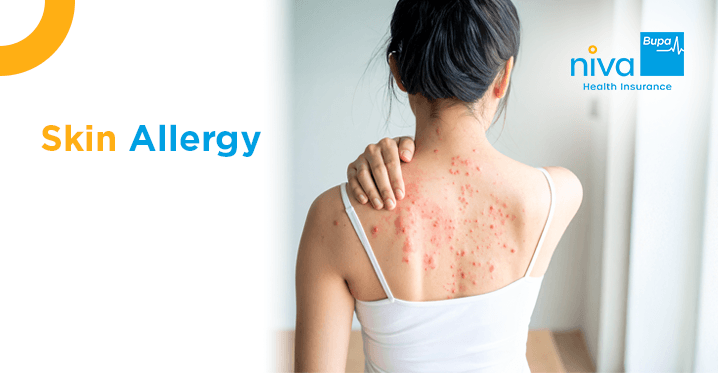
Spring pollen is often associated with sneezing, watery eyes, and nasal congestion. However, pollen particles can also affect the skin when they settle on exposed areas such as the face, neck, or arms. For some individuals, this contact may lead to itching, redness, or mild irritation after spending time outdoors. These reactions can sometimes appear even when respiratory symptoms are minimal.
Not all pollen behaves in the same way. Tree pollen and grass pollen differ in their seasonal timing, spread, and typical exposure patterns. Understanding how these two pollen types interact with the skin can help explain why irritation appears at certain times of the year. Recognising these patterns also helps individuals identify early pollen sensitivity symptoms and take steps to manage exposure during peak pollen seasons.
How Can Pollen Exposure Affect the Skin?
The skin acts as the body’s protective barrier against environmental irritants. When pollen particles settle on exposed areas such as the face, neck, or arms, they may interact with the immune system, particularly in individuals who are prone to allergies.
Some ways pollen exposure may affect the skin include:
- Immune response: The body may recognise pollen proteins as foreign substances and release histamine or other inflammatory chemicals.
- Skin irritation: This reaction may appear as redness, itching, or slightly raised patches on exposed areas.
- Sensitive skin reactions: Individuals with sensitive skin may sometimes experience temporary contact dermatitis after prolonged outdoor exposure.
- Environmental influence: Warm temperatures, low humidity, and windy weather can allow pollen to remain airborne for longer periods.
- Seasonal patterns: Since pollen exposure changes from day to day, some individuals may notice pollen sensitivity symptoms during specific seasons.
Tree Pollen and Its Seasonal Impact
Tree pollination often begins early in the year, making it one of the first sources of airborne allergens during spring. Several species, such as oak, birch, cedar, elm, and maple, release fine particles into the air as part of their reproductive cycle. As temperatures rise, these particles become more present in outdoor environments. Increased exposure during this period may influence allergic responses in sensitive individuals.
These microscopic grains are lightweight and easily carried by wind currents over long distances. As they travel, they may settle on surfaces such as sidewalks, vehicles, outdoor furniture, or exposed skin. Sensitive areas, including the cheeks, eyelids, and neck, may sometimes show mild irritation after outdoor exposure. For some individuals, these seasonal patterns may contribute to the appearance of pollen sensitivity symptoms during this time of the year.
Grass Pollen and Its Exposure Patterns
Grass pollen typically becomes more common later in the allergy season. In many regions, pollen levels begin rising during late spring and may continue through early summer. Compared with tree pollen, exposure to grass pollen often occurs closer to ground level.
Common exposure patterns include:
- Grass pollen levels usually increase during late spring and early summer.
- Exposure often occurs during outdoor activities such as walking through fields, gardening, or playing sports on grassy surfaces.
- Direct contact with grass, including sitting on lawns or lying on grassy areas, may expose the skin to pollen particles.
- Handling freshly cut grass or mowing lawns can also increase pollen contact with the skin.
- People who spend more time outdoors during warmer months may notice seasonal changes in allergic reactions.
For some individuals, contact with grass pollen may lead to mild skin irritation such as temporary redness or itching. These reactions may contribute to pollen sensitivity symptoms, particularly during periods when grass pollen levels are high.
Key Differences Between Tree and Grass Pollen
Tree pollen and grass pollen serve similar biological purposes in plant reproduction, but they differ in their seasonal patterns, spread, and common exposure settings. Understanding these distinctions can help explain how pollen exposure varies across the year and why allergic reactions may appear during different seasons.
Recognising Skin Reactions Linked to Pollen
Skin reactions caused by pollen exposure are usually mild and temporary. However, recognising common signs can help individuals understand when environmental allergens may be contributing to irritation.
Some typical skin-related reactions include:
- Mild itching on exposed skin areas
- Temporary redness on the face or neck
- Slight irritation after outdoor activities
- Small areas of dry or sensitive skin
These reactions often appear after prolonged outdoor exposure during high pollen days. In many cases, the symptoms improve once pollen particles are removed from the skin.
For individuals with seasonal allergies, these skin reactions may appear alongside respiratory signs such as sneezing or nasal congestion. Observing these combined reactions can help identify patterns associated with pollen sensitivity symptoms during peak pollen periods.
Identifying Pollen Allergies Through Medical Evaluation
When skin irritation or seasonal allergy symptoms appear repeatedly during certain months, healthcare providers may evaluate possible environmental allergies. The process usually begins with reviewing a person’s medical history and identifying patterns in symptoms that occur during specific seasons. Observing when these reactions appear can help determine whether pollen exposure may be a contributing factor.
Healthcare professionals may then use tests such as skin prick testing or blood tests to assess how the immune system responds to particular allergens. These tests help identify whether the body reacts to certain pollen types, such as tree or grass pollen. Understanding the trigger allows doctors to better interpret pollen sensitivity symptoms and recommend suitable management approaches.
Practical Ways to Reduce Pollen Exposure
Although pollen cannot be completely avoided, certain daily habits can help reduce direct contact with pollen particles.
Some commonly recommended steps include:
- Washing exposed skin after returning indoors
- Changing clothes after outdoor activities
- Showering to remove pollen from hair and skin
- Checking local pollen forecasts before spending extended time outside
Weather conditions can also influence pollen levels. Windy and dry days often increase pollen concentration in the air, while rainfall may temporarily reduce airborne pollen.
These preventive practices may help lessen the severity of reactions during peak pollen periods for people with seasonal allergies.
When Should Skin Reactions From Pollen Exposure Be Evaluated?
Mild skin irritation after environmental exposure is relatively common and often improves once pollen particles are removed from the skin. However, if skin reactions appear repeatedly during particular seasons or persist for longer periods, consulting a healthcare professional may help identify the cause. Recognising these patterns can provide useful insight into whether pollen exposure may be contributing to the irritation.
Medical evaluation may be useful when symptoms occur consistently during the same months each year or begin to affect daily comfort. During the consultation, healthcare providers may review symptom patterns, possible environmental triggers, and personal allergy history. Based on this assessment, they may suggest suitable management approaches such as antihistamines, soothing topical treatments, or further allergy testing if required.
Conclusion
Tree and grass pollen are natural components of plant reproduction, yet they can influence allergic reactions in individuals whose immune systems respond to pollen proteins. When pollen particles settle on exposed skin, they may cause temporary irritation, itching, or mild redness, sometimes alongside respiratory allergy reactions. Understanding how different pollen types interact with the skin can help individuals recognise potential triggers during allergy seasons.
Awareness of seasonal pollen patterns also helps individuals identify pollen sensitivity symptoms and take practical steps to reduce exposure during peak periods. For individuals who frequently travel or live abroad, access to healthcare across regions can also be an important consideration. In such situations, having appropriate international medical coverage, such as Niva Bupa’s NRI health insurance, may help support continuity of care and easier access to medical consultations when managing health needs in different countries.
FAQs
1. Can pollen cause skin irritation without affecting breathing?
Yes. Pollen particles may trigger localised skin irritation when they settle on exposed areas of the body, even if respiratory symptoms are not present.
2. Which season usually has the highest pollen levels?
Pollen levels vary depending on plant types. Tree pollen often peaks in early spring, while grass pollen typically becomes more common during late spring and early summer.
3. Why does skin itch after sitting on grass?
Grass surfaces may contain pollen particles that come into contact with the skin. This contact can lead to temporary irritation or itching in individuals who are sensitive to grass pollen.
4. Are pollen-related skin reactions long-lasting?
Most skin reactions caused by pollen exposure are temporary and improve after washing the affected area and reducing exposure.
5. How can someone track pollen levels in their area?
Many weather services and environmental monitoring agencies provide daily pollen forecasts that help individuals anticipate periods of higher pollen exposure.
Get right coverage, right premium and the right protection instantly.
 By clicking, I agree to Niva Bupa
 You may also like


Popular Searches
Health Insurance - Health Insurance | Best Family Health Insurance | Best Health Insurance For Senior Citizens In India | Health Insurance With Opd Cover | Mediclaim Insurance | Critical Illness Insurance | Personal Accident Insurance | Mediclaim Policy | Individual Health Insurance | Maternity Insurance | Best Health Insurance company | NRI Health Insurance
Health Insurance Schemes - PMMVY Login | PMJJBY Policy Status | Swasthya Sathi Card | PMSBY | PMJJBY | Ayushman Card | PMMVY 2.0 | Ayushman Vay Vandana Card | PMMVY NIC IN रजिस्ट्रेशन | PMMVY 2.0 लॉगिन
Travel Insurance Plans - Travel Insurance | International Travel Insurance | Student Travel Insurance | Travel Insurance USA | Travel Insurance Canada | Travel Insurance Thailand | Travel Insurance Germany | Travel Insurance Dubai | Travel Insurance Bali | Travel Insurance Australia | Travel Insurance Schengen | Travel Insurance Singapore | Travel Insurance UK | Travel Insurance Vietnam | Travel Insurance Japan | Travel Insurance Spain | Travel Insurance Asia | Travel Insurance Netherlands | Travel Insurance Turkey | Travel Insurance Ireland | Travel Insurance Phillipines | Travel Insurace Italy | Travel Insurance France | Travel Insurance China | Travel Insurance Georgia | Travel Insurance South Africa | Travel Insurance Maldives | Travel Insurance Portugal | Travel Insurance Malaysia | Travel Insurance Qatar | Travel Insurance Poland | Travel Insurance Greece | Travel Insurance New zealand | Travel Insurance Saudi Arabia | Travel Insurance Sri Lanka
Become an Agent - Insurance Agent | IRDA Certificate Download | IRDA Exam Syllabus | IRDA exam fee | Paise Kaise Kamaye | Ghar Baithe Paise Kaise Kamaye
Top Hospitals - Best Hospitals in Gurgaon
Others - Ayushman Bharat | Gst Refund for NRI on Health Insurance Premium
Health & Wellness - शिलाजीत के फायदे हिंदी | Weight Gain Diet in Hindi | Sat Isabgol Uses In Hindi | Aloe Vera Juice Benefits in Hindi | Dragon Fruit Benefits in Hindi | Akal Daad in Hindi | Acidity Home Remedies in Hindi | Nikat Drishti Dosh in Hindi | Yoga Benefits in Hindi | Laung Khane ke Fayde in Hindi | Leukoplakia in Hindi | Protien in 100g Paneer | Benefits of Rice Water For Skin | B12 Deficiency Symptoms in Hindi | Fibre Foods in Hindi | Chronic Disease Meaning in Hindi | Vitamin D Foods in Hindi | Blood Urea in Hindi | Beetroot Uses Good for Health
Calculator - BMI Calculator | Pregnancy Calculator | Pregnancy Calendar Based on Conception Date | Pregnancy Conception Date Calculator | Last Menstrual Period Calculator | BMR Calculator | GFR Calculator | Ovulation Calculator



www.nivabupa.com

+91 11 30902010

1860-500-8888

CIN: L66000DL2008PLC182918
IRDAI Registration No. 145

Corporate Office: 3rd Floor, Capital Cyberscape, Sector 59, Gurgaon
Registered Office: C-98, First Floor, Lajpat Nagar, Part 1, Delhi-110024, India


