

What is pulmonary hypertension: Symptoms, Causes, and Treatment Options
18 September, 2024
9 Shares
760 Reads
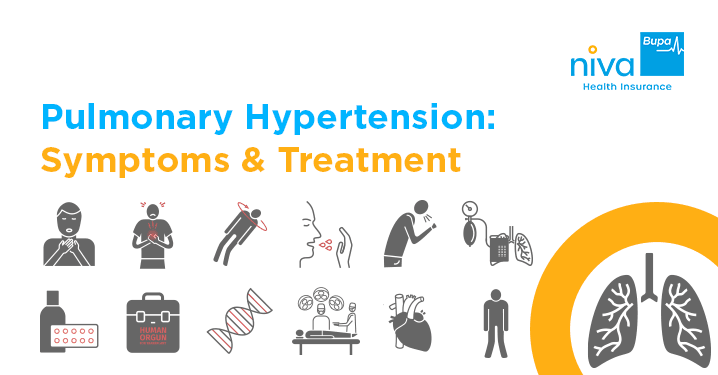
Pulmonary hypertension (PH) is a condition characterised by elevated blood pressure in the arteries of the lungs. This serious and progressive disease can significantly impact the quality of life and lead to severe complications if left untreated. Understanding the symptoms, causes, and treatment options for pulmonary hypertension is crucial for early diagnosis and effective management.
This blog delves into the essential aspects of PH to provide a comprehensive overview.
What is Pulmonary Hypertension?
Pulmonary hypertension ICD 10 is defined by high blood pressure in the pulmonary arteries, which are the vessels responsible for carrying blood from the heart to the lungs. Unlike systemic hypertension, which affects blood pressure throughout the body, PH specifically impacts the lungs and the right side of the heart. The condition is classified under the ICD-10 code I27, which includes various forms of PH, each with unique underlying causes and mechanisms.
Types of Pulmonary Hypertension
PH can be categorised into five major groups based on its causes and characteristics:
- Pulmonary Arterial Hypertension (PAH): This type is caused by the narrowing or stiffening of the pulmonary arteries, leading to increased resistance and pressure.
- PH due to Left Heart Disease: Conditions such as left ventricular systolic or diastolic dysfunction and valve disease can lead to PH.
- PH due to Lung Diseases or Hypoxia: Chronic obstructive pulmonary disease (COPD), interstitial lung disease, and other lung conditions can cause PH.
- Chronic Thromboembolic Pulmonary Hypertension (CTEPH): This form results from recurrent blood clots in the lungs.
- PH with Unclear or Multifactorial Mechanisms: This includes a variety of other causes that do not fit neatly into the other categories.
Pulmonary Hypertension Symptoms
Early detection of PH symptoms is vital for effective treatment and management. Unfortunately, the symptoms of PH are often nonspecific and can be mistaken for other conditions, making early diagnosis challenging. Common symptoms include:
- Shortness of Breath: Often exacerbated by physical activity and can become severe over time.
- Fatigue: Persistent tiredness and weakness.
- Chest Pain: Discomfort or pain in the chest, often described as pressure or tightness.
- Dizziness or Fainting: Lightheadedness or episodes of fainting, especially during exertion.
- Swelling: Edema in the ankles, legs, and abdomen due to fluid retention.
- Palpitations: Noticeable heartbeats or a racing heart.
As the disease progresses, symptoms can worsen, significantly affecting daily activities and overall quality of life. If you experience any of these symptoms, it is crucial to seek medical evaluation promptly. Ensure your health by choosing the best medical insurance plans available.
Pulmonary Hypertension Causes and Risk Factors
Understanding the underlying causes of PH is key to prevention and targeted treatment. PH can result from a variety of conditions, including:
- Genetic Factors: A family history of PH or genetic mutations can increase the risk.
- Connective Tissue Diseases: Conditions such as scleroderma and lupus are linked to PAH.
- Heart Diseases: Left heart disease and congenital heart defects are significant contributors.
- Lung Diseases: Chronic lung diseases like COPD, pulmonary fibrosis, and sleep apnea.
- Blood Clots: Chronic thromboembolic events can lead to CTEPH.
- Liver Disease: Portal hypertension associated with liver disease can cause PH.
Certain lifestyle factors, such as drug use (e.g., methamphetamines) and exposure to toxins, can also contribute to the development of PH.
Diagnosis of Pulmonary Hypertension
Diagnosing PH involves a combination of clinical evaluation, imaging, and specialised tests. The process typically includes:
- Physical Examination: Assessing symptoms and listening to heart and lung sounds.
- Echocardiogram: An ultrasound of the heart to visualise the structure and function of the heart and pulmonary arteries.
- Right Heart Catheterisation: A definitive test to measure the pressure in the pulmonary arteries.
- Electrocardiogram (ECG): To detect abnormal heart rhythms and strain on the heart.
- Pulmonary Function Tests: To evaluate lung function and rule out other lung diseases.
- Blood Tests: To identify underlying conditions contributing to PH.
Early and accurate diagnosis is crucial for managing pulmonary hypertension and improving outcomes.
Pulmonary Hypertension Treatment Options
While PH is a chronic condition with no cure, various treatment options can help manage symptoms and improve quality of life. Treatment plans are tailored to the individual's specific type of PH and may include:
- Medications: Several classes of drugs are used to treat PH, including vasodilators, endothelin receptor antagonists, phosphodiesterase-5 inhibitors, and anticoagulants.
- Oxygen Therapy: For patients with hypoxia, ensure adequate oxygen levels in the blood.
- Lifestyle Modifications: Dietary changes, exercise, and weight management to improve overall health.
- Surgical Interventions: Procedures such as atrial septostomy or lung transplantation may be considered in severe cases.
- Management of Underlying Conditions: Treating diseases such as heart failure, lung disease, or blood clots.
Close monitoring and regular follow-up with a healthcare provider specialising in PH are essential for effective management.
Living with Pulmonary Hypertension
Living with PH requires a proactive approach to health management. Patients should adhere to their treatment plan, maintain a healthy lifestyle, and stay informed about their condition. Support groups and counselling can also provide valuable emotional support and practical advice.
Conclusion
Pulmonary hypertension is a serious and complex condition that requires comprehensive understanding and management. Recognizing pulmonary hypertension symptoms and seeking timely medical care can significantly impact the course of the disease. For more information on managing PH and to explore comprehensive health insurance options that cover such conditions, consider checking out Niva Bupa. They offer a range of best health insurance plans designed to provide financial security and peace of mind for individuals and families dealing with chronic health issues.
By staying informed and proactive, those affected by PH can lead healthier, more fulfilling lives.
FAQs on Understanding Pulmonary Hypertension: Symptoms, Causes, and Treatment
What are the common pulmonary hypertension symptoms?
Common pulmonary hypertension symptoms include shortness of breath, fatigue, chest pain, dizziness, and swelling in the legs or ankles. In severe cases, it may lead to fainting and heart failure.
What causes pulmonary hypertension disease?
Pulmonary hypertension causes include genetic factors, heart diseases, lung conditions like COPD, blood clots, and autoimmune diseases. Certain medications and high altitude exposure can also contribute to the disease.
How is pulmonary hypertension diagnosed and treated?
Pulmonary hypertension treatment involves medications like vasodilators, oxygen therapy, blood thinners, and lifestyle changes. In advanced cases, lung transplants or surgery may be necessary. Diagnosis includes echocardiograms, CT scans, and right heart catheterisation.
Is pulmonary high blood pressure the same as regular hypertension?
No, pulmonary high blood pressure affects the arteries in the lungs and the right side of the heart, whereas regular hypertension impacts systemic blood pressure in the whole body.
How is pulmonary hypertension diagnosed?
Doctors diagnose pulmonary hypertension through tests such as echocardiograms, right heart catheterisation, chest X-rays, CT scans, and pulmonary function tests to assess heart and lung function.
Is pulmonary hypertension curable?
There is no cure for pulmonary hypertension, but treatment can help manage symptoms and slow disease progression. Treatment options include medications, oxygen therapy, lifestyle changes, and, in severe cases, lung or heart-lung transplants.
What lifestyle changes can help manage pulmonary hypertension?
Patients with pulmonary hypertension should avoid smoking, maintain a healthy diet, engage in moderate physical activity as advised by a doctor, manage stress, and monitor fluid and salt intake to reduce strain on the heart.
Can pulmonary hypertension be prevented?
While some forms of pulmonary hypertension cannot be prevented, reducing risk factors such as managing high blood pressure, avoiding smoking, treating underlying lung or heart diseases, and staying physically active can lower the likelihood of developing the condition.
Get right coverage, right premium and the right protection instantly.
 By clicking, I agree to Niva Bupa
 You may also like



Health Insurance - Health Insurance | Best Family Health Insurance | Best Health Insurance For Senior Citizens In India | Health Insurance With Opd Cover | Mediclaim Insurance | Critical Illness Insurance | Personal Accident Insurance | Mediclaim Policy | Individual Health Insurance | Maternity Insurance | Best Health Insurance company | NRI Health Insurance
Health Insurance Schemes - PMMVY Login | PMJJBY Policy Status | Swasthya Sathi Card | PMSBY | PMJJBY | Ayushman Card | PMMVY 2.0 | Ayushman Vay Vandana Card | PMMVY NIC IN रजिस्ट्रेशन | PMMVY 2.0 लॉगिन
Travel Insurance Plans - Travel Insurance | International Travel Insurance | Student Travel Insurance | Travel Insurance USA | Travel Insurance Canada | Travel Insurance Thailand | Travel Insurance Germany | Travel Insurance Dubai | Travel Insurance Bali | Travel Insurance Australia | Travel Insurance Schengen | Travel Insurance Singapore | Travel Insurance UK | Travel Insurance Vietnam | Travel Insurance Japan | Travel Insurance Spain | Travel Insurance Asia | Travel Insurance Netherlands | Travel Insurance Turkey | Travel Insurance Ireland | Travel Insurance Philippines | Travel Insurance Italy | Travel Insurance France | Travel Insurance China | Travel Insurance Georgia | Travel Insurance South Africa | Travel Insurance Maldives | Travel Insurance Portugal | Travel Insurance Malaysia | Travel Insurance Qatar | Travel Insurance Poland | Travel Insurance Greece | Travel Insurance New zealand | Travel Insurance Saudi Arabia | Travel Insurance Sri Lanka
Become an Agent - Insurance Agent
Top Hospitals - Best Hospitals in Gurgaon
Others - Ayushman Bharat | Gst Refund for NRI on Health Insurance Premium
Health & Wellness - शिलाजीत के फायदे हिंदी | Weight Gain Diet in Hindi | Sat Isabgol Uses In Hindi | Aloe Vera Juice Benefits in Hindi | Dragon Fruit Benefits in Hindi | Akal Daad in Hindi | Acidity Home Remedies in Hindi | Nikat Drishti Dosh in Hindi | Yoga Benefits in Hindi | Laung Khane ke Fayde in Hindi | Leukoplakia in Hindi | Protein in 100g Paneer | Benefits of Rice Water For Skin | B12 Deficiency Symptoms in Hindi | Fibre Foods in Hindi | Chronic Disease Meaning in Hindi | Vitamin D Foods in Hindi | Blood Urea in Hindi | Beetroot Uses Good for Health
Calculator - BMI Calculator | Pregnancy Calculator | Pregnancy Calendar Based on Conception Date | Pregnancy Conception Date Calculator | Last Menstrual Period Calculator | BMR Calculator | GFR Calculator | Ovulation Calculator



www.nivabupa.com

+91 11 30902010

1860-500-8888

CIN: L66000DL2008PLC182918
IRDAI Registration No. 145

Corporate Office: 3rd Floor, Capital Cyberscape, Sector 59, Gurgaon
Registered Office: C-98, First Floor, Lajpat Nagar, Part 1, Delhi-110024, India


