

Understanding Waterborne Diseases and How to Stay Safe
16 April, 2026
9 Shares
198 Reads
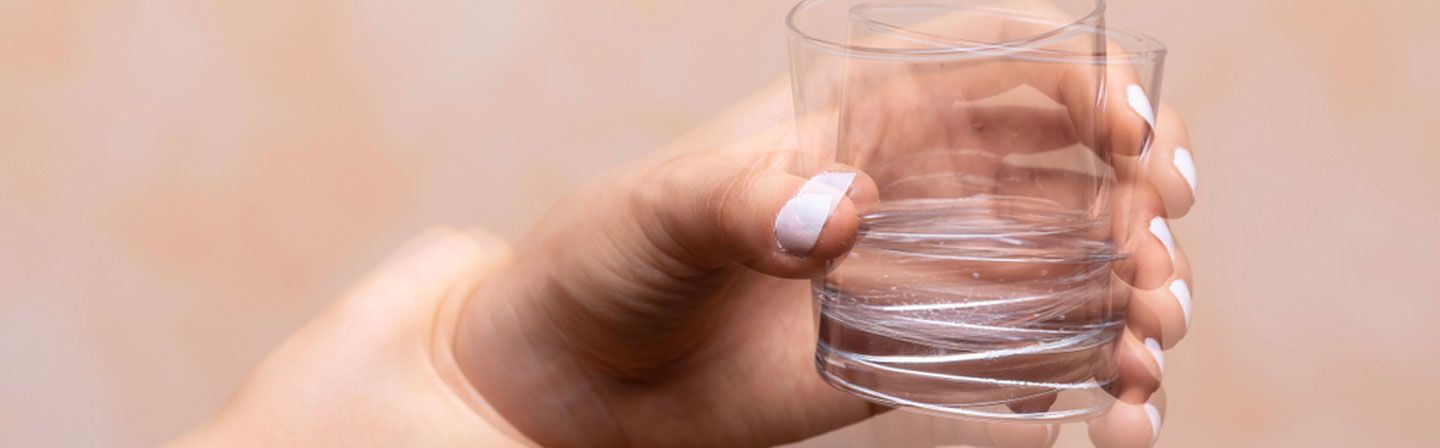
When you think of clean drinking water, you probably imagine something safe, refreshing, and essential to life. But the truth is, water isn’t always as pure as it looks. Across the world, millions of people fall sick every year because of invisible threats lurking in contaminated water, tiny organisms that can cause serious illness. These are what we call waterborne diseases. From a simple stomach upset to life-threatening infections, the impact can be huge, especially in places where access to safe water is limited.
What makes them especially tricky is that you often can’t tell by looking, smelling, or even tasting the water whether it’s contaminated. That’s why understanding the different types of waterborne diseases, recognising their symptoms, and knowing how to protect yourself is so important.
What Are Waterborne Diseases?
Waterborne diseases are illnesses that happen when people drink or come into contact with water that isn’t clean. This usually occurs when harmful germs like bacteria, viruses, or parasites get into rivers, lakes, or even tap water because of sewage, animal waste, or poor sanitation.
These diseases can spread fast, especially in places where hygiene is lacking or the water supply isn’t properly treated. Even in cities, problems with purification or careless storage can sometimes trigger outbreaks.
Types of Waterborne Diseases
Waterborne diseases are often grouped by the kind of germ that causes them. These germs can be bacteria, viruses, or parasites, and each group leads to different kinds of illness.
Bacterial Infections
Bacteria are one of the most common reasons water becomes unsafe. Some well‑known bacterial diseases include:
- Cholera - caused by Vibrio cholerae, leading to severe diarrhoea and dehydration.
- Typhoid fever - spreads through contaminated food or water, affecting the digestive system and bloodstream.
- Dysentery - often linked to Shigella bacteria, causing bloody diarrhoea and stomach pain.
Viral Infections
Viruses in dirty water can spread quickly, especially where sanitation is poor. Examples include:
- Hepatitis A and E both attack the liver and spread through contaminated water.
- Rotavirus infection - common in children, causing severe diarrhoea and dehydration.
3. Parasitic Infections
Parasites thrive in untreated or poorly treated water and can cause long‑lasting health problems.
- Giardiasis - caused by Giardia parasites, leading to ongoing digestive issues.
- Amoebiasis - results in intestinal infection and can sometimes affect the liver.
Common Symptoms to Watch Out For
The signs of waterborne diseases can differ depending on the germ involved, but many infections share similar warning signals. Paying attention to these can help you recognise problems early and seek medical care before they become serious.
Digestive Symptoms
Digestive issues are the most common signs of waterborne illness. People often experience diarrhoea, which may be severe or even bloody, along with nausea, vomiting, and stomach cramps. These symptoms can quickly weaken the body and make everyday activities difficult.
Systemic Symptoms
Beyond stomach problems, these diseases can affect the whole body. Fever, fatigue, and loss of appetite are typical, leaving people feeling drained and weak. These symptoms show that the infection is spreading beyond the digestive system and impacting overall health.
Dehydration Signs
Dehydration is one of the most dangerous outcomes of the illness. Warning signs include a dry mouth, reduced urination, dizziness, or confusion. If dehydration becomes severe, it can be life‑threatening, especially for children, older adults, and those with weaker immunity.
How Do Waterborne Diseases Spread?
Knowing how these infections spread makes it easier to protect yourself and your family. Contaminated water can reach people in several ways, often through everyday habits that seem harmless but carry hidden risks.
Contaminated Drinking Water
The most direct way these diseases spread is through drinking water that has not been treated or filtered properly. When harmful germs are present, every sip can carry them into the body. This risk is especially high in areas where water sources are shared or not regularly tested.
Poor Sanitation
When human or animal waste is not disposed of safely, it can seep into rivers, lakes, or underground water supplies. Once this happens, anyone using that water for drinking, cooking, or cleaning is exposed to infection. Communities without proper sewage systems are particularly vulnerable.
Unsafe Food Preparation
Waterborne germs don’t just spread through drinking. If contaminated water is used to wash vegetables, fruits, or cooking utensils, the infection can easily pass into food. Cooking with unsafe water can also spread disease, making food preparation a major source of risk.
Personal Hygiene Gaps
Simple habits like washing hands after using the toilet or before eating play a huge role in stopping the spread of disease. When hygiene is neglected, germs from contaminated water can move from person to person quickly, especially in crowded households or schools.
How Are Waterborne Diseases Diagnosed?
Figuring out whether someone has a water‑related infection is not always straightforward, since many of the symptoms can look similar to other illnesses. That’s why doctors use a combination of methods to make sure the diagnosis is accurate.
Medical History and Symptom Evaluation
Doctors usually begin by asking about recent activities, such as drinking untreated water or travelling to areas with poor sanitation. They also look closely at the symptoms, like diarrhoea, fever, or dehydration, to see if they match the typical patterns of water‑related infections.
Laboratory Tests
To confirm the presence of harmful germs, doctors often rely on lab work. Stool samples or blood tests can reveal bacteria, viruses, or parasites that are causing the illness. These tests provide clear evidence and help guide the right treatment plan.
Imaging Tests for Complications
In more serious cases, doctors may use imaging techniques such as ultrasound or X‑rays. These are not always needed, but they can show if the infection has spread or caused damage to organs like the liver or intestines.
Ways to Treat Water‑Related Infections
The way doctors treat water‑related infections depends on the specific illness, but there are a few common methods that are often used to help patients recover.
- The first and most urgent step in treatment is rehydration therapy, where patients are given special oral solutions or intravenous fluids to replace lost water and salts, helping the body recover from dehydration and preventing serious complications.
- Doctors also use medicines tailored to the type of infection, such as antibiotics for bacterial illnesses, antiviral drugs for viral infections, or antiparasitic medicines when parasites are involved, all of which work to directly fight the germs and ease symptoms.
- Alongside medical care, proper nutrition is encouraged, since eating light and balanced meals supports the immune system, restores strength, and gives the body the energy it needs to heal after being weakened by the infection.
Practical Ways to Stay Safe
Staying safe from infections linked to unsafe water is mostly about building small, everyday habits that protect you and your family. These practices may feel simple, but when followed consistently, they make a big difference.
- Making sure your drinking water is clean is the first step. If you are unsure about its safety, boiling it or using trusted purification methods like filters or chlorine tablets can help, and it is always best to avoid water from unknown or untreated sources.
- Good hygiene is another powerful way to stay protected. Washing your hands thoroughly with soap before eating and after using the toilet, along with keeping nails clean and trimmed, reduces the chance of germs spreading from contaminated water into your body.
- Food and storage practices also matter. Washing fruits and vegetables with clean water, avoiding raw or undercooked meals when water quality is questionable, and storing water in clean, covered containers without dipping dirty hands or utensils into it all help keep infections away.
- When travelling, extra caution is wise. Choosing bottled or properly treated water, avoiding ice made from uncertain sources, and being careful with street food in places where hygiene standards are unclear can prevent illness while you are away from home.
Conclusion
Clean water is something we often take for granted, but as you’ve seen, even a small lapse can lead to serious health concerns. Staying mindful of where your water comes from, practising good hygiene, and acting quickly when symptoms appear can go a long way in protecting you and your family. The key is not to panic, but to stay informed and consistent with simple preventive habits.
And as mentioned, if you travel often or spend time in different regions, the risk of exposure to unsafe water can quietly increase. In such situations, having reliable health insurance becomes more than just a backup; it becomes essential. For frequent travellers and NRIs, options like Niva Bupa NRI Health Insurance can offer that extra layer of support, ensuring you’re covered for unexpected medical needs, wherever you go.
Frequently Asked Questions
Q1. What are the main causes of infections from contaminated water?
These infections are usually caused by harmful microorganisms like bacteria, viruses, and parasites entering water through sewage, poor sanitation, or polluted sources. Drinking or using such water for cooking and cleaning can lead to illness.
Q2. What are the early signs to watch out for?
Common early symptoms include loose motions, stomach cramps, nausea, vomiting, and mild fever. If not managed in time, these can lead to dehydration and weakness.
Q3. Can these infections spread from one person to another?
Yes, they can spread indirectly through poor hygiene practices. For example, not washing hands properly after using the toilet or before handling food can pass the infection to others.
Q4. What is the safest way to make drinking water fit for use?
Boiling is one of the most reliable methods to kill harmful germs. You can also use water purifiers, filtration systems, or chlorine tablets to make water safer for consumption.
Q5. When should I see a doctor?
You should seek medical help if symptoms last more than a couple of days, worsen over time, or include high fever, severe dehydration, or blood in stools. Early treatment helps prevent complications.
Get right coverage, right premium and the right protection instantly.
 By clicking, I agree to Niva Bupa
 You may also like

Health Insurance - Health Insurance | Best Family Health Insurance | Best Health Insurance For Senior Citizens In India | Health Insurance With Opd Cover | Mediclaim Insurance | Critical Illness Insurance | Personal Accident Insurance | Mediclaim Policy | Individual Health Insurance | Maternity Insurance | Best Health Insurance company | NRI Health Insurance
Health Insurance Schemes - PMMVY Login | PMJJBY Policy Status | Swasthya Sathi Card | PMSBY | PMJJBY | Ayushman Card | PMMVY 2.0 | Ayushman Vay Vandana Card | PMMVY NIC IN रजिस्ट्रेशन | PMMVY 2.0 लॉगिन
Travel Insurance Plans - Travel Insurance | International Travel Insurance | Student Travel Insurance | Travel Insurance USA | Travel Insurance Canada | Travel Insurance Thailand | Travel Insurance Germany | Travel Insurance Dubai | Travel Insurance Bali | Travel Insurance Australia | Travel Insurance Schengen | Travel Insurance Singapore | Travel Insurance UK | Travel Insurance Vietnam | Travel Insurance Japan | Travel Insurance Spain | Travel Insurance Asia | Travel Insurance Netherlands | Travel Insurance Turkey | Travel Insurance Ireland | Travel Insurance Philippines | Travel Insurance Italy | Travel Insurance France | Travel Insurance China | Travel Insurance Georgia | Travel Insurance South Africa | Travel Insurance Maldives | Travel Insurance Portugal | Travel Insurance Malaysia | Travel Insurance Qatar | Travel Insurance Poland | Travel Insurance Greece | Travel Insurance New zealand | Travel Insurance Saudi Arabia | Travel Insurance Sri Lanka
Become an Agent - Insurance Agent
Top Hospitals - Best Hospitals in Gurgaon
Others - Ayushman Bharat | Gst Refund for NRI on Health Insurance Premium
Health & Wellness - शिलाजीत के फायदे हिंदी | Weight Gain Diet in Hindi | Sat Isabgol Uses In Hindi | Aloe Vera Juice Benefits in Hindi | Dragon Fruit Benefits in Hindi | Akal Daad in Hindi | Acidity Home Remedies in Hindi | Nikat Drishti Dosh in Hindi | Yoga Benefits in Hindi | Laung Khane ke Fayde in Hindi | Leukoplakia in Hindi | Protein in 100g Paneer | Benefits of Rice Water For Skin | B12 Deficiency Symptoms in Hindi | Fibre Foods in Hindi | Chronic Disease Meaning in Hindi | Vitamin D Foods in Hindi | Blood Urea in Hindi | Beetroot Uses Good for Health
Calculator - BMI Calculator | Pregnancy Calculator | Pregnancy Calendar Based on Conception Date | Pregnancy Conception Date Calculator | Last Menstrual Period Calculator | BMR Calculator | GFR Calculator | Ovulation Calculator



www.nivabupa.com

+91 11 30902010

1860-500-8888

CIN: L66000DL2008PLC182918
IRDAI Registration No. 145

Corporate Office: 3rd Floor, Capital Cyberscape, Sector 59, Gurgaon
Registered Office: C-98, First Floor, Lajpat Nagar, Part 1, Delhi-110024, India


