

Hidden Charges in Hospital Bills - and How Network Hospitals Help You Avoid
21 May, 2026
9 Shares
149 Reads
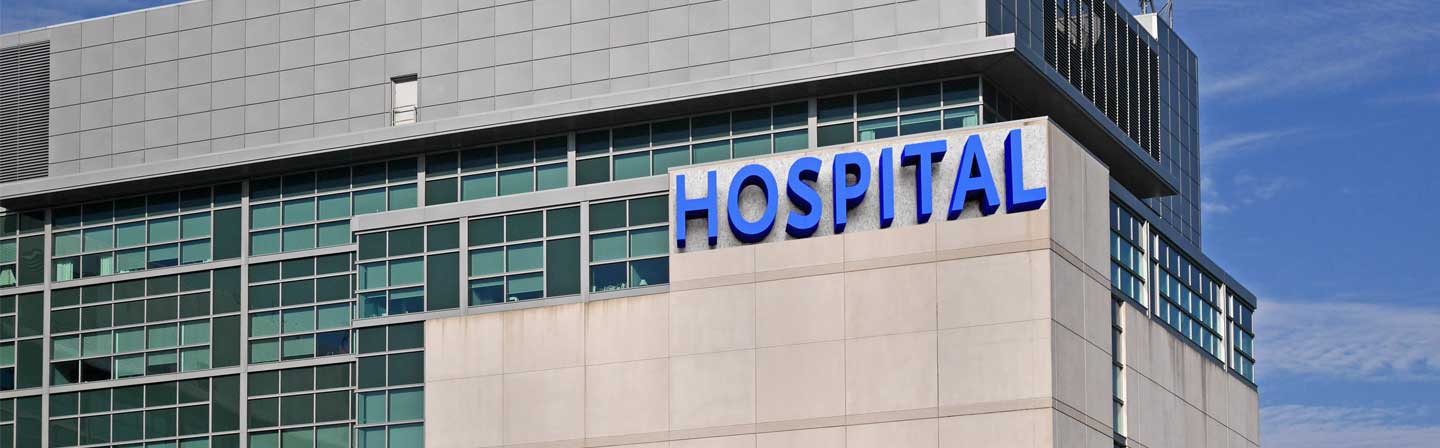
A hospital discharge should be a moment of relief. However, for many families, that relief is often cut short by the arrival of the final bill. Even with comprehensive health insurance, you might find yourself staring at a "balance payable" amount that you didn't anticipate. These surprises are frequently rooted in hidden charges—costs that sit outside the core medical procedures but add up significantly.
Understanding these costs is the first step toward financial protection. By leveraging the power of Network Hospitals, policyholders can navigate these complexities with far greater transparency. This guide explores the anatomy of hospital billing and how choosing the right healthcare partner can safeguard your savings.
What Are Hidden Charges in Hospital Bills?
In the context of Indian healthcare, "hidden charges" typically refer to expenses that are either excluded from standard insurance coverage or are inflated due to specific room choices. While the surgery or the primary treatment is covered, the peripheral costs often remain a grey area for the uninitiated.
Common Examples of Hidden Fees
- Administrative and Admission Fees: Many hospitals charge a one-time fee for processing paperwork, creating a patient file, or managing the discharge process. Most insurers classify these as non-medical expenses.
- Consumables and Non-Medical Items: This is often the largest chunk of out-of-pocket expenses. It includes PPE kits, gloves, masks, syringes, and even items like tissues or water jugs. While essential, these are frequently not covered under standard base plans.
- Room Rent Pro-Rata Charges: If your policy allows for a twin-sharing room but you opt for a private suite, the insurer doesn't just ask you to pay the difference in room rent. They may apply "proportionate deductions" to the entire bill, including surgeon fees and diagnostic tests.
- Service Charges: Some hospitals levy a flat percentage (usually 10% to 15%) on the total bill as a service or maintenance fee.
- Doctor Visit Variations: The cost of a specialist’s visit can change depending on the category of the room you occupy, even if the medical advice remains identical.
Why Hidden Charges Are a Concern for Policyholders
The presence of unexpected costs creates more than just a momentary dent in your wallet. It fundamentally alters the experience of recovery.
- Financial Stress: At a time when you should focus on health, arguing over a bill at the TPA (Third Party Administrator) desk adds unnecessary mental strain.
- Lack of Transparency: Without a clear breakdown of costs beforehand, it is difficult to budget for a medical emergency, even with insurance.
- Impact on Claim Settlements: If a large portion of your bill consists of "non-payable" items, your effective claim settlement ratio drops, meaning you bear a higher percentage of the cost than planned.
What Are Network Hospitals?
A Network Hospital is a healthcare provider that has entered into a formal agreement with an insurance company. This partnership is built on trust, quality standards, and, most importantly, pre-negotiated pricing structures.
When an insurer like Niva Bupa partners with a facility, the hospital agrees to provide services to the insurer's policyholders at fixed rates. This ecosystem is designed to create a seamless experience for the patient while ensuring the insurer can manage claims efficiently.
How Network Hospitals Help You Avoid Hidden Charges
Choosing to receive treatment at Network Hospitals is perhaps the most effective way to eliminate billing surprises. Here is how these partnerships protect your finances:
Pre-Agreed Treatment Costs
Because Network Hospitals have a contract with the insurer, the costs for various procedures—from a simple appendectomy to complex cardiac surgery—are capped and agreed upon in advance. This prevents the hospital from inflating prices specifically for insured patients.
Cashless Treatment Transparency
In a Network Hospital, the billing department communicates directly with the insurance company. This "Cashless" facility means the insurer vets the bill in real-time. If a hospital attempts to levy an unauthorised charge, the insurer’s team can flag it immediately, ensuring you are not overcharged.
Standardised Pricing for Consumables
While consumables are often a point of contention, Network Hospitals often follow a more standardised protocol for billing these items to partner insurers, reducing the likelihood of exorbitant markups on basic medical supplies.
Reduced Billing Disputes
Since the rules of engagement are clearly defined in a legal contract between the insurer and the hospital, there is very little room for "interpretation" of costs. This leads to faster approvals and fewer deductions from your final claim.
Cashless Treatment and Cost Transparency
The cashless facility is the crown jewel of the Network Hospital system. When you walk into a non-network facility, you are essentially a retail customer. You pay the bills upfront and then hope the insurer reimburses you later.
However, within the network, the process is inverted:
- The hospital sends a "Pre-authorisation" request to the insurer.
- The insurer approves a specific amount based on the diagnosis.
- Upon discharge, the final bill is settled directly between the two parties.
This direct interaction forces a level of transparency that is impossible to achieve in a reimbursement scenario. You receive a clear statement of what the insurer paid and exactly why certain small items (like the "admission kit") might be your responsibility.
How Do Network Hospitals Reduce Medical Costs?
Network hospitals play a crucial role in making healthcare more affordable by leveraging economies of scale. Since insurance companies partner with a wide network of hospitals and consistently direct a large number of patients to them, these hospitals benefit from a steady flow of business. In return, insurers are able to negotiate discounted or “wholesale” treatment rates for various medical services, including surgeries, diagnostics, and room charges. This pre-negotiated pricing structure helps eliminate inflated or inconsistent billing, ensuring cost transparency for policyholders. Additionally, network hospitals often follow standardised treatment protocols agreed upon with insurers, which further prevents unnecessary procedures and expenses. These collective savings are ultimately passed on to customers in the form of more affordable premiums, reduced out-of-pocket expenses, and higher claim settlement efficiency, especially during cashless hospitalisation.
Tips to Avoid Hidden Charges Even Outside Network Hospitals
There are instances where a Network Hospital might not be accessible, such as in remote areas or specific emergencies. In such cases, follow these steps to minimize billing surprises:
- Request a Detailed Estimate: Before admission, ask the hospital for a comprehensive "Estimate of Expenses" that breaks down room rent, surgery fees, and estimated consumable costs.
- Check Your Room Rent Limit: Ensure the room you choose aligns with your policy's eligibility. Even a 500-rupee difference in room rent can lead to thousands of rupees in proportionate deductions across the entire bill.
- Pre-authorisation Check: Even for reimbursement claims, you can contact your insurer to check if the proposed treatment and hospital charges align with industry standards.
- Audit the Pharmacy Bill: Sometimes, medications are billed but not used. Always cross-check the medicines listed on the bill with the ones actually administered.
Why Choosing the Right Insurer Matters: The Niva Bupa Advantage
The strength of your health insurance is only as good as the network it supports. Niva Bupa has cultivated one of the most extensive lists of Network Hospitals in the country, ensuring that quality care is never far away.
By prioritising a transparent claims process and a customer-first approach, Niva Bupa ensures that policyholders aren't left decoding complex bills. Whether it is through the user-friendly Niva Bupa Health App or the dedicated support teams at Network Hospitals, the goal remains the same: making sure you focus on your recovery while we handle the fine print.
Conclusion
Hidden charges don't have to be an inevitable part of your healthcare journey. By understanding how hospital billing works and prioritising Network Hospitals for your planned treatments, you can enjoy the full benefits of your health insurance policy. Transparency is the best medicine for financial health.
Are you looking for a health plan that offers a vast network and a hassle-free claims experience? Explore Niva Bupa’s range of health insurance plans today and secure your family's future with confidence.
Frequently Asked Questions
1. What are hidden charges in hospital bills?
Hidden charges refer to costs not directly related to medical treatment that may not be covered by insurance. These include administrative fees, service charges, and non-medical consumables like gloves, masks, and hygiene kits.
2. How do Network Hospitals help reduce medical expenses?
Network Hospitals have pre-negotiated rate cards with insurance companies. This ensures that the cost of surgeries, consultations, and diagnostics is fixed and lower than standard retail rates, preventing price inflation and reducing your out-of-pocket spending.
3. Are all expenses covered under cashless treatment?
No, even in a cashless setup at Network Hospitals, certain "non-payable" items like administrative fees, external medical devices, or personal comfort items (tissues, water) must be paid for by the policyholder.
4. What is the difference between network and non-network hospitals?
A Network Hospital has a direct tie-up with your insurer for cashless claims and fixed pricing. A non-network hospital has no such agreement; you must pay the bill yourself and apply for reimbursement later, often at higher cost rates.
5. Can hidden charges still occur in Network Hospitals?
While rare due to pre-negotiated rates, some charges might still appear if you opt for a room category higher than your eligibility or if you require extensive non-medical consumables. Always check your policy's "Non-medical Items" list.
6. How can I check if a hospital is in my insurer’s network?
You can check the list of Network Hospitals via your insurer's official website, their mobile app, or by calling their customer service helpline before planning a procedure.
7. What should I do if I notice unexpected charges?
If you are at a Network Hospital, you can immediately contact the insurance desk at the hospital or your insurer’s grievance cell to seek clarification before making the final payment.
Get right coverage, right premium and the right protection instantly.
 By clicking, I agree to Niva Bupa
 You may also like


Popular Searches
Health Insurance - Health Insurance | Best Family Health Insurance | Best Health Insurance For Senior Citizens In India | Health Insurance With Opd Cover | Mediclaim Insurance | Critical Illness Insurance | Personal Accident Insurance | Mediclaim Policy | Individual Health Insurance | Maternity Insurance | Best Health Insurance company | NRI Health Insurance
Health Insurance Schemes - PMMVY Login | PMJJBY Policy Status | Swasthya Sathi Card | PMSBY | ABHA Card Download | PMJJBY | Ayushman Card | PMMVY 2.0 | Ayushman Vay Vandana Card | PMMVY NIC IN रजिस्ट्रेशन | PMMVY 2.0 लॉगिन
Travel Insurance Plans - Travel Insurance | International Travel Insurance | Student Travel Insurance | Travel Insurance USA | Travel Insurance Canada | Travel Insurance Thailand | Travel Insurance Germany | Travel Insurance Dubai | Travel Insurance Bali | Travel Insurance Australia | Travel Insurance Schengen | Travel Insurance Singapore | Travel Insurance UK | Travel Insurance Vietnam | Travel Insurance Japan | Travel Insurance Spain | Travel Insurance Asia | Travel Insurance Netherlands | Travel Insurance Turkey | Travel Insurance Ireland | Travel Insurance Phillipines | Travel Insurace Italy | Travel Insurance France | Travel Insurance China | Travel Insurance Georgia | Travel Insurance South Africa | Travel Insurance Maldives | Travel Insurance Portugal | Travel Insurance Malaysia | Travel Insurance Qatar | Travel Insurance Poland | Travel Insurance Greece | Travel Insurance New zealand | Travel Insurance Saudi Arabia | Travel Insurance Sri Lanka
Become an Agent - Insurance Agent | Insurance Advisor | Licensed Insurance Agent | Health Insurance Consultant | POSP Insurance Agent | IRDA Certificate Download | IC 38 Exam | Insurance Agent vs POSP | IRDA Exam Syllabus | IRDAI Agent Locator | IRDA exam fee | Paise Kaise Kamaye | Ghar Baithe Paise Kaise Kamaye
Top Hospitals - Best Hospitals in Chennai | Top Hospitals in Delhi | Best Hospitals in Gurgaon | Best Hospitals in India | Top 10 Hospitals in India | Best Hospitals in Hyderabad | Best Hospitals in Kolkata | Best cancer hospitals in Bangalore | Best cancer hospitals in Hyderabad | Best cancer hospitals in Mumbai | Best cancer hospitals in India | Top 10 cancer hospitals in India
Others - Ayushman Bharat | Gst Refund for NRI on Health Insurance Premium | Health Insurance Tax Deductible
Health & Wellness - शिलाजीत के फायदे हिंदी | Weight Gain Diet in Hindi | Sat Isabgol Uses In Hindi | Aloe Vera Juice Benefits in Hindi | Dragon Fruit Benefits in Hindi | Akal Daad in Hindi | Acidity Home Remedies in Hindi | Nikat Drishti Dosh in Hindi | Yoga Benefits in Hindi | Laung Khane ke Fayde in Hindi | Leukoplakia in Hindi | Protien in 100g Paneer | Benefits of Rice Water For Skin | B12 Deficiency Symptoms in Hindi | Fibre Foods in Hindi | Chronic Disease Meaning in Hindi | Vitamin D Foods in Hindi | Blood Urea in Hindi | Beetroot Uses Good for Health
Calculator - BMI Calculator | Pregnancy Calculator | Pregnancy Calendar Based on Conception Date | Pregnancy Conception Date Calculator | Last Menstrual Period Calculator | BMR Calculator | GFR Calculator | Ovulation Calculator



www.nivabupa.com

+91 11 30902010

1860-500-8888

CIN: L66000DL2008PLC182918
IRDAI Registration No. 145

Corporate Office: 3rd Floor, Capital Cyberscape, Sector 59, Gurgaon
Registered Office: C-98, First Floor, Lajpat Nagar, Part 1, Delhi-110024, India


