

Are All Calories the Same?
13 March, 2026
7 Shares
215 Reads
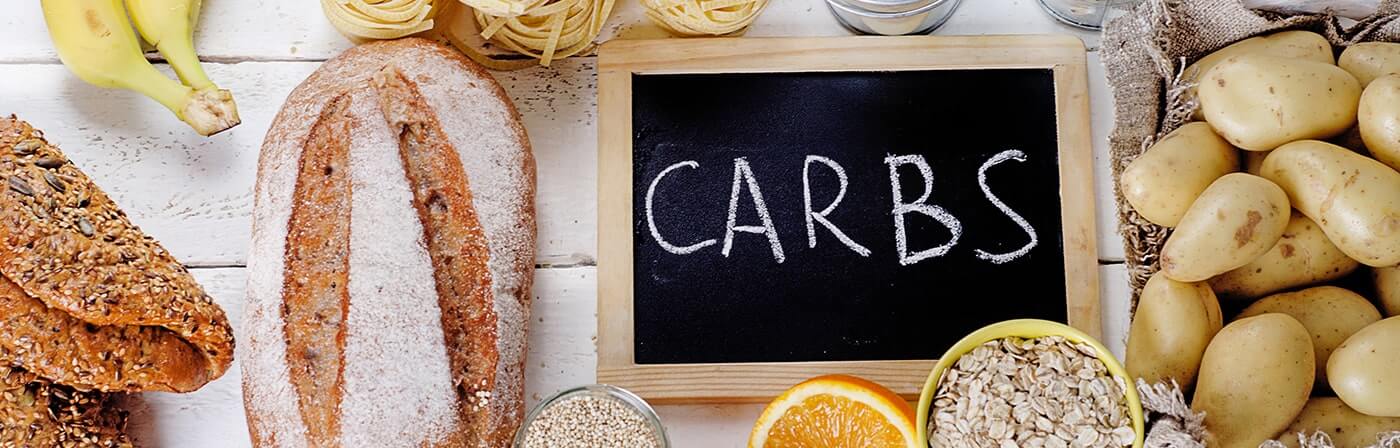
Are all calories the same, or does the source of those calories matter just as much as the number? The weight control principle has been incredibly basic for many decades, and it has still been calories in, calories out. According to this thermodynamic equation, as long as one eats fewer calories than the calories he/she burns, he/she will lose weight irrespective of the source of calories. But with the advancement of nutritional science, it can be seen that the human body is much more complicated than a caloric furnace.
Although a calorie is a constant unit of energy in the laboratory, how our bodies utilise the energy is greatly determined by its source. It is crucial to learn the ins and outs of various macronutrients to be an individual who is interested in optimising health, performance, or body composition.
The Thermic Effect of Food (TEF)
To truly answer are all calories the same, it is essential to understand the thermic effect of food and how much energy the body spends digesting different nutrients. Among the key factors which do not make calories equal is the Thermic Effect of Food (TEF), or diet-induced thermogenesis. This is known as the energy that the body needs to digest, absorb and process the nutrients in what one eats. Essentially, one will have to spend energy in order to have energy in food. Due to the differing amounts of energy required to metabolise each macronutrient, a considerable difference between the net calories retained in the body is generated.
Protein: The High‑Octane Fuel
Protein has the highest TEF amongst the macronutrients. About 2030 per cent of the protein calories that are acquired are consumed just in processing it. On average, 100 calories of protein intake by the body only helps in the retention of about 70 to 80 calories. In addition, protein cannot be replaced in the synthesis of muscle proteins that maintain a greater resting metabolic rate despite the body's rest. Protein is therefore a very critical means when an individual wants to strive to lose fat and save lean tissue.
Carbohydrates and Fats
In comparison, carbohydrates have a TEF of approximately 510 per cent, and fats in the diet have the lowest TEF (03 per cent). Therefore, in case one consumes 1,000 calories of pure fat, the body consumes very minimal energy to store. In contrast, a large-protein diet naturally raises the daily energy consumption, which provides a metabolic benefit that cannot be estimated with the help of calorie counting. Consumption of whole, complex carbs instead of refined ones will also promote TEF, since fibre has to undergo further mechanical and chemical work to be digested.
Fructose vs. Glucose: Not Every Sugar is Created Equal
Even though fructose and glucose are both simple sugars (monosaccharides) and they contain the same amount of calories, about four calories per gram, their mechanism of absorption by the human body is radically different. This comparison clearly shows that all calories are the same is not just a theoretical question, but one with real metabolic consequences. This two-sidedness gives a good indication that a calorie is no longer universal in its impact. Fructose and glucose have significantly different effects on hunger, energy levels and fat storage since they have different metabolic pathways.
Glucose: The First Fuel of the Body
Glucose is almost a universal source of energy among most cells in the body, such as the brain and the skeletal muscles. When consumed, glucose gets into the bloodstream and directly into the blood, triggering the pancreas to secrete insulin. Insulin helps the cell to absorb glucose through its immediate use or storage as glycogen in muscles and the liver to be used later. Since the cells all over the body utilise glucose, it is an incredibly efficient source of energy that causes minimal strain on a given organ.
Fructose: The Hepatic Burden
Fructose, found in large amounts in fruit as well as in high-fructose corn syrup and table sugar are processed in a significantly different manner. In contrast to glucose, a majority of the cells do not use fructose as a source of energy, but rather fructose is transported directly to the liver, which is the only organ in the body which can build large amounts of fructose. When the liver becomes flooded with fructose, especially from liquid sources, e.g. soda or processed snacks, the liver starts to convert the surplus sugar to fat via de novo lipogenesis. It may result in hepatic lipid build-up (non-alcoholic fatty liver disease) and an increase in blood triglycerides. Moreover, fructose does not cause the same increase in insulin or the satiety hormone leptin as glucose, which often leads to excessive weight gain since the brain does not get sufficient data that the energy has been utilised.
A Calorie is a Calorie: The Thermodynamic Perspective
Strictly speaking, a calorie (or rather a kilocalorie) is a unit of energy which is defined as the amount of heat necessary to raise the temperature of one kilogram of water one degree Celsius. Whether that energy is contained in kale or in sugar, the potential energy measured with a bomb calorimeter is the same. The First Law of Thermodynamics is based on this laboratory definition: one cannot create or destroy energy; only transform it.
Conventionally speaking, this equation implies that weight changes will be brought about by the strict regulation of the total energy intake. Therefore, some people have been able to lose weight even under the so-called junk-food diets, as long as there is a sharp caloric deficit. However, the focus on the scale overlooks vital aspects such as body composition, metabolic rate, hunger signals, and long-term health. This question-are all calories the same-has become increasingly relevant as modern nutrition science reveals that the body processes different foods in very different ways. The body is not a fixed machine; it is a complex biological system which reacts differently to the various sources of energy as soon as they pass the lips. The caloric value is fixed; however, the biological response is highly variable, and its response varies and is dependent on the complexity of the food matrix.
The Hormonal Effect: Insulin and Storage of Fat
The Calories In, Calories Out model does not take into consideration the intricacies of the endocrine system. Food triggers different hormones, which can be viewed as body instructions, meaning that it is either necessary to use the energy instantly or it should be stored in the form of adipose tissue. Hormones are described as metabolic traffic controllers, and their signalling has a much more significant impact than the mere amount of calories.
Intake of refined carbohydrates or sweet candies will result in a quick rise in blood glucose levels. As a result, insulin is secreted by the pancreas, and it is often referred to as the storage hormone since its main activity is to eliminate glucose in the plasma and help the cells take it in. The high level of insulin inhibits the process of lipolysis, which is the breakdown of the stored adipose tissue, and activates lipogenesis, which is the creation of new adipose reserves. Practically, a high level of insulin would prevent the fatty acid mobilisation, and consequently lipid oxidation.
On the other hand, intake of fibrous vegetables, healthy fats, and sources of protein will cause a slow and stable increase in glycaemic index. This works against the oscillatory gain of insulin reaction that causes energy depletion and boosted adipogenesis. Therefore, broccoli as a source of five hundred kilocalories has a vastly different endocrine effect than soda as a source of five hundred kilocalories despite having identical caloric value. The change in the hormonal milieu can be achieved by changing the quality of food consumed, and this can be used to shift the body between a storage and a utilisation phenotype. If all calories were the same were true in practice, hormonal responses like insulin spikes would not vary so dramatically between different foods.
Satiety and the Hunger Loop
The concept of sustainability makes up the most important aspect of any nutritional policy, thus making the concept of quality over quantity indisputable. Different foods have dissimilar effects on satiety hormones, leptin, which transfers satiety, and ghrelin, which elicits hunger. The diet that continuously leaves one hungry will never work, regardless of the accuracy with which caloric count is recorded.
Hyper-palatability. Ultra-processed foods are often designed to combine a high amount of sugar, salt, and harmful fats to override homeostatic signals of fullness and stimulate the central reward system. The ingestion of such caloric sources is categorised as empty because of their sparse nature in terms of fibre and protein, which are necessary to stimulate the mechanical and biochemical satiety responses. This breeds a form of hyper- consumption and starving under the guise of being full, with the physiological need for nutrients remaining.
Whole foods, conversely, are naturally satiating in nature. Excessive consumption of foods like chicken breast, boiled potatoes, or lentils is difficult as they have a large physical volume and are rich in nutrients, which then sends the signal to the central nervous system that physiological needs are met. Elaborating on higher-quality, nutrient-enriched energy sources, people control their consumption in a natural way, eliminating the psychological pressure associated with limiting diets. This natural control is the key to sustainable, healthy weight management that does not involve constant supervision.
Conclusion
Finally, the caloric value to a unit of energy is the same at all labs; however, the biological implications vary greatly when comparing various sources of energy. So, while physics may suggest otherwise, the real-world answer to are all calories the same is a clear no when human biology is taken into account. The source of nutrient consumption regulates the metabolic processes through the thermic effect of food, influences the endocrine milieu, appetite control, and cell integrity. When comparing the unique metabolic pathways of fructose and glucose or comparing the efficiencies of protein and lipids, one thing is clear, and that is nutritional quality as compared to quantity. The shift in focus more towards quality than quantity is the most effective way of achieving long-term health and metabolic competence.
When you are honing your eating and health plans, it is worth looking after your future health, wisely. Similar to the situation with choosing high-quality fuel for your body, investing in all-inclusive health insurance is a wise step towards achieving future tranquillity of mind. Niva Bupa NRI Health Insurance provides the guarantee of global coverage with specialists and a large network of hospitals. Combining sound nutrition habits with effective health insurance coverage, you set the foundation for a healthy, safe and active life.
FAQs
1. Is 100 calories of chocolate the same as 100 calories of fruit?
Physically, yes; biologically, no. From a purely mathematical perspective, calories measure energy, but biologically, are all calories the same is a misleading idea. While a laboratory would measure the energy content as identical, your body processes them through vastly different pathways. 100 calories of fruit (like an apple) come packed with fibre, which slows sugar absorption and keeps you full longer. Conversely, 100 calories of chocolate are typically composed of refined sugars and fats that spike insulin levels rapidly, signalling your body to store energy rather than burn it. Furthermore, the "thermic effect" of whole fruit requires more energy to digest than the highly processed ingredients in chocolate.
2. Is 2000 kcal the same as 2000 calories?
In the context of nutrition and food labelling, yes. Technically, one kcal (kilocalorie) is equal to 1,000 "small" calories used in chemistry. However, in common parlance and on every nutrition fact panel you see, the word "Calorie" (often capitalised) is used as a synonym for kilocalorie. So, if a meal is listed as having 2,000 calories, it is scientifically 2,000 kcal.
3. Does 12/3/30 actually burn 300 calories?
The 12/3/30 workout—setting a treadmill to a 12% incline at 3 miles per hour for 30 minutes—is an effective cardiovascular challenge, but the exact calorie burn varies by individual. Factors such as your current weight, metabolic rate, and fitness level dictate the total expenditure. While a person weighing roughly 150–180 lbs might burn approximately 250 to 350 calories during this session, the true benefit lies in the sustained heart rate and muscular engagement of the posterior chain.
4. Why am I eating 1500 calories and not losing weight?
Weight loss plateaus at 1,500 calories usually stem from three main factors: metabolic adaptation, underestimation, or hormonal imbalance. If you have been dieting for a long time, your body may have lowered its basal metabolic rate to conserve energy. Additionally, many people unintentionally underestimate portion sizes or forget "hidden" calories in cooking oils and beverages. Finally, as discussed in the main blog, if those 1,500 calories consist of high-glycemic foods, elevated insulin levels might be hindering your body's ability to access and burn stored fat.
Get right coverage, right premium and the right protection instantly.
 By clicking, I agree to Niva Bupa
 You may also like



Health Insurance - Health Insurance | Best Family Health Insurance | Best Health Insurance For Senior Citizens In India | Health Insurance With Opd Cover | Mediclaim Insurance | Critical Illness Insurance | Personal Accident Insurance | Mediclaim Policy | Individual Health Insurance | Maternity Insurance | Best Health Insurance company | NRI Health Insurance
Health Insurance Schemes - PMMVY Login | PMJJBY Policy Status | Swasthya Sathi Card | PMSBY | PMJJBY | Ayushman Card | PMMVY 2.0 | Ayushman Vay Vandana Card | PMMVY NIC IN रजिस्ट्रेशन | PMMVY 2.0 लॉगिन
Travel Insurance Plans - Travel Insurance | International Travel Insurance | Student Travel Insurance | Travel Insurance USA | Travel Insurance Canada | Travel Insurance Thailand | Travel Insurance Germany | Travel Insurance Dubai | Travel Insurance Bali | Travel Insurance Australia | Travel Insurance Schengen | Travel Insurance Singapore | Travel Insurance UK | Travel Insurance Vietnam | Travel Insurance Japan | Travel Insurance Spain | Travel Insurance Asia | Travel Insurance Netherlands | Travel Insurance Turkey | Travel Insurance Ireland | Travel Insurance Philippines | Travel Insurance Italy | Travel Insurance France | Travel Insurance China | Travel Insurance Georgia | Travel Insurance South Africa | Travel Insurance Maldives | Travel Insurance Portugal | Travel Insurance Malaysia | Travel Insurance Qatar | Travel Insurance Poland | Travel Insurance Greece | Travel Insurance New zealand | Travel Insurance Saudi Arabia | Travel Insurance Sri Lanka
Become an Agent - Insurance Agent
Top Hospitals - Best Hospitals in Gurgaon
Others - Ayushman Bharat | Gst Refund for NRI on Health Insurance Premium
Health & Wellness - शिलाजीत के फायदे हिंदी | Weight Gain Diet in Hindi | Sat Isabgol Uses In Hindi | Aloe Vera Juice Benefits in Hindi | Dragon Fruit Benefits in Hindi | Akal Daad in Hindi | Acidity Home Remedies in Hindi | Nikat Drishti Dosh in Hindi | Yoga Benefits in Hindi | Laung Khane ke Fayde in Hindi | Leukoplakia in Hindi | Protein in 100g Paneer | Benefits of Rice Water For Skin | B12 Deficiency Symptoms in Hindi | Fibre Foods in Hindi | Chronic Disease Meaning in Hindi | Vitamin D Foods in Hindi | Blood Urea in Hindi | Beetroot Uses Good for Health
Calculator - BMI Calculator | Pregnancy Calculator | Pregnancy Calendar Based on Conception Date | Pregnancy Conception Date Calculator | Last Menstrual Period Calculator | BMR Calculator | GFR Calculator | Ovulation Calculator



www.nivabupa.com

+91 11 30902010

1860-500-8888

CIN: L66000DL2008PLC182918
IRDAI Registration No. 145

Corporate Office: 3rd Floor, Capital Cyberscape, Sector 59, Gurgaon
Registered Office: C-98, First Floor, Lajpat Nagar, Part 1, Delhi-110024, India


