

How to Improve Liver Health: Tips & Benefits
9 September, 2025
2 Shares
426 Reads
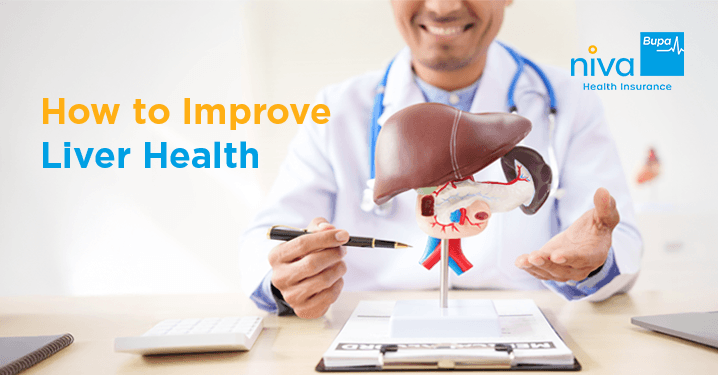
The liver is one of the most vital organs in the human body. It is often described as the body’s natural detoxifier because it filters toxins from the blood, metabolises nutrients, regulates hormones, and supports digestion. Despite its remarkable ability to regenerate, the liver can be overburdened by unhealthy lifestyle choices, poor diet, excessive alcohol intake, or chronic illnesses. That’s why understanding how to improve liver health is essential to overall well-being.
In this detailed guide, we’ll discuss practical tips to improve liver function, lifestyle habits that protect this crucial organ, and the long-term benefits of maintaining a healthy liver.
Why Liver Health Matters
The liver performs more than 500 vital functions, making it one of the hardest-working organs in the body. It breaks down fats, stores energy, regulates blood sugar levels, produces proteins needed for blood clotting, and removes toxins. When the liver becomes damaged, these processes are disrupted, leading to serious conditions such as fatty liver disease, hepatitis, cirrhosis, or even liver cancer.
By learning how to improve liver health, you not only protect this vital organ but also enhance your metabolism, strengthen immunity, and maintain overall vitality.
Common Causes of Liver Damage
Before we explore ways to improve liver health, it’s important to understand what puts this organ at risk:
- Excessive alcohol consumption: A leading cause of fatty liver, cirrhosis, and long-term liver damage.
- Unhealthy diet: High intake of processed foods, fried items, and sugary drinks can lead to fat buildup in the liver.
- Obesity and sedentary lifestyle: Both increase the risk of non-alcoholic fatty liver disease (NAFLD).
- Viral infections: Hepatitis B and hepatitis C can inflame and scar the liver.
- Certain medications and toxins: Overuse of painkillers or exposure to chemicals can damage liver cells.
- Underlying health conditions: Diabetes, high cholesterol, and metabolic syndrome often affect liver function.
Tips on How to Improve Liver Health
Now let’s dive into practical, science-backed strategies for keeping your liver strong and healthy.
Eat a Balanced, Nutrient-rich Diet
A liver-friendly diet is the cornerstone of liver health. Focus on foods that provide essential vitamins, minerals, and antioxidants. Fresh fruits, vegetables, whole grains, lean proteins, and healthy fats should dominate your plate.
- Fruits and vegetables: Rich in antioxidants and fibre, they help reduce oxidative stress and inflammation in the liver. Leafy greens, berries, and cruciferous vegetables like broccoli and cauliflower are especially beneficial.
- Whole grains: Brown rice, oats, and quinoa support metabolism and regulate blood sugar.
- Healthy fats: Omega-3 fatty acids from nuts, seeds, and fatty fish help reduce fat accumulation in the liver.
- Protein sources: Lean meats, legumes, and eggs aid in tissue repair and enzyme production.
Avoid foods high in trans fats, refined sugar, and excessive salt. Processed foods and fried snacks are especially harmful to the liver.
Stay Hydrated with Adequate Water
Water is essential for flushing toxins out of the body. Dehydration can slow down the liver’s detoxification process, making it harder to filter waste from the blood. Aim to drink at least 8–10 glasses of water daily. Herbal teas and infused water with lemon or cucumber can also support liver health by boosting hydration and providing additional antioxidants.
Limit Alcohol Consumption
Alcohol is one of the biggest threats to liver function. Even moderate drinking can cause fat buildup, while excessive intake of alcohol can lead to severe conditions like alcoholic hepatitis or cirrhosis. If you want to know how to improve liver health, cutting down or completely avoiding alcohol is the most effective step. Those who drink should follow recommended guidelines and allow the liver time to recover.
Maintain a Healthy Weight
Obesity significantly increases the risk of non-alcoholic fatty liver disease (NAFLD), a condition where fat accumulates in the liver without alcohol use. Losing excess weight through a combination of healthy eating and exercise can reduce fat deposits, lower inflammation, and improve liver function. Even a 5–10% reduction in body weight can make a noticeable difference.
Exercise Regularly
Physical activity boosts metabolism, burns excess fat, and prevents obesity—all of which protect the liver. Engaging in at least 150 minutes of moderate-intensity exercise each week is ideal. Activities like walking, jogging, cycling, swimming, or yoga not only improve liver function but also support cardiovascular and overall health.
Avoid Overuse of Medications
Certain medications, when taken in high doses or without medical supervision, can strain the liver. Painkillers, antibiotics, and cholesterol-lowering drugs are common culprits. Always follow prescribed dosages and avoid self-medication. If you’re taking long-term medication, regular liver function tests can help monitor your liver’s health.
Get Vaccinated for Hepatitis
Hepatitis B and C infections are major causes of liver inflammation and long-term damage. While hepatitis C does not yet have a vaccine, hepatitis B does. Getting vaccinated, practising safe hygiene, and avoiding risky behaviours such as sharing needles or unprotected sex can protect you from infections that harm the liver.
Manage Stress Levels
Chronic stress can indirectly harm the liver by affecting metabolism and encouraging unhealthy habits like overeating or alcohol use. Mind-body practices such as meditation, deep breathing, and yoga help regulate stress hormones and keep the liver healthy.
Ensure Adequate Sleep
Poor sleep patterns disrupt the liver’s natural detoxification cycle, which primarily occurs at night. Aim for 7–8 hours of quality sleep daily to support optimal liver function. Maintaining a consistent sleep routine improves not just liver health but also energy, mood, and immune strength.
Reduce Exposure to Environmental Toxins
Household chemicals, pesticides, and pollutants can harm liver cells. Use protective equipment when handling chemicals, opt for natural cleaning products, and avoid unnecessary exposure to smoke and pollution. The liver works overtime to process toxins, so minimising exposure reduces strain.
Benefits of Improving Liver Health
Once you start applying these tips on how to improve liver health, you’ll notice several positive effects across different aspects of your well-being.
Enhanced Digestion and Nutrient Absorption
The liver produces bile, which plays a crucial role in breaking down fats and absorbing nutrients. A healthy liver ensures smoother digestion, less bloating, and improved energy levels.
Better Detoxification and Immunity
A properly functioning liver filters out toxins and pathogens effectively. This improves overall immunity, reduces the risk of infections, and enhances your ability to recover from illness.
Balanced Weight and Reduced Risk of Fatty Liver
By adopting healthier eating and exercise habits, fat accumulation in the liver decreases. This not only improves liver function but also lowers the risk of related conditions such as type 2 diabetes and heart disease.
Improved Skin and Energy Levels
Liver health is directly linked to skin appearance. A well-functioning liver helps clear toxins, resulting in healthier, clearer skin. Additionally, when your liver efficiently regulates blood sugar and processes nutrients, your energy levels remain steady throughout the day.
Reduced Risk of Chronic Diseases
Maintaining liver health lowers your risk of developing serious diseases like cirrhosis, liver cancer, or chronic hepatitis. It also supports overall longevity and quality of life by ensuring your body’s internal systems remain balanced.
Long-term Lifestyle for a Healthy Liver
Improving liver health is not about short-term fixes but long-term lifestyle adjustments. By combining a nutrient-rich diet, regular exercise, proper hydration, and toxin-free habits, you can keep your liver functioning at its best.
Even if you’ve previously neglected your liver health, it’s never too late to make changes. The liver has a unique ability to regenerate and repair itself when given the right care. Consistency is key, small daily efforts compound over time to deliver lasting benefits.
Final Thoughts
Understanding how to improve liver health is more than just about avoiding disease—it’s about ensuring your body functions at its peak. From better digestion to stronger immunity, the benefits of liver health ripple through every system in your body.
By following the tips discussed, eating a balanced diet, staying active, limiting alcohol, managing stress, and protecting yourself from toxins, you can safeguard one of your body’s most important organs. A healthy liver is the foundation of long-term vitality, so make it a priority in your lifestyle choices.
At the same time, it’s wise to be prepared for unexpected medical needs. This is where having comprehensive health insurance plans, such as those offered by Niva Bupa, can give you peace of mind. Our plans are designed to support you in times of medical emergencies, ensuring that the financial aspect of healthcare doesn’t become a burden. With the right insurance in place, you can focus on maintaining your liver health while being confident that you’re protected if specialised treatments or hospitalisation are ever required.
People Also Ask
1. Why is liver health so important?
The liver plays a vital role in filtering toxins, processing nutrients, aiding digestion, and supporting overall metabolism. A healthy liver ensures your body functions smoothly, while poor liver health can lead to fatigue, digestive issues, and long-term medical conditions.
2. What are some practical ways to improve liver health?
You can improve liver health by eating a balanced diet rich in fruits, vegetables, whole grains, and lean proteins. Limiting alcohol, avoiding processed foods, staying hydrated, exercising regularly, and maintaining a healthy weight are also key steps.
3. Can lifestyle habits really prevent liver problems?
Yes! Simple lifestyle habits like regular exercise, a nutritious diet, and adequate sleep can significantly lower your risk of liver diseases such as fatty liver, hepatitis, or cirrhosis. Prevention is always easier than treatment when it comes to liver health.
4. Are there foods that are particularly good for the liver?
Yes, foods like leafy greens, garlic, berries, nuts, and fatty fish support liver function. High-fibre foods and antioxidant-rich fruits also help reduce inflammation and promote detoxification. Drinking enough water is equally important to flush out toxins.
5. When should I seek medical advice about my liver health?
If you notice symptoms like yellowing of the skin or eyes, unexplained fatigue, dark urine, or persistent abdominal pain, it’s important to see a doctor. Early diagnosis and treatment can prevent minor liver issues from becoming serious conditions.
Get right coverage, right premium and the right protection instantly.
 By clicking, I agree to Niva Bupa
 You may also like



Health Insurance - Health Insurance | Best Family Health Insurance | Best Health Insurance For Senior Citizens In India | Health Insurance With Opd Cover | Mediclaim Insurance | Critical Illness Insurance | Personal Accident Insurance | Mediclaim Policy | Individual Health Insurance | Maternity Insurance | Best Health Insurance company | NRI Health Insurance
Health Insurance Schemes - PMMVY Login | PMJJBY Policy Status | Swasthya Sathi Card | PMSBY | PMJJBY | Ayushman Card | PMMVY 2.0 | Ayushman Vay Vandana Card | PMMVY NIC IN रजिस्ट्रेशन | PMMVY 2.0 लॉगिन
Travel Insurance Plans - Travel Insurance | International Travel Insurance | Student Travel Insurance | Travel Insurance USA | Travel Insurance Canada | Travel Insurance Thailand | Travel Insurance Germany | Travel Insurance Dubai | Travel Insurance Bali | Travel Insurance Australia | Travel Insurance Schengen | Travel Insurance Singapore | Travel Insurance UK | Travel Insurance Vietnam | Travel Insurance Japan | Travel Insurance Spain | Travel Insurance Asia | Travel Insurance Netherlands | Travel Insurance Turkey | Travel Insurance Ireland | Travel Insurance Philippines | Travel Insurance Italy | Travel Insurance France | Travel Insurance China | Travel Insurance Georgia | Travel Insurance South Africa | Travel Insurance Maldives | Travel Insurance Portugal | Travel Insurance Malaysia | Travel Insurance Qatar | Travel Insurance Poland | Travel Insurance Greece | Travel Insurance New zealand | Travel Insurance Saudi Arabia | Travel Insurance Sri Lanka
Become an Agent - Insurance Agent
Top Hospitals - Best Hospitals in Gurgaon
Others - Ayushman Bharat | Gst Refund for NRI on Health Insurance Premium
Health & Wellness - शिलाजीत के फायदे हिंदी | Weight Gain Diet in Hindi | Sat Isabgol Uses In Hindi | Aloe Vera Juice Benefits in Hindi | Dragon Fruit Benefits in Hindi | Akal Daad in Hindi | Acidity Home Remedies in Hindi | Nikat Drishti Dosh in Hindi | Yoga Benefits in Hindi | Laung Khane ke Fayde in Hindi | Leukoplakia in Hindi | Protein in 100g Paneer | Benefits of Rice Water For Skin | B12 Deficiency Symptoms in Hindi | Fibre Foods in Hindi | Chronic Disease Meaning in Hindi | Vitamin D Foods in Hindi | Blood Urea in Hindi | Beetroot Uses Good for Health
Calculator - BMI Calculator | Pregnancy Calculator | Pregnancy Calendar Based on Conception Date | Pregnancy Conception Date Calculator | Last Menstrual Period Calculator | BMR Calculator | GFR Calculator | Ovulation Calculator



www.nivabupa.com

+91 11 30902010

1860-500-8888

CIN: L66000DL2008PLC182918
IRDAI Registration No. 145

Corporate Office: 3rd Floor, Capital Cyberscape, Sector 59, Gurgaon
Registered Office: C-98, First Floor, Lajpat Nagar, Part 1, Delhi-110024, India


