

Vitamin D Fruits: Truth, Myths, and Best Natural Sources
23 April, 2026
9 Shares
190 Reads
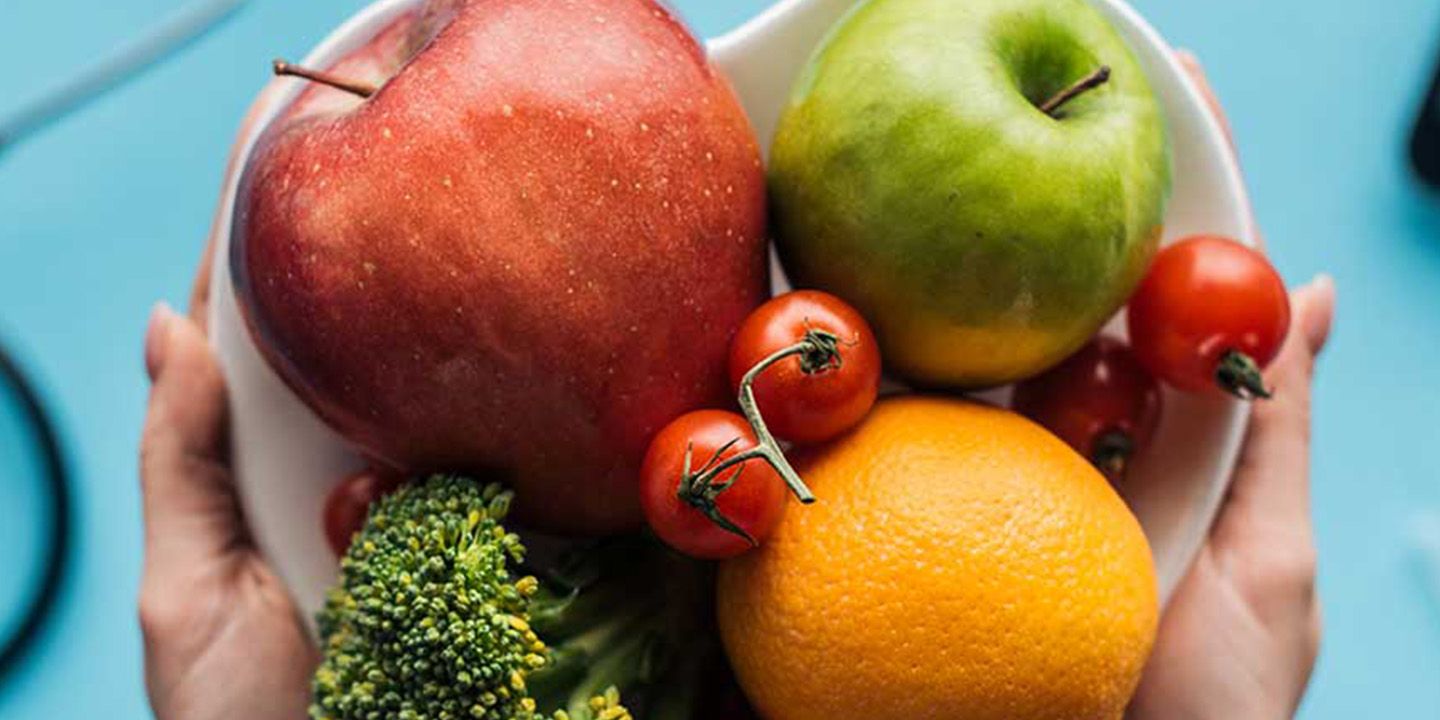
Nutritional content on social media is becoming more trend-driven, often giving simplified or incomplete information that can lead to misunderstandings and misleading dietary practices. Short videos and viral posts frequently promote certain foods as quick fixes for deficiencies, without explaining how nutrients actually function in the body. This is why dietary guidance should always be interpreted through an official and evidence-based lens, ideally with input from certified doctors, nutritionists or registered dietitians who rely on established nutritional science rather than online trends.
This pattern of oversimplification is especially visible when it comes to Vitamin D because fruits are commonly associated with vitamins and general health, and many people assume that increasing fruit intake alone can address low Vitamin D levels. As a result, searches for Vitamin D fruits have become increasingly common.
When this topic is examined through a scientific and clinical lens, an important distinction becomes clear. Vitamin D does not function like most dietary vitamins. Unlike Vitamin C, which is readily obtained from citrus fruits, or potassium, which is commonly associated with bananas, Vitamin D behaves more like a prohormone. It is primarily synthesised in the skin through exposure to UVB rays rather than being supplied in meaningful amounts through plant-based foods.
This biological difference explains why the search for Vitamin D fruits often leads to confusion. Rather than focusing on fruit as a direct source, it becomes necessary to note how this nutrient is produced, how the body absorbs it, and which foods or lifestyle factors genuinely contribute to maintaining healthy levels. A clearer acuity of these mechanisms helps replace assumptions with practical, evidence-based choices for long-term health.
Do Fruits Contain Vitamin D?
Interest in Vitamin D has grown significantly over time, with online search trends for “vitamin D” rising steadily for years and showing a seasonal pattern in many regions as people seek information about deficiency and related health issues.
Despite this public interest and frequent searches for terms like Vitamin D fruits, the scientific reality is clear, and that is most fruits do not contain Vitamin D in any meaningful amount. Vitamin D is a fat-soluble nutrient that the body usually produces when the skin is exposed to ultraviolet B (UVB) rays from sunlight, and it is naturally found in limited food sources that are typically not fruits.
Laboratory analyses show that plant-based foods, including fruits, generally lack Vitamin D because they are primarily composed of water, carbohydrates and fibre rather than the fatty compounds that can hold and transport this nutrient. While fruits provide important vitamins, antioxidants and fibre, they are not reliable direct sources of Vitamin D in their unprocessed form.
So why do many people search for Vitamin D fruits? The confusion usually comes from two sources:
- Fortified Fruit Products: Some fruit juices, such as orange juice, may be fortified with Vitamin D during processing to help increase dietary intake.
- Supportive Nutrients: Certain fruits can contain nutrients that indirectly help Vitamin D metabolism. For example, magnesium helps activate Vitamin D in the body, and fruits like bananas provide magnesium, which supports this process.
Which Foods in the Produce Section Come Closest to Supporting Vitamin D Intake?
Once it is clear that fruits do not naturally provide meaningful amounts of Vitamin D, the focus shifts to identifying foods within the produce and juice section that can still support Vitamin D intake indirectly. While the list of true Vitamin D fruits is technically empty in nature, certain items commonly found near fruits and vegetables can either supply Vitamin D through fortification or help the body absorb and utilise the vitamin more effectively when it is obtained from other sources.
- UV-Treated Mushrooms: Although mushrooms are fungi rather than fruits, they are the only plant-based food capable of producing Vitamin D naturally. Mushrooms contain a compound called ergosterol, which converts into Vitamin D2 when exposed to ultraviolet light, either from sunlight or controlled UV lamps. UV-treated mushrooms can therefore provide a measurable contribution to Vitamin D intake and are often recommended as a suitable option for individuals following plant-forward diets.
- Fortified Orange Juice: Fortified orange juice is often the closest dietary alternative associated with the idea of Vitamin D fruits. Many commercially available brands add Vitamin D2 or D3 during processing, making it a convenient option for individuals who prefer non-dairy sources. Since orange juice does not naturally contain fat, manufacturers use stabilisation methods to improve the absorption of the added vitamin.
- Avocados: Avocados do not contain Vitamin D themselves, but they play an important supporting role in Vitamin D absorption. As a fat-soluble nutrient, Vitamin D is absorbed more efficiently when consumed alongside healthy fats. Avocados are rich in monounsaturated fats, making them an effective dietary companion when taking Vitamin D supplements or consuming foods such as fatty fish.
Together, these options help bridge the gap between dietary habits and Vitamin D needs, even though fruits alone cannot serve as direct sources of the nutrient.
Why Is Vitamin D Often Considered a Silent Deficiency?
Vitamin D deficiency is increasingly recognised as a significant public health concern, particularly in India. Recent data from 2025 indicates that around 46.5 per cent of individuals tested were found to be deficient in Vitamin D, while an additional 26 per cent had insufficient levels, meaning that nearly three-quarters of the tested population showed suboptimal Vitamin D status. What makes this deficiency especially challenging is that symptoms tend to develop gradually and are often attributed to ageing, stress or lifestyle habits rather than an underlying nutritional imbalance.
Vitamin D plays an important role in bone health, immune regulation and muscle function, so reduced levels can affect the body in subtle but wide-ranging ways over time. Because these effects are not always immediately apparent, deficiency may remain undetected unless blood tests are conducted.
Common signs of low Vitamin D levels include:
- Persistent fatigue despite adequate rest
- Bone or back discomfort linked to reduced calcium absorption
- Increased susceptibility to infections
- Slower wound healing
- Low mood or seasonal emotional changes
Vitamin D deficiency is often disregarded due to these non-specific symptoms, which highlights the significance of awareness, regular evaluation, and immediate medical advice.
Where Does the Body Actually Get Vitamin D From?
If we can't rely on a bowl of Vitamin D fruits, where should we be looking? Vitamin D is unique because it is produced internally under specific conditions rather than being supplied primarily through food alone. To maintain healthy levels, the body depends on a combination of environmental exposure, dietary intake and targeted supplementation. The primary sources through which the body receives Vitamin D are outlined below.
How Can Vitamin D Levels Be Optimised Safely and Effectively?
When Vitamin D deficiency is suspected, relying on assumptions or generic advice can lead to inconsistent results. Because this nutrient influences bone strength, immune response and muscle function, correcting low levels requires a measured and evidence-based approach rather than trial and error. Healthcare professionals generally recommend a combination of testing, dietary awareness, supplementation and controlled sun exposure to restore and maintain adequate levels over time.
A structured approach to optimisation includes the following steps:
- Testing and Baseline Assessment: The most reliable way to assess Vitamin D status is through a blood test measuring serum 25-hydroxy Vitamin D levels. This test provides a clear baseline and helps guide appropriate supplementation. In most clinical settings, levels between 30 and 60 ng/mL are considered sufficient for overall health, although individual targets may vary based on medical history.
- Improving Absorption Through Dietary Fat: Vitamin D is a fat-soluble nutrient, which means it is absorbed more efficiently when consumed alongside dietary fat. Supplements or fortified foods are best taken with a main meal that includes healthy fats such as nuts, seeds, olive oil or dairy. Without adequate fat intake, a significant portion of the nutrients may pass through the body unused.
- Supporting Activation Through Magnesium: Magnesium plays an essential role in converting Vitamin D into its active form within the body. Even with adequate Vitamin D intake, low magnesium levels can limit effectiveness. Including magnesium-rich foods such as leafy greens, pumpkin seeds and whole grains supports this metabolic process and improves overall utilisation.
- Strategic and Safe Sun Exposure: Sunlight remains the most natural source of Vitamin D. Short periods of midday sun exposure on uncovered arms and legs can support synthesis, provided local UV levels and skin type are considered. Excessive exposure should be avoided, and sun safety guidelines should always be followed, particularly in high-UV regions.
Testing, diet, supplementation, and lifestyle changes can all help people better control their vitamin D levels and lower their risk of long-term complications from deficiencies.
Conclusion
Although fruits play an essential role in everyday nutrition by providing fibre, antioxidants and supportive micronutrients, they are not a reliable source of Vitamin D. Knowing this difference promotes more efficient methods of sustaining appropriate levels and helps avoid confusion. In order to get enough vitamin D, one must make educated dietary decisions, take the right supplements when necessary, and be mindful of sun exposure, all of which should be based on medical evaluation rather than conjecture.
Taking a proactive approach towards nutritional health also means being prepared for the broader healthcare needs that may arise over time. Regular testing, timely intervention and access to quality medical care together form the foundation of long-term wellbeing. In this context, having dependable health coverage becomes an important part of preventive planning. Niva Bupa Health Insurance helps people and families have access to complete medical care, ensuring that issues with immunity, bone health, or deficiencies can be resolved without causing financial hardship.
You can develop a more resilient approach to health that focuses on long-term wellness and security rather than just chasing specific nutrients by coordinating nutrition awareness with medical readiness and dependable health insurance.
FAQs
1. Is there any natural vitamin D available in fruits?
No, fruits do not naturally contain Vitamin D in meaningful amounts. Vitamin D is fat-soluble and is primarily synthesised by the body through sun exposure or obtained from specific animal-based or fortified foods.
2. Why do people often believe fruits can provide Vitamin D?
This belief usually comes from general associations between fruits and vitamins, as well as the availability of fortified fruit juices. However, fortification is a processing step and does not reflect the natural nutrient content of fruits.
3. Can eating fruits still help with Vitamin D absorption?
Yes, indirectly. While fruits do not supply Vitamin D, some contain nutrients such as magnesium or antioxidants that support Vitamin D metabolism and overall nutritional balance when combined with other sources.
4. Is sunlight enough to maintain healthy Vitamin D levels?
Sun exposure can help, but its effectiveness depends on factors such as skin tone, geography, season, time of day and lifestyle. Many individuals still require dietary sources or supplements to maintain adequate levels.
5. Should Vitamin D levels be tested before taking supplements?
Yes, testing is recommended. A blood test measuring serum 25-hydroxy Vitamin D provides an accurate assessment and helps ensure that supplementation is appropriate, effective and medically guided.
Get right coverage, right premium and the right protection instantly.
 By clicking, I agree to Niva Bupa
 You may also like



Popular Searches
Health Insurance - Health Insurance | Best Family Health Insurance | Best Health Insurance For Senior Citizens In India | Health Insurance With Opd Cover | Mediclaim Insurance | Critical Illness Insurance | Personal Accident Insurance | Mediclaim Policy | Individual Health Insurance | Maternity Insurance | Best Health Insurance company | NRI Health Insurance
Health Insurance Schemes - PMMVY Login | PMJJBY Policy Status | Swasthya Sathi Card | PMSBY | ABHA Card Download | PMJJBY | Ayushman Card | PMMVY 2.0 | Ayushman Vay Vandana Card | PMMVY NIC IN रजिस्ट्रेशन | PMMVY 2.0 लॉगिन
Travel Insurance Plans - Travel Insurance | International Travel Insurance | Student Travel Insurance | Travel Insurance USA | Travel Insurance Canada | Travel Insurance Thailand | Travel Insurance Germany | Travel Insurance Dubai | Travel Insurance Bali | Travel Insurance Australia | Travel Insurance Schengen | Travel Insurance Singapore | Travel Insurance UK | Travel Insurance Vietnam | Travel Insurance Japan | Travel Insurance Spain | Travel Insurance Asia | Travel Insurance Netherlands | Travel Insurance Turkey | Travel Insurance Ireland | Travel Insurance Phillipines | Travel Insurace Italy | Travel Insurance France | Travel Insurance China | Travel Insurance Georgia | Travel Insurance South Africa | Travel Insurance Maldives | Travel Insurance Portugal | Travel Insurance Malaysia | Travel Insurance Qatar | Travel Insurance Poland | Travel Insurance Greece | Travel Insurance New zealand | Travel Insurance Saudi Arabia | Travel Insurance Sri Lanka
Become an Agent - Insurance Agent | Insurance Advisor | Licensed Insurance Agent | Health Insurance Consultant | POSP Insurance Agent | IRDA Certificate Download | IC 38 Exam | Insurance Agent vs POSP | IRDA Exam Syllabus | IRDAI Agent Locator | IRDA exam fee | Paise Kaise Kamaye | Ghar Baithe Paise Kaise Kamaye
Top Hospitals - Best Hospitals in Chennai | Top Hospitals in Delhi | Best Hospitals in Gurgaon | Best Hospitals in India | Top 10 Hospitals in India | Best Hospitals in Hyderabad | Best Hospitals in Kolkata | Best cancer hospitals in Bangalore | Best cancer hospitals in Hyderabad | Best cancer hospitals in Mumbai | Best cancer hospitals in India | Top 10 cancer hospitals in India
Others - Ayushman Bharat | Gst Refund for NRI on Health Insurance Premium | Health Insurance Tax Deductible
Health & Wellness - शिलाजीत के फायदे हिंदी | Weight Gain Diet in Hindi | Sat Isabgol Uses In Hindi | Aloe Vera Juice Benefits in Hindi | Dragon Fruit Benefits in Hindi | Akal Daad in Hindi | Acidity Home Remedies in Hindi | Nikat Drishti Dosh in Hindi | Yoga Benefits in Hindi | Laung Khane ke Fayde in Hindi | Leukoplakia in Hindi | Protien in 100g Paneer | Benefits of Rice Water For Skin | B12 Deficiency Symptoms in Hindi | Fibre Foods in Hindi | Chronic Disease Meaning in Hindi | Vitamin D Foods in Hindi | Blood Urea in Hindi | Beetroot Uses Good for Health
Calculator - BMI Calculator | Pregnancy Calculator | Pregnancy Calendar Based on Conception Date | Pregnancy Conception Date Calculator | Last Menstrual Period Calculator | BMR Calculator | GFR Calculator | Ovulation Calculator



www.nivabupa.com

+91 11 30902010

1860-500-8888

CIN: L66000DL2008PLC182918
IRDAI Registration No. 145

Corporate Office: 3rd Floor, Capital Cyberscape, Sector 59, Gurgaon
Registered Office: C-98, First Floor, Lajpat Nagar, Part 1, Delhi-110024, India


