

Plantar Fasciitis: Symptoms & Treatment
18 December, 2025
7 Shares
304 Reads
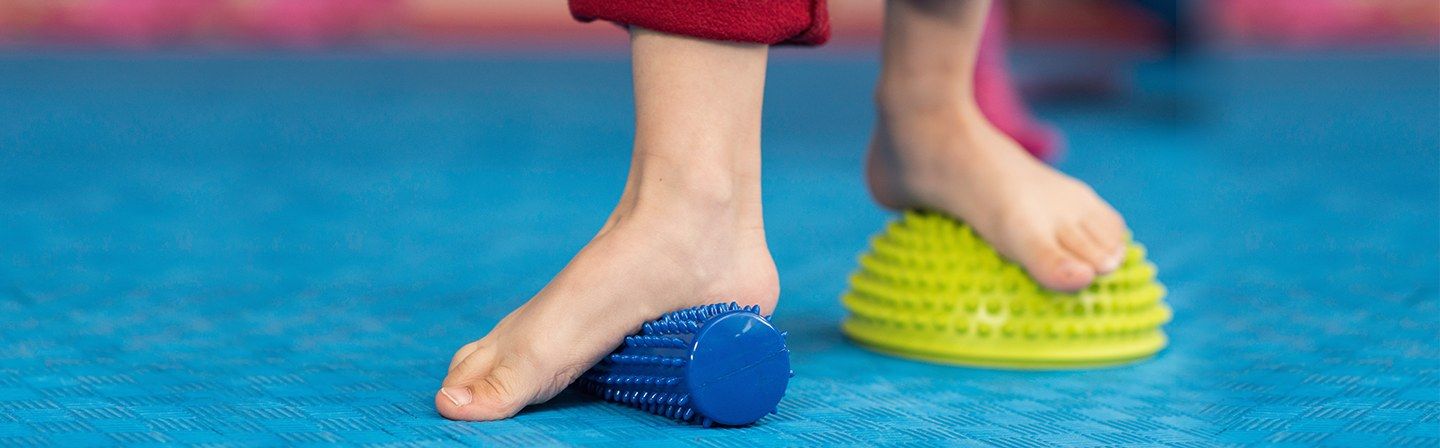
Foot pain can be so very disruptive to daily life. It makes a stroll of small walks a taxing affair, brings discomfort in the mornings, and limits the various activities one can undertake. Of all types of causes that bring persistent heel discomfort, plantar fasciitis remains the most common ailment-especially among adults who have to stand or walk for extended periods of time. Symptoms can be really shocking at the beginning, but with timely care and an appropriate approach, the condition is manageable.
Knowing what plantar fasciitis is, how it develops, and what works best in treatment, people can take better control over their foot health. The condition rarely improves overnight, but often results in significant relief by being consistent with good habits and informed decisions.
Understanding What Plantar Fasciitis is?
The plantar fascia is a thick, fibrous band of tissue running across the bottom of the foot from the heel bone to the toes. It gives the arch its essential support. Every step puts a lot of stress on this band because it absorbs much of the shock to help balance.
Plantar fasciitis results from the inflammation or straining of this tissue. Repeated stress may thus cause minute tears to appear and sharp or aching pain around the heel area. As symptoms often develop quite gradually, rather than suddenly, it is mostly considered difficult to identify precisely what one thing precipitates the condition.
Usual Causes and Triggers
Several factors are involved in plantar fasciitis, and often, more than one factor plays a role. Some common causative agents include:
- Standing for long periods on hard floors.
- This would include walking or running without a proper warm-up.
- Footwear that is devoid of arch support or cushioning
- Sudden Increase in Physical Activity
- Calf muscles that are too tight put abnormal pressure on the heel.
- High arches or flat feet
- Excess weight puts additional stress on the foot.
While plantar fasciitis can affect all individuals, active adults, middle-aged people, and professionals in occupations requiring regular standing are the most commonly involved.
Early Recognition of Symptoms
Early identification of symptoms makes management quite easy. Plantar fasciitis has a characteristic pattern, helping differentiate it from other forms of foot pain.
Key Symptoms that Suggest Plantar Fasciitis
- Sharp heel pain associated with the first steps after waking
- Pain following a long period of rest
- A discomfort that is relieved by activity but recurs later in the day
- Tenderness on the arch of the foot
- Difficulty standing for long periods of time
- Stiffness of the heel, especially in the morning
Morning pain is usually the most reliable symptom. During rest, the fascia contracts, and sudden stretching of it when stepping out of bed causes pain. The pain often subsides during activity as the foot warms up, but may return toward the end of the day after sustained weight bearing.
Why Are Some People More Susceptible to It
Although plantar fasciitis can affect anyone, specific groups of individuals are particularly at risk. Once these risk factors are understood, some keys to prevention and early treatment could be grasped.
Higher risk is seen in:
- Runners, those who frequent the gym, and athletes involved in high-impact sports.
- Teachers, health professionals, hotel staff, shop assistants, and people with jobs where standing is commonly involved for a prolonged period
- Adults from 40-60 years, due to natural loss of elasticity in tissues.
- Increased load on the foot during pregnancy
- People who have flat feet, high arches, or who walk abnormally
- Those who typically wear unsupportive shoes
- Those who abruptly increase the level of exercise without appropriate conditioning
Whereas not all the risk factors are controllable, being aware of them helps in taking precautionary measures like supportive footwear and daily stretching.
How Physicians Approach Diagnosis
Most of the time, diagnosis commences with a physical examination. He presses on the heel and arch to locate tender spots, checks flexibility, and evaluates walking habits to appreciate how the foot moves with each step.
Often, X-rays or ultrasounds may confirm a diagnosis by ruling out problems such as heel spurs or stress fractures. Heel spurs are often not the cause of pain themselves, but give doctors a better picture of what is happening to the foot.
Clear diagnosis is important in the establishment of an effective treatment plan for plantar fasciitis, which would avert long-term complications.
Effective Treatments For Plantar Fasciitis
Treatment for plantar fasciitis centres on inflammation reduction, pain mitigation, and strengthening and flexibility enhancement of the foot. Most patients can achieve non-surgical recovery when measures are followed with continuity. The objective is not only to alleviate discomfort but also to evade recurrence.
Below are the most widely recommended approaches
Rest and Proper Activity Adjustment
One of the initial phases of plantar fasciitis treatment is rest. While complete bed rest is not required, decreasing activities that put stress on the heel is.
Useful changes include:
- Avoid long periods of standing
- Replacement of high-impact exercises with swimming or cycling
- Take short breaks throughout the day to relieve the load off the feet
Rest allows the fascia to heal and stops further irritation.
Importance Of Stretching Exercises
It plays a major role in easing symptoms. The common factor that usually contributes to plantar fascia strain is tight calf muscles. Gentle stretching improves flexibility, reduces tension, and encourages better movement.
Stretches Commonly Recommended
- Standing Calf Stretch against a wall
- Plantar fascia stretch, pulling toes toward the shin
- Rolling the feet with a cold bottle or a massage ball
- Towel stretch by gently pulling the foot upwards
These exercises work better when regularly practised rather than sporadically.
Choosing Supportive Footwear
Footwear is important in recovery. Shoes that do not have a cushioning or arch-supporting feature can aggravate the condition. Supportive footwear improves weight transmission, reducing fascia stress.
Look for features such as:
- Cushioned heels
- Adequate arch support
- Slightly raised heel
- Shock-absorbing soles
- A firm yet comfortable base
Avoid tight shoes, flat slippers, and worn-out trainers. Even indoor footwear should be supportive.
Using Ice to Reduce Swelling
Applying ice manages the inflammation and brings temporary relief. Simple, effective, and can easily be done at home.
Ways of applying ice:
- Application of an ice pack to the heel for 15-20 minutes
- Rolling the foot over a frozen bottle
- Using a chilled massage ball to make small circular motions
- This can be repeated a few times a day as comfort allows.
Orthotic Insoles and Their Advantages
The insoles with orthotics support the arch and balance the pressure on the foot. They are useful for people with flat feet, high arches, or uneven gait.
The insoles may be both over-the-counter and custom-made, depending on the severity of the condition.
Benefits include:
- Improved foot alignment
- Reduced heel stress
- Better weight distribution
- Lower risk of recurrence
Physical Therapy for Long-Term Relief
Physiotherapy plays a very important role in managing persistent or severe plantar fasciitis. A physiotherapist can assess individual movement patterns through physical therapy and prescribe a series of exercises that strengthen the muscles of the foot and lower leg.
This may include:
- Soft tissue manual therapy release
- Strength training exercises
- Balance and mobility training
- Taping techniques supportive of the arch and heel
These regular sessions reduce pain and improve foot function.
Advanced Medical Treatments
Physicians may recommend more advanced treatments if symptoms persist despite constant trying. Advanced treatments are carried out only after trying conservative methods.
Possible treatments include
- Ultrasound therapy
- Steroid injections
- Shockwave Therapy
- Custom Orthotics with Medical Grade Support
Each has its particular merits; the choice is mainly determined by the severity of the condition and by the individual's lifestyle.
Daily Habits to Avoid Recurrence
The prevention of recurrences of plantar fasciitis is as important as its treatment. Daily habits are useful for maintaining the fascia flexible and strong.
Beneficial habits include
- Wearing supportive shoes indoors and outdoors
- Regular stretching of the calves and arches
- Avoid abrupt increases in exercise intensity.
- Regularly replacing old shoes
- Avoid walking barefoot on hard floors.
- Taking regular breaks while standing for long hours
When it comes to foot health in the feet, consistency is key.
When To Seek Medical Care
Though many cases improve with home-based care, medical attention is warranted in the following scenarios: The pain persists for weeks. Swelling or warmth in the heel becomes palpable. It becomes difficult to walk. Numbness or tingling appears. Pain interferes with daily routine or sleep. Seeking early professional help ensures a correct diagnosis, an effective plantar fasciitis treatment plan, and lowers the risk of long-term problems.
Conclusion
Plantar fasciitis may be quite stubborn, but it does yield to persistent care and the right methods. Wearing supportive footwear, stretching, taking rest, and undertaking guided therapy-these are some reasons why most people find that pain reduces over time and movement becomes easier. The understanding of the condition prompts timely action, and for many families, the presence of reliable health insurance cover provides reassurance in catering to medical needs.
We at Niva Bupa have often been able to provide that comfort and, similarly, are in demand for dependable NRI health insurance solutions when NRI Indians are addressing health concerns in India. Early steps and consistent habits bring about long-term foot health, and daily life feels far more comfortable.
FAQs
What is plantar fasciitis and what causes it?
Plantar fasciitis is inflammation of the thick tissue that connects the heel bone to the toes. It is commonly caused by overuse, improper footwear, obesity, or prolonged standing.
What are the most common symptoms of plantar fasciitis?
The main symptom is sharp heel pain, especially with the first steps in the morning. Pain may reduce with movement but often returns after long periods of standing or walking.
Who is at higher risk of developing plantar fasciitis?
People who stand for long hours, athletes, and individuals with flat feet or high arches are at higher risk. Being overweight or wearing unsupportive shoes also increases the risk.
How is plantar fasciitis diagnosed?
Doctors usually diagnose it through a physical examination and discussion of symptoms. Imaging tests like X-rays or ultrasound may be used to rule out other conditions.
What are the most effective home treatments for plantar fasciitis?
Rest, ice application, stretching exercises, and supportive footwear can help relieve pain. Using orthotic insoles and avoiding high-impact activities also aid recovery.
How long does it usually take to recover from plantar fasciitis?
Most people start feeling better within a few weeks with proper care. Complete recovery can take several months depending on severity and treatment consistency.
When should I see a doctor for plantar fasciitis pain?
You should see a doctor if pain persists despite home treatment. Medical help is also needed if pain interferes with daily activities or worsens over time.
Get right coverage, right premium and the right protection instantly.
 By clicking, I agree to Niva Bupa
 You may also like



Popular Searches
Health Insurance - Health Insurance | Best Family Health Insurance | Best Health Insurance For Senior Citizens In India | Health Insurance With Opd Cover | Mediclaim Insurance | Critical Illness Insurance | Personal Accident Insurance | Mediclaim Policy | Individual Health Insurance | Maternity Insurance | Best Health Insurance company | NRI Health Insurance
Health Insurance Schemes - PMMVY Login | PMJJBY Policy Status | Swasthya Sathi Card | PMSBY | PMJJBY | Ayushman Card | PMMVY 2.0 | Ayushman Vay Vandana Card | PMMVY NIC IN रजिस्ट्रेशन | PMMVY 2.0 लॉगिन
Travel Insurance Plans - Travel Insurance | International Travel Insurance | Student Travel Insurance | Travel Insurance USA | Travel Insurance Canada | Travel Insurance Thailand | Travel Insurance Germany | Travel Insurance Dubai | Travel Insurance Bali | Travel Insurance Australia | Travel Insurance Schengen | Travel Insurance Singapore | Travel Insurance UK | Travel Insurance Vietnam | Travel Insurance Japan | Travel Insurance Spain | Travel Insurance Asia | Travel Insurance Netherlands | Travel Insurance Turkey | Travel Insurance Ireland | Travel Insurance Phillipines | Travel Insurace Italy | Travel Insurance France | Travel Insurance China | Travel Insurance Georgia | Travel Insurance South Africa | Travel Insurance Maldives | Travel Insurance Portugal | Travel Insurance Malaysia | Travel Insurance Qatar | Travel Insurance Poland | Travel Insurance Greece | Travel Insurance New zealand | Travel Insurance Saudi Arabia | Travel Insurance Sri Lanka
Become an Agent - Insurance Agent | IRDA Certificate Download | IRDA Exam Syllabus | IRDA exam fee | Paise Kaise Kamaye | Ghar Baithe Paise Kaise Kamaye
Top Hospitals - Best Hospitals in Gurgaon
Others - Ayushman Bharat | Gst Refund for NRI on Health Insurance Premium
Health & Wellness - शिलाजीत के फायदे हिंदी | Weight Gain Diet in Hindi | Sat Isabgol Uses In Hindi | Aloe Vera Juice Benefits in Hindi | Dragon Fruit Benefits in Hindi | Akal Daad in Hindi | Acidity Home Remedies in Hindi | Nikat Drishti Dosh in Hindi | Yoga Benefits in Hindi | Laung Khane ke Fayde in Hindi | Leukoplakia in Hindi | Protien in 100g Paneer | Benefits of Rice Water For Skin | B12 Deficiency Symptoms in Hindi | Fibre Foods in Hindi | Chronic Disease Meaning in Hindi | Vitamin D Foods in Hindi | Blood Urea in Hindi | Beetroot Uses Good for Health
Calculator - BMI Calculator | Pregnancy Calculator | Pregnancy Calendar Based on Conception Date | Pregnancy Conception Date Calculator | Last Menstrual Period Calculator | BMR Calculator | GFR Calculator | Ovulation Calculator



www.nivabupa.com

+91 11 30902010

1860-500-8888

CIN: L66000DL2008PLC182918
IRDAI Registration No. 145

Corporate Office: 3rd Floor, Capital Cyberscape, Sector 59, Gurgaon
Registered Office: C-98, First Floor, Lajpat Nagar, Part 1, Delhi-110024, India


