

Vasectomy Reversal: Success Rates, Recovery & Fertility Outcomes
29 December, 2025
7 Shares
239 Reads
Making decisions about fertility can feel personal and heavy. For men who previously chose a vasectomy but later reconsider, vasectomy reversal becomes an important option to explore. While it does not guarantee natural conception, the procedure can restore the flow of sperm and provide a path toward fatherhood.
In this blog, we will explore what vasectomy reversal involves, the types of procedures available, factors that influence success, how the procedure works, the risks involved, alternatives if reversal is not suitable, and what to expect during recovery.
What Is Vasectomy Reversal?
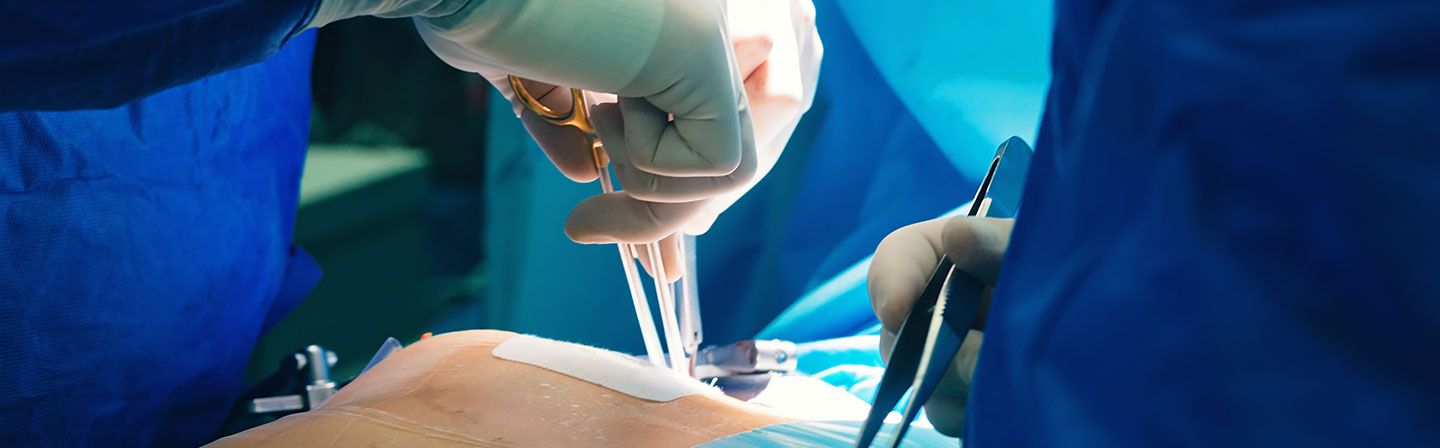
A vasectomy reversal is a microsurgical procedure designed to reconnect the vas deferens, the tubes that were cut during the original vasectomy. The surgery restores the pathway for sperm to travel from the testicles into the ejaculate, potentially allowing natural conception. Most vasectomy reversals are performed as outpatient procedures, meaning you go home the same day. The operation typically takes 3 to 4 hours and is performed under local, regional, or general anaesthesia using an operating microscope to ensure precision in reconnecting the tiny tubes.
Why Men Choose Vasectomy Reversal?
- Change in Desire: Many men seek vasectomy reversal because they want to father biological children after deciding against it earlier. This is the most common reason men pursue the procedure.
- New Relationship: A new relationship or remarriage is another common reason men consider reversing a vasectomy. In a new partnership, the desire to start a family can motivate the decision.
- Life Changes: Men’s long‑term plans sometimes change with age, improved finances, or life events. When family goals evolve, a reversal can reflect that shift.
- Pain or Discomfort: Though rare, some men develop chronic discomfort after a vasectomy. In select cases, reversal can help relieve pain or improve quality of life.
Types of Vasectomy Reversal
Vasectomy reversal is not just one type of surgery. The surgeon decides the best method during the operation by checking the fluid inside the vas deferens. The main goal is always to create a clear path for sperm, but the technique used depends on the type of blockage or scarring.
Vasovasostomy
Vasovasostomy is the most common and simplest type of vasectomy reversal. In this procedure, the surgeon reconnects the two cut ends of the vas deferens.
The surgeon removes any scar tissue, lines up the inner channels of the tubes, and places tiny stitches in several layers. When performed by an experienced microsurgeon, this method has a high chance of success, and sperm often return to the semen.
Vasoepididymostomy
Vasoepididymostomy is a more complex procedure. In this surgery, the surgeon connects the vas deferens directly to the epididymis, a small, coiled tube on the testicle.
This approach is used when there is a blockage in the epididymis, usually caused by pressure building up over many years after a vasectomy. The surgery is delicate because the tubes are very small, so it takes longer and requires finer stitches. Success is possible, but it is generally lower than vasovasostomy because the problem is more complicated.
Redo Vasectomy Reversal
Some men may need a second vasectomy reversal if the first one does not work well. This is called a redo reversal.
Redo surgeries are more challenging because of scar tissue and previous stitches, but they can still restore sperm in many men, especially when performed by surgeons experienced in vasectomy reversals. Doctors will provide honest advice about the chances of success before the procedure.
How Successful Is Vasectomy Reversal
The success of a vasectomy reversal is measured in two ways. First, sperm need to return to the semen, which doctors call patency. Second, the ultimate goal is for the couple to achieve pregnancy and, ideally, a healthy live birth.
Success rates can vary depending on how long it has been since the vasectomy, the age of the partner, and the type of procedure performed. Thanks to modern microsurgery, outcomes have improved significantly. Many men who had a vasectomy less than ten years ago have a good chance of sperm returning when the surgery is done by an experienced surgeon.
Factors That Affect Vasectomy Reversal Success
A vasectomy reversal is not a guaranteed return to fertility. Several factors influence the chances of success, and understanding them can help you and your partner decide if the procedure is the right choice.
Time Since Vasectomy
The shorter the time since the vasectomy, the higher the chances of success. When it has been less than ten years, the sperm pathways are usually less damaged or blocked.
After fifteen to twenty years, pressure can cause damage to the epididymis, making a more complex procedure like vasoepididymostomy necessary, and results can be more variable.
Partner Age and Fertility
Female fertility naturally declines with age, especially after the mid-thirties. Even if the semen looks good after reversal, pregnancy may still be difficult if the partner has low egg reserves or other fertility issues. A fertility check for both partners can help decide whether reversal, IVF, or a combination approach is best.
Type of Procedure
Simple vasovasostomy generally has higher success rates than vasoepididymostomy because it addresses a less severe blockage.
Sometimes one side may need vasoepididymostomy while the other can have vasovasostomy. Even one open side can allow enough sperm for pregnancy, so outcomes can still be good.
Surgeon Skill and Experience
The surgeon’s experience and use of modern microsurgical techniques play a major role in success.
Clinics that specialise in male fertility and perform many reversals usually report better results than low-volume centres.
General Health and Lifestyle
Smoking, obesity, uncontrolled diabetes, and certain medications can reduce sperm quality even after a successful reversal.
Maintaining a healthy weight, getting good sleep, limiting alcohol, and managing long-term health conditions can all support better sperm function over time.
How Does a Vasectomy Reversal Work?
Every hospital may have slightly different routines, but the main steps of a vasectomy reversal are usually the same. Knowing what to expect before, during, and after the surgery can help reduce anxiety and make it easier to prepare at home and at work.
Before Surgery
- Meet a urologist specialising in male fertility to discuss medical history, current medications, and family planning goals.
- Undergo tests such as hormone levels, scrotal ultrasound, and general health checks (blood pressure, blood sugar).
- Partner may have a fertility assessment, especially if over mid-thirties or with known gynaecological issues.
- Stop medications or supplements that increase bleeding risk, like aspirin, certain painkillers, or herbal remedies, as advised.
- Arrange time off work, particularly for jobs involving heavy lifting, prolonged standing, or travel.
- Buy snug, supportive underwear or scrotal support to reduce movement and swelling after surgery.
During Surgery
- Arrive fasting as instructed and meet the anaesthesia team to review your health and the type of anaesthesia.
- Most surgeries use general anaesthesia; some may use spinal anaesthesia, ensuring a pain-free procedure.
- The surgeon makes small incisions in the scrotum to access the vas deferens on each side.
- Fluid from the testicular end of the vas is checked under a microscope to see if it contains sperm, sperm parts, or none.
- Vasovasostomy: Performed if sperm are present; the vas ends are reconnected with fine, layered stitches.
- Vasoepididymostomy: Performed if no sperm and fluid is thick or pasty, indicating a blockage in the epididymis.
- Incisions are closed with dissolvable stitches, and dressings and scrotal support are applied.
After Surgery
- Recovery in the hospital until anaesthesia effects wear off; nurses monitor pain, blood pressure, and comfort.
- Most patients go home the same day; an overnight stay may be needed depending on hospital policy and recovery.
- Rest with scrotum supported, apply cold packs as advised, and keep the area clean and dry for the first two days.
- Avoid strenuous activity, heavy lifting, running, and sexual activity for the period recommended (usually 3–4 weeks).
- Mild to moderate pain is common and can be managed with simple, non-blood-thinning pain medications.
- Semen tests are scheduled several weeks after surgery and later to monitor sperm return and quality.
Risks and Complications
Like any surgical procedure, vasectomy reversal carries some risks. While most men recover without major problems, it is important to understand potential complications before deciding.
Bleeding or Hematoma
- Blood can collect inside the scrotum after surgery, forming a hematoma.
- This can cause swelling, bruising, and moderate pain.
- Most hematomas resolve on their own, but in rare cases, drainage may be required.
- Applying ice packs and wearing a supportive garment can help reduce swelling.
Infection
- Any incision in the scrotum can develop an infection.
- Signs may include redness, warmth, discharge, or fever.
- Most infections respond well to antibiotics.
- Maintaining hygiene and following post-operative instructions reduces the risk.
Chronic or Persistent Pain
- Some men experience long-term discomfort in the testicles or scrotum.
- Pain may arise from nerve irritation, scar tissue, or lingering inflammation.
- Usually manageable with over-the-counter pain relief, but occasionally further treatment is needed.
Low Sperm Count or Absence of Sperm
- In some cases, sperm may not return despite a technically successful surgery.
- Scar tissue or blockage may prevent proper flow even after reconnection.
- Additional procedures may be required in these rare situations.
Recurrence of Blockage
- Over time, the tubes may become blocked again.
- Blockage can be caused by scar tissue or narrowing at the surgical site.
- If blockage occurs, fertility may be affected, and another procedure could be considered.
Anesthesia-Related Risks
- Surgery is typically performed under general or local anaesthesia.
- Rare complications may include allergic reactions, nausea, or other anaesthesia-related effects.
- Discuss your medical history with your anesthesiologist to minimise risk.
Swelling and Bruising
- Mild to moderate swelling and bruising are common in the first week.
- Usually resolves without intervention within a few weeks.
- Wearing a supportive garment helps reduce discomfort and swelling.
Emotional and Psychological Effects
- Fertility procedures can carry emotional stress.
- Men may feel anxious about success rates, recovery, or future fertility.
- Counselling or support groups can help manage stress and expectations.
Alternatives if Reversal Is Not Successful
Vasectomy reversal may not be suitable for everyone. Some men face lower success rates due to time since vasectomy, surgical challenges, or partner fertility. In such cases, other options can help achieve pregnancy.
IVF with Sperm Retrieval
If sperm cannot travel naturally, it can be retrieved directly from the testicles or epididymis and used for in vitro fertilisation. This bypasses the need for a reversal and offers a pathway to pregnancy, though it may involve higher costs and multiple cycles.
Sperm Banking
Sperm can be collected and frozen for future use before attempting a reversal. This provides a backup if the procedure fails or sperm return is delayed, giving couples more flexibility and peace of mind.
Donor Sperm
When natural conception is not possible, donor sperm can be used for intrauterine insemination or IVF. This option ensures a chance of pregnancy without surgery and is considered when other methods are unlikely to succeed.
Wrapping Up
A vasectomy reversal can give men the chance to restore fertility and pursue natural conception. Success depends on factors like the time since the original vasectomy, the type of procedure, the surgeon's experience, and the partner's fertility. Recovery requires care, patience, and follow-up to monitor sperm return, while being aware of potential risks like infection, bleeding, or chronic discomfort.
For NRIs considering surgery, vasectomy reversal can be expensive abroad, but India offers high-quality care at a lower cost. Health coverage options like Niva Bupa NRI Health Insurance can help manage expenses for surgery and follow-up, making it easier to focus on health insurance and family planning with confidence.
People Also Ask
Can a vasectomy reversal be done more than once?
Yes, a second reversal is possible if the first procedure fails, but success rates may be lower than the initial attempt.
How long should I wait after a vasectomy before considering reversal?
While reversal can be attempted anytime, success is generally higher if done within 3 to 8 years after the vasectomy.
Does age affect reversal success?
Yes, both the man’s and partner’s age can influence fertility outcomes, with younger ages generally associated with higher pregnancy chances.
Can lifestyle changes improve reversal outcomes?
Maintaining a healthy weight, avoiding smoking, and limiting alcohol can support recovery and sperm quality post-surgery.
How soon after reversal can I have children?
Sperm may return in semen within a few weeks to several months, but natural conception can take longer, depending on sperm count and partner fertility.
Get right coverage, right premium and the right protection instantly.
 By clicking, I agree to Niva Bupa
 You may also like



Popular Searches
Health Insurance - Health Insurance | Best Family Health Insurance | Best Health Insurance For Senior Citizens In India | Health Insurance With Opd Cover | Mediclaim Insurance | Critical Illness Insurance | Personal Accident Insurance | Mediclaim Policy | Individual Health Insurance | Maternity Insurance | Best Health Insurance company | NRI Health Insurance
Health Insurance Schemes - PMMVY Login | PMJJBY Policy Status | Swasthya Sathi Card | PMSBY | PMJJBY | Ayushman Card | PMMVY 2.0 | Ayushman Vay Vandana Card | PMMVY NIC IN रजिस्ट्रेशन | PMMVY 2.0 लॉगिन
Travel Insurance Plans - Travel Insurance | International Travel Insurance | Student Travel Insurance | Travel Insurance USA | Travel Insurance Canada | Travel Insurance Thailand | Travel Insurance Germany | Travel Insurance Dubai | Travel Insurance Bali | Travel Insurance Australia | Travel Insurance Schengen | Travel Insurance Singapore | Travel Insurance UK | Travel Insurance Vietnam | Travel Insurance Japan | Travel Insurance Spain | Travel Insurance Asia | Travel Insurance Netherlands | Travel Insurance Turkey | Travel Insurance Ireland | Travel Insurance Phillipines | Travel Insurace Italy | Travel Insurance France | Travel Insurance China | Travel Insurance Georgia | Travel Insurance South Africa | Travel Insurance Maldives | Travel Insurance Portugal | Travel Insurance Malaysia | Travel Insurance Qatar | Travel Insurance Poland | Travel Insurance Greece | Travel Insurance New zealand | Travel Insurance Saudi Arabia | Travel Insurance Sri Lanka
Become an Agent - Insurance Agent | IRDA Certificate Download | IRDA Exam Syllabus | IRDA exam fee | Paise Kaise Kamaye | Ghar Baithe Paise Kaise Kamaye
Top Hospitals - Best Hospitals in Gurgaon
Others - Ayushman Bharat | Gst Refund for NRI on Health Insurance Premium
Health & Wellness - शिलाजीत के फायदे हिंदी | Weight Gain Diet in Hindi | Sat Isabgol Uses In Hindi | Aloe Vera Juice Benefits in Hindi | Dragon Fruit Benefits in Hindi | Akal Daad in Hindi | Acidity Home Remedies in Hindi | Nikat Drishti Dosh in Hindi | Yoga Benefits in Hindi | Laung Khane ke Fayde in Hindi | Leukoplakia in Hindi | Protien in 100g Paneer | Benefits of Rice Water For Skin | B12 Deficiency Symptoms in Hindi | Fibre Foods in Hindi | Chronic Disease Meaning in Hindi | Vitamin D Foods in Hindi | Blood Urea in Hindi | Beetroot Uses Good for Health
Calculator - BMI Calculator | Pregnancy Calculator | Pregnancy Calendar Based on Conception Date | Pregnancy Conception Date Calculator | Last Menstrual Period Calculator | BMR Calculator | GFR Calculator | Ovulation Calculator



www.nivabupa.com

+91 11 30902010

1860-500-8888

CIN: L66000DL2008PLC182918
IRDAI Registration No. 145

Corporate Office: 3rd Floor, Capital Cyberscape, Sector 59, Gurgaon
Registered Office: C-98, First Floor, Lajpat Nagar, Part 1, Delhi-110024, India


