

Atherosclerosis Explained: Symptoms, Risk Factors, and Treatment Options
21 May, 2026
9 Shares
189 Reads
In the apparent name of convenience and comfort, the modern way of life has unintentionally led to a consistent increase in cardiovascular diseases, which remain asymptomatic to a large extent until they cause life-threatening conditions. The causes of these decreases in thickness of the inner lining of the blood vessels are sedentary life, high amounts of processed foods and unhealthy fats, chronic stress, smoking, and insufficient sleep, which weaken the inner lining over time. These aspects cause inflammation with time and facilitate the accumulation of fatty tissue in the arteries, unnoticed, but escalating the risk of serious cardiac and circulatory consequences. To understand the seriousness of cardiovascular diseases, it is important to first clarify what is atherosclerosis and how it develops silently over time.
One of the most popular but misconstrued disorders among these is atherosclerosis. It is not an old-age disease, but a progressive, gradual inflammatory process that may even start in childhood as childhood sets in. The cholesterol, calcium, and other factors accumulate along the walls of the arteries in the form of plaque, which narrows and stiffens the vessels that carry oxygenated blood to the body organs. Many people remain unaware of what is atherosclerosis until it leads to a major event such as a heart attack or stroke.
What is Atherosclerosis?
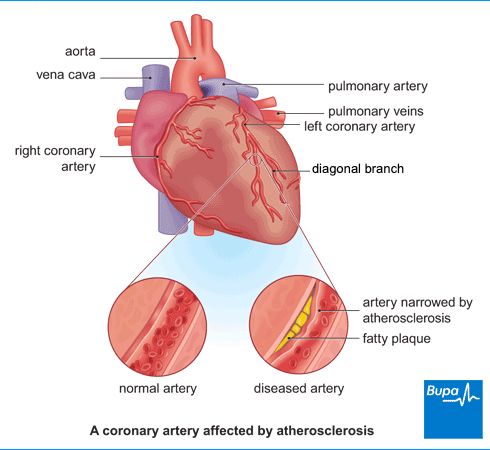
Managing the condition of the heart, it is always necessary to respond to the primary question: What is atherosclerosis? Atherosclerosis is, at its most fundamental level, a situation whereby the arteries are thickened and hardened. The arteries are said to be high-pressure pipes and are where the blood in the blood vessels receives oxygen, which must then be distributed by the heart to other parts of the body. In good health, these vessels are pliable, tough and possess smooth inner linings.
But with time, there comes the formation of a substance called plaque, which is made up of fats, cholesterol, and calcium, among other things that are present in the bloodstream; these tend to accumulate within the walls of the arteries. This accumulation eventually goes through a process of calcification, which makes the previously pliable arteries stiff and narrow. This constraint reduces the blood flow of oxygenated blood, which causes the heart to put more effort and exposes the tissue locally to damage. This process helps clarify what is atherosclerosis beyond just cholesterol, as inflammation and calcification also play a critical role.
Atherosclerosis should be differentiated from arteriosclerosis. Although the latter refers to the overall stiffening of the arteries, atherosclerosis is a form of arteriosclerosis, a disease that is a result of the deposition of plaque. Since this process occurs in the inner regions of the vascular system, a widespread fact is that most people are not aware of the condition until the occasion when an artery has become partially or seriously blocked, resulting in a medical emergency (a heart attack or a stroke).
Normal and asymptomatic Atherosclerosis Symptoms
In the early stages, atherosclerosis symptoms are often absent, making the condition particularly dangerous. The majority of the population will have zero symptoms of atherosclerosis before the diameter of the arteries is decreased by over 50 per cent, or when the plaque breaks off, resulting in an acute clot of blood. The atherosclerosis symptoms that a particular person experiences are all dependent on the arteries being affected.
Coronary Arteries Symptoms
As the arteries to the heart become lined by the deposition of plaque (Coronary Artery Disease), the first manifestation is angina, or chest pains. This has been referred to as a pressure, a squeeze or heaviness in the chest. It normally arises during exercise or intense emotional situations where the heart may need an extra oxygen supply, and the constricted arteries lack the capacity to deliver the physical activity required. Shortness of breath and overwhelming fatigue with normal activities are also other indicators.
Symptoms in the Carotid Arteries
Carotid arteries are on either side of the neck and run into the forehead, visible on either side of the head. Blood provision to the brain is done by the carotid arteries. Once these narrow, the symptoms are neurological and should be acted upon on an urgent basis. Neurological warning signs such as slurred speech and sudden weakness are serious atherosclerosis symptoms linked to carotid artery narrowing. They are usually progenitors of a stroke or a Transient Ischemic Attack (TIA).
Symptoms in the Periphery Arteries
Pain in the calf, forearm, and snuff-box, accompanied by coldness in the extremities. Peripheral Artery Disease (PAD) is atherosclerosis in the legs and arms. Claudication is one of the major atherosclerosis symptoms in this case and refers to pain or cramps in the legs of the person when they walk, and it disappears with rest. It can also be accompanied by coldness of the lower leg or foot, soreness of the toes, which are not healed, and a change of colour of legs skin.
Symptoms of the Renal Arteries
In case the arteries that take blood to the kidneys are involved, it may cause Chronic Kidney Disease. The symptoms may include high blood pressure, hard to treat with medication, swelling of hands and feet (oedema) and urinary modification. Hence, high blood pressure and fluid retention may indicate atherosclerosis symptoms involving the renal arteries.
Primary Risk Factors: Why Plaque Builds Up
Atherosclerosis is a disease that hardly has one cause. It is rather commonly a combination of a series of physiological and lifestyle factors that cause damage to the inner layer of the arteries (lining) (endothelium). When such a lining is broken, they become sticky and enables the adhesion of cholesterol and white blood cells, which start the development of plaque.
Liver Problems, Cholesterol Relations, Triglyceride Problems
The major constituents of plaque are high amounts of Low-Density lipoprotein (LDL), commonly referred to as bad cholesterol. In case of excess LDL in the blood, it oozes on the ruptured walls of the arteries. On the contrary, the insufficiency of the High-Density lipoprotein(HDL), which is referred to as the good cholesterol that transports the fats off the arteries, can speed up the progression of the disease.
High Blood Pressure (Hypertension)
Frequently elevated blood pressure subjects the arteries to physical stress and exposure to micro-tears and damage. This mechanical force enhances the speed of the hardening process and facilitates the formation of plaque.
Insulin Resistance and Diabetes
Higher glucose levels are very inflammatory. In a person with diabetes, the glucose in the blood damages the blood vessels and may lead to the destruction of blood vessels over time. Moreover, diabetic individuals have correlated lipid diseases, which present a storm to form plaque quickly.
Treatment Options: Managing and Reversing the Impact
Treatment for atherosclerosis focuses on two goals: slowing the progression of plaque buildup and preventing the formation of blood clots that cause strokes or heart attacks.
Medical Management
Medication treatment is widely used. Statins are also often administered to reduce the LDL cholesterol levels, and they also have the added advantage of stabilising the already existing plaque, so that it is not easily broken. Doctors can also prescribe drugs to prevent clots, such as aspirin; to control blood pressure, such as a beta-blocker or ACE inhibitor, and reduce workload on the heart by prescribing blood thinners (antiplatelet medications).
Minimally Invasive Interventions and Surgical.
Medical procedures may sometimes be needed in a situation where a blockage is extreme:
Angioplasty and Stenting: A balloon catheter is added to the blocked artery. A balloon is inserted in order to expand the vessel, which is subsequently held open by a tiny mesh tube known as its stent.
- Endarterectomy: surgery done to wipe away the plaque using a body part such as the finger, usually done in the carotid arteries.
- Bypass surgery: This is done by making a new channel of blood flow by using a healthy vessel from another part of the body instead of the obstructed artery.
Conclusion
Atherosclerosis is a giant of a health issue, yet it is controllable and even preventable with proper knowledge, along with measures. Recognising atherosclerosis symptoms early and understanding what is atherosclerosis are key to preventing life-threatening complications. It is an investment in a vascular future to be tackling today's risk factors, high cholesterol, smoking and high blood pressure. With timely lifestyle changes and medical care, many atherosclerosis symptoms can be controlled or prevented altogether.
But medical journeys are very erratic. Protecting the financial future of your family in case of expensive heart-related hospitalisations and operations is a requirement that should be put into consideration with a good insurance provider. With the Niva Bupa Health Insurance, there is a wide coverage for critical illnesses, and you need not worry about the out-of-pocket costs in seeking the best medical facilities. It is important to be in control of your own health in terms of heart-related matters, and it requires not only lifestyle discipline but also the appropriate financial defence.
FAQs
1. What is the definition of atherosclerosis?
Atherosclerosis is a particular condition of the cardiovascular system associated with the thickening and hardening of the wall of the arteries. This is caused by the fact that a sticky form of cholesterol, fatty molecules, calcium, and cellular waste called plaque, is accumulated on the inner lining of the arteries. In the long run, this accumulation limits the supply of oxygen-rich blood to the important organs and may cause serious complications such as heart attacks or strokes under the condition that the arteries have become considerably narrowed or clogged.
2. What are 5 symptoms of atherosclerosis?
This is due to the fact that atherosclerosis, in most cases, proceeds without showing any symptoms in the beginning years and only becomes evident when an artery is very narrowed down, or even when an artery is blocked entirely. One of the common atherosclerosis symptoms is angina or a sense of pressure or chest pain, which can be caused by a lack of oxygen in the heart muscle.
The second symptom is shortness of breath, which usually comes with any physical activity as the cardiovascular system works hard to keep pace with the oxygen requirements. The third symptom is the pain or cramping in the legs when performing an activity, a phenomenon called claudication, which means a decrease in blood flow to the limbs. The fourth symptom may be a sudden numbness or weakness of the arms or legs, and it is a symptom that frequently indicates problems with the carotid arteries that run to the brain. Last but not least, people can also feel slurred speech or temporary loss of vision, which are the crucial warning symptoms that demand medical care.
3. How do they fix atherosclerosis?
The treatment and prevention of atherosclerosis encompasses complex multi-layered management and treatment that, in the first stage, includes aggressive lifestyle modifications, including a heart-healthy diet and a higher level of physical activity, as ways to enhance vascular health. Physicians often prescribe such drugs as statins to reduce the level of bad cholesterol and blood thinners in order to prevent the development of dangerous clots on the existing plaque. In difficult situations, surgical treatment is required to renew the blood supply. This may involve angioplasty, in which a small balloon is inflated to open the artery, and a stent is inserted to hold it open or bypass surgery that creates a new route around the obstruction using a healthy blood vessel elsewhere in the body.
4. At what age does atherosclerosis start?
It is progressive, and in fact, atherosclerosis starts way earlier than the majority of them comprehend or suspect, and in the majority of cases, atherosclerosis starts off either in childhood or during adolescence. Although the clinical manifestations and the key health events such as heart attacks tend to inflict injury at middle age or later, initial fatty streaks may develop in the arterial perimeters in the first or even second decade of life. Genetics, early eating patterns and exposure to secondhand smoke can hasten this premature process and therefore lifelong prevention is a major strategy against heart diseases.
Get right coverage, right premium and the right protection instantly.
 By clicking, I agree to Niva Bupa
 You may also like



Popular Searches
Health Insurance - Health Insurance | Best Family Health Insurance | Best Health Insurance For Senior Citizens In India | Health Insurance With Opd Cover | Mediclaim Insurance | Critical Illness Insurance | Personal Accident Insurance | Mediclaim Policy | Individual Health Insurance | Maternity Insurance | Best Health Insurance company | NRI Health Insurance
Health Insurance Schemes - PMMVY Login | PMJJBY Policy Status | Swasthya Sathi Card | PMSBY | PMJJBY | Ayushman Card | PMMVY 2.0 | Ayushman Vay Vandana Card | PMMVY NIC IN रजिस्ट्रेशन | PMMVY 2.0 लॉगिन
Travel Insurance Plans - Travel Insurance | International Travel Insurance | Student Travel Insurance | Travel Insurance USA | Travel Insurance Canada | Travel Insurance Thailand | Travel Insurance Germany | Travel Insurance Dubai | Travel Insurance Bali | Travel Insurance Australia | Travel Insurance Schengen | Travel Insurance Singapore | Travel Insurance UK | Travel Insurance Vietnam | Travel Insurance Japan | Travel Insurance Spain | Travel Insurance Asia | Travel Insurance Netherlands | Travel Insurance Turkey | Travel Insurance Ireland | Travel Insurance Phillipines | Travel Insurace Italy | Travel Insurance France | Travel Insurance China | Travel Insurance Georgia | Travel Insurance South Africa | Travel Insurance Maldives | Travel Insurance Portugal | Travel Insurance Malaysia | Travel Insurance Qatar | Travel Insurance Poland | Travel Insurance Greece | Travel Insurance New zealand | Travel Insurance Saudi Arabia | Travel Insurance Sri Lanka
Become an Agent - Insurance Agent | IRDA Certificate Download | IRDA Exam Syllabus | IRDA exam fee | Paise Kaise Kamaye | Ghar Baithe Paise Kaise Kamaye
Top Hospitals - Best Hospitals in Gurgaon
Others - Ayushman Bharat | Gst Refund for NRI on Health Insurance Premium
Health & Wellness - शिलाजीत के फायदे हिंदी | Weight Gain Diet in Hindi | Sat Isabgol Uses In Hindi | Aloe Vera Juice Benefits in Hindi | Dragon Fruit Benefits in Hindi | Akal Daad in Hindi | Acidity Home Remedies in Hindi | Nikat Drishti Dosh in Hindi | Yoga Benefits in Hindi | Laung Khane ke Fayde in Hindi | Leukoplakia in Hindi | Protien in 100g Paneer | Benefits of Rice Water For Skin | B12 Deficiency Symptoms in Hindi | Fibre Foods in Hindi | Chronic Disease Meaning in Hindi | Vitamin D Foods in Hindi | Blood Urea in Hindi | Beetroot Uses Good for Health
Calculator - BMI Calculator | Pregnancy Calculator | Pregnancy Calendar Based on Conception Date | Pregnancy Conception Date Calculator | Last Menstrual Period Calculator | BMR Calculator | GFR Calculator | Ovulation Calculator



www.nivabupa.com

+91 11 30902010

1860-500-8888

CIN: L66000DL2008PLC182918
IRDAI Registration No. 145

Corporate Office: 3rd Floor, Capital Cyberscape, Sector 59, Gurgaon
Registered Office: C-98, First Floor, Lajpat Nagar, Part 1, Delhi-110024, India


