

Choledocholithiasis: Symptoms, Causes and Treatment
2 February, 2026
7 Shares
273 Reads
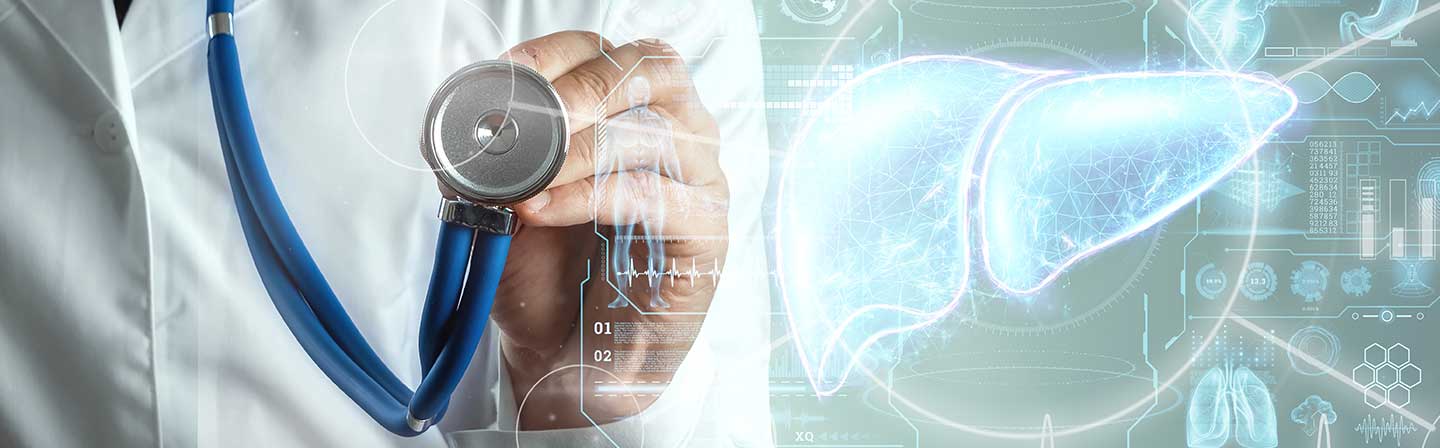
Gallstones are a common health issue that many people live with for years without even noticing them, as they often sit quietly in the gallbladder without causing any major symptoms. However, this common problem can turn into a serious medical emergency when a gallstone moves out of place and blocks the common bile duct, leading to a condition known as choledocholithiasis.
Such complications can be prevented with early understanding and timely treatment, while ignoring warning signs may lead to severe pain and prolonged hospital stays. In this blog, we will explore what happens when stones move, how doctors locate them, and the steps required to manage this condition effectively.
What Is Choledocholithiasis?
Choledocholithiasis occurs when gallstones lodge in the common bile duct, the channel that carries bile from the liver and gallbladder to the small intestine to aid fat digestion. In most cases, these stones originate in the gallbladder and later migrate into the duct, while some form directly within the duct due to infection or impaired bile flow. Although smaller stones may pass on their own, larger stones can obstruct bile flow, leading to pain and serious complications.
What Are The Symptoms of Choledocholithiasis?
A blocked bile duct can disrupt digestion and affect nearby organs. When this happens, the body begins to show clear warning signs that help indicate when medical care is needed.
Abdominal pain
This is usually the earliest and most prominent symptom. The pain is usually sharp or cramping and is felt in the upper right abdomen or just below the breastbone. Which may spread to the right shoulder or between the shoulder blades. The pain can last from minutes to several hours and often worsens after eating fatty meals, as the body attempts to push bile through the blocked duct.
Nausea and vomiting
Your digestive system struggles significantly when bile cannot get through to the intestine. This causes a sudden feeling of sickness in your stomach. You may vomit as your body reacts to the pain and the digestive disruption. Unlike a stomach bug, this nausea does not usually go away after vomiting. The pressure remains in the duct, so the feeling of sickness persists.
Jaundice
Jaundice is one of the most alarming signs of a blockage, where the skin and whites of the eyes may turn yellow due to a buildup of bilirubin in the blood. When the bile duct is blocked, bilirubin cannot exit the body through digestion and instead leaks back into the bloodstream, resulting in the yellow discolouration.
Fever
Fever is a serious sign that often indicates infection in the blocked bile duct. When it occurs alongside abdominal pain and jaundice, it suggests bacterial infection and requires immediate medical attention to prevent the infection from spreading.
What are the Key Factors?
Choledocholithiasis develops due to a combination of factors rather than occurring by chance. Infections, genetic conditions, lifestyle habits, and underlying health issues can increase the risk of gallstone formation and bile duct obstruction, making awareness of these factors important for early identification.
Infectious Causes
Choledocholithiasis is most commonly associated with the formation of gallstones. However, additional factors may also contribute to its development. Biliary infections, such as cholangitis, can lead to inflammation within the bile ducts, which may promote stone formation.
Genetic and Autoimmune Causes
Genetic factors can increase the risk of gallstone formation, particularly in conditions related to cholesterol, such as familial hyperlipidaemia. Additionally, autoimmune diseases such as primary sclerosing cholangitis can narrow the bile ducts, increasing the risk of choledocholithiasis.
Dietary and Lifestyle Causes
Diet and lifestyle strongly influence the risk of gallstones. Unhealthy eating habits, especially diets high in fat and cholesterol and low in fibre, increase the chances of stone formation. This risk is further raised by obesity, physical inactivity, rapid weight loss, and certain medications such as hormone replacement therapy.
Key Factors
- Age: The chances of developing gallstones increase with advancing age, particularly among individuals over 40 years.
- Gender: Women have a higher risk than men, especially during pregnancy or with the use of hormonal contraceptives.
- Underlying Medical Conditions: Disorders such as diabetes mellitus, liver disease, and haemolytic anemia are associated with an increased risk of choledocholithiasis.
What are the Complications of Choledocholithiasis?
Ignoring the signs of a blocked duct can lead to much worse problems, as the blockage can hurt other organs and create a breeding ground for bacteria, which can cause permanent damage to the internal organs.
Infection
When bile becomes blocked and stagnant, bacteria can grow rapidly. This can lead to infection, which may spread from the bile ducts into the bloodstream and cause life-threatening diseases such as sepsis.
Cholecystitis
This is inflammation of the gallbladder caused by blocked bile flow, where the gallbladder swells as it tries to empty, leading to pain and wall thickening, and if left untreated, the tissue can die and rupture, causing a serious abdominal infection.
Gallstone pancreatitis
The common bile duct and pancreatic duct intersect before entering the intestine, so a stone can block both at once. This traps digestive enzymes in the pancreas, causing them to damage the pancreas itself, which results in severe inflammation and intense central abdominal pain.
How is Choledocholithiasis Diagnosed?
These complications can be serious and frightening, making early diagnosis essential. Doctors use blood tests and advanced imaging to detect infection and locate the stone so treatment can begin quickly.
Complete blood count
A complete blood count, or CBC, measures the different cells in your blood. The doctor looks specifically at the white blood cell count. A high number of white blood cells usually indicates that your body is fighting an infection. This tells the doctor if the blockage has led to complications like cholangitis.
Bilirubin test
This blood test measures the level of bilirubin in your system. High levels indicate that bile is not draining properly. It confirms the physical symptoms of jaundice. The doctor looks at both total bilirubin and direct bilirubin to pinpoint that the problem is a blockage rather than a liver disease.
Pancreas function tests
These tests measure enzymes called amylase and lipase. If these levels are very high, it suggests the pancreas is irritated. This helps the doctor determine if the stone has caused gallstone pancreatitis.
Liver function tests
These are a group of blood tests that check how well your liver is working. They look for enzymes like alkaline phosphatase (ALP), ALT, and AST. High levels of ALP are particularly linked to blocked bile ducts. It shows that the liver is under stress due to the backup of bile.
Abdominal ultrasound
This is often the first imaging test performed. It is non-invasive and uses sound waves to create pictures. It can easily show if the bile ducts are widened, which suggests a blockage. However, it is not always possible to see the stone itself if it is deep inside the duct.
Endoscopic ultrasound
This is a more specialised test. The doctor uses a thin, flexible tube with an ultrasound probe on the end. The tube is passed down your throat into your stomach. Because the probe gets very close to the bile duct from the inside, it provides detailed images. It is excellent for finding smaller stones that a regular ultrasound might miss.
MRCP
MRCP stands for Magnetic Resonance Cholangiopancreatography. It is a specific type of MRI exam. It uses magnetic fields to create detailed pictures of the liver, gallbladder, and bile ducts. It is non-invasive and provides a very clear "road map" of the ducts. It helps the surgeon see exactly how many stones there are and where they are located.
ERCP
ERCP stands for Endoscopic Retrograde Cholangiopancreatography. This is a procedure that combines X-rays with the use of an endoscope. It is unique because it can be used to both diagnose the problem and treat it at the same time. The doctor injects dye into the ducts to make them show up clearly on X-rays.
How is Choledocholithiasis Treated?
The main aim of treatment is to remove the blockage. Once the stone is cleared, pain reduces, and the risk of infection goes down, then doctors usually remove the stone first and then suggest surgery to prevent future problems.
The most common method is ERCP. During this procedure, you are given sedation, and a thin flexible tube is passed through the mouth to reach the bile duct. Small tools are used to widen the duct opening and remove the stone using a tiny basket or balloon. After this, doctors often recommend gallbladder removal surgery (cholecystectomy). This is usually done through small keyhole cuts and helps prevent new stones from forming and causing the same issue again. Since treatment often involves procedures, hospitalisation, and surgery, the overall cost can be high in India due to rising medical inflation. In such situations, a reliable health cover like Niva Bupa NRI Health Insurance helps manage these expenses and provides financial support during a medical emergency.
Wrapping Up
Choledocholithiasis may not cause noticeable symptoms initially, but it can become serious once the bile duct is obstructed. What begins as mild discomfort can gradually worsen and lead to complications if medical care is delayed, making early recognition of warning signs essential.
With timely diagnosis and appropriate treatment, the condition can be managed effectively. Procedures such as ERCP help remove the blockage, while gallbladder surgery may be recommended to prevent recurrence. Early intervention not only relieves symptoms but also supports safer recovery and improved long-term health outcomes.
FAQs
1. Can the stone pass on its own?
Small stones can sometimes pass into the intestine without help. However, waiting is risky because of the high chance of infection or pancreatitis. Doctors usually recommend removing the stone to be safe.
2. How long does recovery take after ERCP?
Recovery is usually quick. Most people can go home the same day or the next day. You might have a sore throat or some bloating, but you can typically return to normal activities within a couple of days.
3. Will I need to change my diet after treatment?
If you have your gallbladder removed, you might need to limit fatty foods for a few weeks. Your body will adapt to digesting fat without a gallbladder, and most people return to a regular diet eventually.’
4. Can stress cause bile duct stones?
Stress does not directly cause stones. However, stress can affect your digestion and eating habits, which might contribute to gallbladder issues over time.
Get right coverage, right premium and the right protection instantly.
 By clicking, I agree to Niva Bupa
 You may also like

Popular Searches
Health Insurance - Health Insurance | Best Family Health Insurance | Best Health Insurance For Senior Citizens In India | Health Insurance With Opd Cover | Mediclaim Insurance | Critical Illness Insurance | Personal Accident Insurance | Mediclaim Policy | Individual Health Insurance | Maternity Insurance | Best Health Insurance company | NRI Health Insurance
Health Insurance Schemes - PMMVY Login | PMJJBY Policy Status | Swasthya Sathi Card | PMSBY | PMJJBY | Ayushman Card | PMMVY 2.0 | Ayushman Vay Vandana Card | PMMVY NIC IN रजिस्ट्रेशन | PMMVY 2.0 लॉगिन
Travel Insurance Plans - Travel Insurance | International Travel Insurance | Student Travel Insurance | Travel Insurance USA | Travel Insurance Canada | Travel Insurance Thailand | Travel Insurance Germany | Travel Insurance Dubai | Travel Insurance Bali | Travel Insurance Australia | Travel Insurance Schengen | Travel Insurance Singapore | Travel Insurance UK | Travel Insurance Vietnam | Travel Insurance Japan | Travel Insurance Spain | Travel Insurance Asia | Travel Insurance Netherlands | Travel Insurance Turkey | Travel Insurance Ireland | Travel Insurance Phillipines | Travel Insurace Italy | Travel Insurance France | Travel Insurance China | Travel Insurance Georgia | Travel Insurance South Africa | Travel Insurance Maldives | Travel Insurance Portugal | Travel Insurance Malaysia | Travel Insurance Qatar | Travel Insurance Poland | Travel Insurance Greece | Travel Insurance New zealand | Travel Insurance Saudi Arabia | Travel Insurance Sri Lanka
Become an Agent - Insurance Agent | IRDA Certificate Download | IRDA Exam Syllabus | IRDA exam fee | Paise Kaise Kamaye | Ghar Baithe Paise Kaise Kamaye
Top Hospitals - Best Hospitals in Gurgaon
Others - Ayushman Bharat | Gst Refund for NRI on Health Insurance Premium
Health & Wellness - शिलाजीत के फायदे हिंदी | Weight Gain Diet in Hindi | Sat Isabgol Uses In Hindi | Aloe Vera Juice Benefits in Hindi | Dragon Fruit Benefits in Hindi | Akal Daad in Hindi | Acidity Home Remedies in Hindi | Nikat Drishti Dosh in Hindi | Yoga Benefits in Hindi | Laung Khane ke Fayde in Hindi | Leukoplakia in Hindi | Protien in 100g Paneer | Benefits of Rice Water For Skin | B12 Deficiency Symptoms in Hindi | Fibre Foods in Hindi | Chronic Disease Meaning in Hindi | Vitamin D Foods in Hindi | Blood Urea in Hindi | Beetroot Uses Good for Health
Calculator - BMI Calculator | Pregnancy Calculator | Pregnancy Calendar Based on Conception Date | Pregnancy Conception Date Calculator | Last Menstrual Period Calculator | BMR Calculator | GFR Calculator | Ovulation Calculator



www.nivabupa.com

+91 11 30902010

1860-500-8888

CIN: L66000DL2008PLC182918
IRDAI Registration No. 145

Corporate Office: 3rd Floor, Capital Cyberscape, Sector 59, Gurgaon
Registered Office: C-98, First Floor, Lajpat Nagar, Part 1, Delhi-110024, India


