

Psoriasis Disease: Symptoms, Causes & Treatment
6 May, 2026
9 Shares
151 Reads
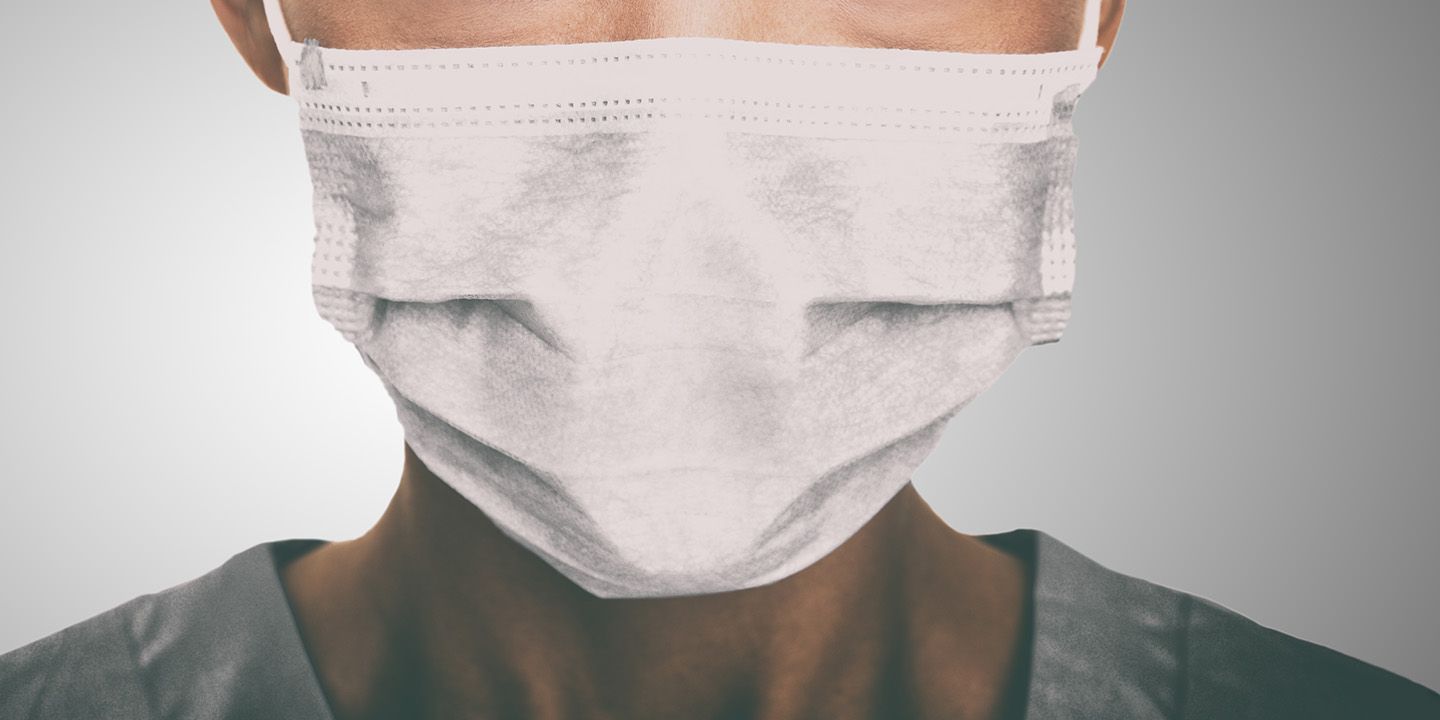
Skin changes can sometimes be easy to ignore until they persist, spread, or begin affecting daily comfort and confidence. What may first appear as simple dryness, irritation, or a seasonal rash can gradually evolve into something more complex and long-lasting. When skin symptoms keep returning despite routine care, it often signals that the underlying cause goes deeper than surface-level irritation.
One such condition is psoriasis. Rather than being just a cosmetic concern, it reflects an internal immune response that shows up visibly on the skin. Knowing how this condition behaves, why flare-ups occur, and what management options exist is essential for early recognition and effective care. Read on to explore what psoriasis is, how symptoms can vary, what causes it, how it’s diagnosed, treatment options, and when to seek medical care.
What Is Psoriasis Disease?
Psoriasis is a chronic (long-lasting) autoimmune disorder in which the immune system mistakenly targets healthy skin cells, speeding up the growth cycle of skin cells. Instead of shedding normally, new skin cells form too quickly. This rapid buildup produces patches of thickened, inflamed skin.
Psoriasis affects people of all ages, but it most commonly begins between the ages of 15 and 30. It is not contagious, meaning it cannot be passed from person to person through touch, sharing items, or close contact.
Although the exact cause is not fully known, researchers believe a combination of immune system dysfunction and genetics plays a key role. Environmental triggers (such as stress, infections, or certain medications) can also provoke flare-ups.
How Do Psoriasis Symptoms Usually Appear?
The psoriasis symptoms can vary widely from person to person. Some people have mild irritation, while others experience widespread patches that significantly impact daily activities and self-esteem. Symptoms tend to come and go in cycles, with periods of flare-ups followed by periods of improvement or remission.
1. Plaques of Red, Inflamed Skin
The hallmark of psoriasis symptoms is the development of raised, inflamed patches of skin known as plaques. These plaques are typically red or pink in colour and are covered with thick, silvery-white scales formed by the rapid buildup of skin cells. Unlike normal skin turnover, which takes about a month, psoriasis accelerates this process dramatically, causing cells to accumulate on the surface within days.
These plaques most commonly appear on:
- Elbows
- Knees
- Scalp
- Lower back
- Face
However, they can develop anywhere on the body, including the palms, soles, and even inside the ears. Over time, individual plaques may enlarge, thicken, or merge with nearby patches, covering larger areas of skin. In some cases, the affected areas may become tender and sensitive to touch, especially during flare-ups.
2. Itching, Burning, or Soreness
Many individuals with psoriasis experience persistent itching that ranges from mild irritation to intense discomfort. The sensation is not always limited to itching alone; some people describe it as burning, stinging, or even painful soreness. This discomfort can interfere with sleep, concentration, and daily activities.
Scratching the affected areas may provide temporary relief, but it often worsens inflammation and can trigger what is known as the Koebner phenomenon, where new lesions develop at sites of skin injury. Continuous scratching may also break the skin barrier, increasing the risk of secondary infections and prolonging flare-ups. For some individuals, the physical discomfort is accompanied by emotional distress due to visible skin changes.
3. Dry, Cracked Skin That May Bleed
Psoriasis treatment often aims to address severe dryness because one of the common psoriasis symptoms is excessively dry, rough skin. The accelerated skin cell production prevents proper shedding, leading to thick, hardened patches. These areas may crack, especially in regions exposed to movement, such as hands, feet, or around joints.
In moderate to severe cases, the cracks can become deep enough to bleed. Bleeding not only causes pain but also increases the risk of bacterial infection if the skin barrier is compromised. Environmental factors such as cold weather, low humidity, and harsh soaps can further worsen dryness and cracking. Proper moisturisation plays a critical role in symptom management.
4. Thickened, Pitted, or Ridged Nails
Psoriasis not only affects the skin’s surface, but it can also involve the nails. Nail changes are a significant but often overlooked sign of psoriasis. Individuals may notice small dents or pits forming on the nail surface, a condition referred to as nail pitting.
Other changes may include:
- Thickening of the nail
- Yellow or brown discolouration
- Crumbling edges
- Separation of the nail from the nail bed (onycholysis)
Nail psoriasis can make routine activities such as typing, buttoning clothes, or walking uncomfortable if toenails are affected. In some cases, nail involvement may be an early indicator of psoriatic arthritis, especially when accompanied by joint symptoms.
5. Swollen and Stiff Joints (Psoriatic Arthritis)
Psoriasis is more than a skin condition. Up to 30% of individuals with psoriasis disease may develop psoriatic arthritis, an inflammatory condition affecting the joints. This complication can cause swelling, stiffness, warmth, and pain, particularly in the fingers, toes, knees, or lower back.
Joint symptoms may appear before, during, or after skin lesions develop. Morning stiffness lasting more than 30 minutes, reduced range of motion, and fatigue are common complaints. If left untreated, psoriatic arthritis can lead to permanent joint damage. Early recognition and appropriate psoriasis treatment are essential to protect joint function and maintain quality of life.
What Causes and Triggers Psoriasis?
The underlying cause of psoriasis disease is related to an overactive immune system. In psoriasis, certain immune cells (T cells) mistakenly attack healthy skin cells, causing rapid skin cell production. This results in the accumulation of skin cells on the surface.
Key factors that contribute to psoriasis:
- Genetic predisposition: A family history of psoriasis increases risk.
- Immune system dysfunction: Autoimmune activity drives the symptoms.
- Triggers: Many environmental or lifestyle factors can trigger flare-ups, including stress, skin injury (cuts, scratches, sunburn), Infections, Smoking, Certain medications (e.g., lithium, beta-blockers), and heavy alcohol use
Although triggers can make symptoms worse, not everyone exposed to these factors will develop psoriasis. The exact combination of triggers and genetics varies from person to person.
How Is Psoriasis Diagnosed?
Diagnosing psoriasis disease usually begins with a physical examination of the skin, nails, and scalp. A dermatologist (skin specialist) will look for typical patterns of plaques, scaling, and nail changes. In most cases, a diagnosis can be made clinically by observation.
Additional Diagnostic Tools May Include:
- Skin biopsy: A small sample of skin may be taken to confirm the diagnosis by examining skin cells under a microscope.
- Medical history review: Discussion of family history, symptoms, and any potential triggers.
Unlike some conditions, blood tests alone cannot definitively diagnose psoriasis; they are typically used to rule out other illnesses with similar symptoms.
How Is Psoriasis Treated and Managed?
Although there is currently no permanent cure for psoriasis disease, a wide range of psoriasis treatment options are available to effectively control symptoms, reduce inflammation, and minimise flare-ups. The choice of treatment depends on several factors, including the type of psoriasis, the severity of psoriasis symptoms, the location and extent of skin involvement, the presence of joint symptoms, age, and overall health status.
In many cases, treatment plans are individualised and may evolve over time depending on how the condition responds.
1. Topical Treatments
Topical therapies are usually the first line of psoriasis treatment, especially for mild to moderate cases. These medications are applied directly to the affected skin and work locally to reduce inflammation and slow excessive skin cell turnover.
Common topical treatments include:
- Corticosteroids: These reduce inflammation, redness, swelling, and itching. They are often prescribed for short-term use to control flare-ups.
- Vitamin D analogues (e.g., calcipotriene): Help slow down the rapid growth of skin cells and reduce scaling.
- Topical retinoids: Derived from vitamin A, these regulate skin cell production.
Coal tar preparations: Reduce scaling, itching, and inflammation. - Moisturisers and emollients: While not medicated, they play an important role in maintaining skin hydration, reducing dryness, and improving comfort.
Topical therapies are particularly effective for localised plaques and can be used alone or in combination with other treatments.
2. Phototherapy (Light Therapy)
Phototherapy involves controlled exposure to ultraviolet (UV) light under medical supervision. It is commonly recommended when topical treatments do not provide sufficient improvement.
Types of phototherapy include:
- Narrowband UVB therapy
- Broadband UVB therapy
- PUVA (psoralen + UVA therapy)
UV light slows down the overproduction of skin cells and reduces inflammation. Treatment sessions are usually scheduled several times a week. While effective, phototherapy requires consistency and monitoring to avoid skin damage.
3. Systemic Medications
For moderate to severe psoriasis disease, or when psoriasis affects large areas of the body, systemic medications may be prescribed. These work throughout the body and target the immune response driving the condition.
Common systemic treatments include:
- Methotrexate: Suppresses the immune system activity and slows skin cell production.
- Cyclosporine: Reduces immune response and inflammation.
- Oral retinoids: Help normalise skin cell growth.
- Biologic therapies: These are advanced medications that target specific immune pathways involved in psoriasis.
Biologic therapies have significantly transformed psoriasis treatment by offering targeted action with improved effectiveness for many patients. They are typically administered by injection or infusion and are used in more severe or resistant cases.
As systemic medications affect the immune system, regular medical monitoring is essential to manage potential side effects.
4. Combination Therapies
In many cases, combining different treatment approaches produces better results than relying on a single method. For example:
- Topical treatments + phototherapy
- Systemic medication + topical therapy
- Biologics + supportive skin care
Combination therapy allows lower doses of individual treatments while enhancing overall effectiveness. Treatment plans are adjusted based on response and tolerance.
Lifestyle and Supportive Care
While medical treatment is central to managing psoriasis symptoms, supportive lifestyle measures also play a crucial role in reducing flare-ups and improving overall well-being.
Important supportive strategies include:
- Stress management: Stress is a common trigger for flare-ups. Techniques such as mindfulness, breathing exercises, or counselling may help.
- Regular moisturising: Keeping the skin hydrated reduces scaling and itching.
- Avoiding known triggers: Identifying personal triggers such as infections, skin injury, or smoking can help prevent worsening.
- Maintaining a healthy weight: Obesity is associated with more severe psoriasis and reduced response to treatment.
- Balanced diet and regular physical activity: Support overall immune and metabolic health.
Effective psoriasis treatment is not only about controlling visible plaques but also about improving comfort, reducing inflammation, and preventing complications such as psoriatic arthritis.
When to Seek Medical Care?
Psoriasis symptoms range from mild to severe, but certain situations require prompt medical attention:
- Symptoms rapidly worsen despite treatment
- Large body surface areas are affected
- Intense pain or bleeding
- Joint pain, stiffness, or swelling (possible psoriatic arthritis)
- Signs of infection (fever, warmth, pus)
Early and ongoing care can significantly improve quality of life and reduce complications.
Conclusion
Psoriasis disease is a chronic immune-mediated condition marked by rapid skin cell turnover, causing scaling, inflammation, and discomfort. Understanding psoriasis symptoms and available psoriasis treatment options helps individuals take informed steps toward effective management. While there is no permanent cure, many people lead active, fulfilling lives with the right care plan.
Early diagnosis, consistent treatment, and personalised approaches, such as topical therapies, light therapy, systemic medications, and lifestyle changes, can significantly reduce flare-ups and improve quality of life. Access to timely medical consultations and ongoing care is equally important. Health coverage options like Niva Bupa Health Insurance can help support access to dermatology services and treatment when clinically required, ensuring better continuity of care.
FAQs
1. What are the early signs of psoriasis?
Early signs often include small patches of red, scaly skin that may itch or burn. These typically appear on elbows, knees, or the scalp and may expand over time.
2. Is psoriasis contagious?
No. Psoriasis is an autoimmune disease, not an infection. It cannot spread through touch, close contact, sharing items, or casual interaction.
3. Can diet affect psoriasis symptoms?
While no single diet cures psoriasis, certain foods like anti-inflammatory foods (omega-3 rich fish, fruits, and vegetables) may reduce flare-ups. Maintaining a healthy weight can also ease symptoms.
4. Is psoriasis hereditary?
Genetics play a significant role, so having a family member with psoriasis increases your risk, but it’s not guaranteed that everyone with a family history will develop it.
5. Can psoriasis go into remission?
Yes. Many people experience long periods of remission where symptoms improve or disappear, especially with effective treatment and lifestyle management.
Get right coverage, right premium and the right protection instantly.
 By clicking, I agree to Niva Bupa
 You may also like


Popular Searches
Health Insurance - Health Insurance | Best Family Health Insurance | Best Health Insurance For Senior Citizens In India | Health Insurance With Opd Cover | Mediclaim Insurance | Critical Illness Insurance | Personal Accident Insurance | Mediclaim Policy | Individual Health Insurance | Maternity Insurance | Best Health Insurance company | NRI Health Insurance
Health Insurance Schemes - PMMVY Login | PMJJBY Policy Status | Swasthya Sathi Card | PMSBY | PMJJBY | Ayushman Card | PMMVY 2.0 | Ayushman Vay Vandana Card | PMMVY NIC IN रजिस्ट्रेशन | PMMVY 2.0 लॉगिन
Travel Insurance Plans - Travel Insurance | International Travel Insurance | Student Travel Insurance | Travel Insurance USA | Travel Insurance Canada | Travel Insurance Thailand | Travel Insurance Germany | Travel Insurance Dubai | Travel Insurance Bali | Travel Insurance Australia | Travel Insurance Schengen | Travel Insurance Singapore | Travel Insurance UK | Travel Insurance Vietnam | Travel Insurance Japan | Travel Insurance Spain | Travel Insurance Asia | Travel Insurance Netherlands | Travel Insurance Turkey | Travel Insurance Ireland | Travel Insurance Phillipines | Travel Insurace Italy | Travel Insurance France | Travel Insurance China | Travel Insurance Georgia | Travel Insurance South Africa | Travel Insurance Maldives | Travel Insurance Portugal | Travel Insurance Malaysia | Travel Insurance Qatar | Travel Insurance Poland | Travel Insurance Greece | Travel Insurance New zealand | Travel Insurance Saudi Arabia | Travel Insurance Sri Lanka
Become an Agent - Insurance Agent | IRDA Certificate Download | IRDA Exam Syllabus | IRDA exam fee | Paise Kaise Kamaye | Ghar Baithe Paise Kaise Kamaye
Top Hospitals - Best Hospitals in Gurgaon
Others - Ayushman Bharat | Gst Refund for NRI on Health Insurance Premium
Health & Wellness - शिलाजीत के फायदे हिंदी | Weight Gain Diet in Hindi | Sat Isabgol Uses In Hindi | Aloe Vera Juice Benefits in Hindi | Dragon Fruit Benefits in Hindi | Akal Daad in Hindi | Acidity Home Remedies in Hindi | Nikat Drishti Dosh in Hindi | Yoga Benefits in Hindi | Laung Khane ke Fayde in Hindi | Leukoplakia in Hindi | Protien in 100g Paneer | Benefits of Rice Water For Skin | B12 Deficiency Symptoms in Hindi | Fibre Foods in Hindi | Chronic Disease Meaning in Hindi | Vitamin D Foods in Hindi | Blood Urea in Hindi | Beetroot Uses Good for Health
Calculator - BMI Calculator | Pregnancy Calculator | Pregnancy Calendar Based on Conception Date | Pregnancy Conception Date Calculator | Last Menstrual Period Calculator | BMR Calculator | GFR Calculator | Ovulation Calculator



www.nivabupa.com

+91 11 30902010

1860-500-8888

CIN: L66000DL2008PLC182918
IRDAI Registration No. 145

Corporate Office: 3rd Floor, Capital Cyberscape, Sector 59, Gurgaon
Registered Office: C-98, First Floor, Lajpat Nagar, Part 1, Delhi-110024, India


