

Ascites Causes and Treatment: A Complete Medical Guide
30 April, 2026
9 Shares
141 Reads
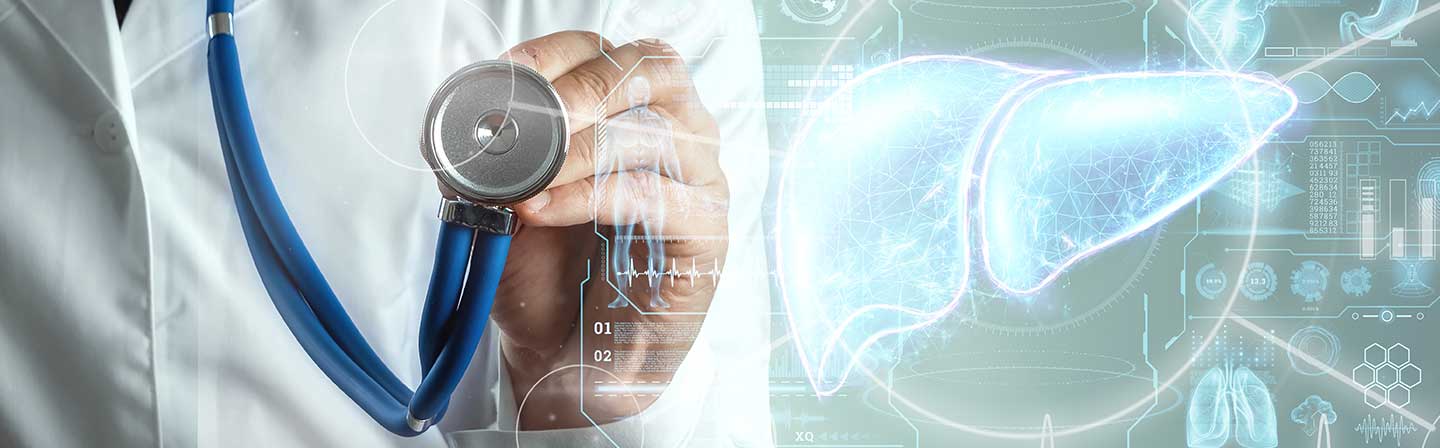
Ascites is a medical syndrome that is marked by excessive accumulation of protein-rich fluid in the abdominal (peritoneal) cavity. Although mostly linked to progressive liver disease like Cirrhosis, ascites is not a disease, but it is an indicator of severe pathology. It is a complicated physiological imbalance that can occur as a result of liver malfunction, heart failure, kidney dysfunction, cancer, or serious infections. The existence of the ascitic fluid typically indicates the development of system disequilibrium and the need to consult a doctor immediately. Understanding ascites causes is essential for identifying the underlying systemic disease and initiating timely medical care.
Ascites formation is linked to complex changes in the regulation of fluids, among which are portal hypertension, lower plasma oncotic pressure because of hypoalbuminemia and hormonal shifts that favour sodium and water retention. These may cause a derailing of the normal balance between vascular and peritoneal fluid exchange, which results in progressive abdominal distention with attendant complications. This reference offers a detailed discussion of the pathophysiology, aetiology, clinical consequences and treatment of ascites. Recognising these early signs helps clinicians investigate ascites causes before complications develop.
Knowing Ascites and Intraprostatic Pathophysiology
In order to have a grasp of ascites causes, one would want to consider the "Starling forces" that determine the flow of fluid between the capillaries and the surrounding tissue. A healthy body has a fine balance in the forces that push fluid out of the vessels (hydrostatic pressure) and those forces that keep pulling it back into the vessels (oncotic pressure). The imbalance between the two leads to the leak of fluid in a transmembrane space between the two abdominal areas known as the third space. The mechanisms described below explain the most common ascites causes related to fluid imbalance and organ dysfunction.
Portal hypertension remains one of the most significant ascites causes in patients with chronic liver disease. This is caused by a blockage in the circulation of blood through the liver, where the pressure is in turn backed up and therefore enters the portal vein. This pressure causes serous fluid to be forced out of the walls of the veins and into the abdominal cavity. At the same time, a weak liver generates less albumin, which is a protein that helps to keep the oncotic pressure high, and it allows the fluid to leave the circulation system further.
Other than the mechanical force, the body usually gets into a programme of underfilling. When the fluid exits the blood vessels and enters the abdomen, the kidneys experience a decrease in blood volume. They, in turn, respond by stimulating the renin-angiotensin-aldosterone system (RAAS), which leads to retention of sodium and water in the body. This only serves to put them in a vicious circle that supports the swelling of the abdomen instead of remediating the perceived dehydration.
The initial symptoms that are normally observed by patients include an increased abdominal circumference, weight gain, and fullness. With the fluid volume, it may cause bulging of the diaphragm, resulting in shortness of breath (dyspnea) and loss of appetite because the stomach is pushed. Unawareness of these causes means that secondary complications such as spontaneous bacterial peritonitis (SBP) can be prevented.
Primary Ascites Causes and Risk Factors
Ascites aetiology is wide, although almost 85 per cent of its cases are based on liver cirrhosis. Nonetheless, to distinguish between causes of portal hypertension and those that are non-portal hypertension, a clinician needs to assess the Serum-Ascites Albumin Gradient (SAAG). The first step towards developing a good long-term management plan is understanding the why.
Portal Hypertension and Cirrhosis
The pre-eminent cause of ascites is cirrhosis, which refers to the scarring of liver tissue. The outcome is similar: the fibrotic architecture of the liver is the result of the chronic intake of alcohol, Hepatitis B and C, or Non-Alcoholic Fatty Liver Disease (NAFLD). Such fibrosis makes blood flow harder, and this results in the above portal high blood pressure. With the decrease in the functional capacities of the liver, the systemic vasodilation, which takes place in the splanchnic (internal organ) circulation, further propels the fluid into the peritoneal space.
Heart and Kidney Failure
Blood cannot be pumped by the heart properly (congestive heart failure); therefore, it will back up in the venous system, including the liver. This form of congestive hepatopathy elevates the pressure in the hepatic veins, thus causing fluid leakage. In a similar case, the leaking of protein into the urine by the kidneys is seen to be massive in the cases of nephrotic syndrome. Such protein loss reduces the oncotic pressure of blood to a degree that the body is unable to retain fluid within the vessels, which results in generalised oedema and ascites.
Peritoneal Carcinomatosis and Malignancy
The cancer of the digestive tract, ovaries or pancreas may spread to the abdominal lining (peritoneum). These are cancerous cells that result in inflammation and may plug the drainage system, which includes the lymphatic system, which is in charge of clearing the excess fluid. Compared in some cases to cirrhotic ascites, malignant ascites often proves hard to treat since it is not merely a response to pressure but a biological process of the cancerous cells themselves, leading to the need to drain it or administer chemotherapy.
Infectious and Rare Causes
Although less prevalent in the developed world, tuberculous peritonitis causes a major number of cases of ascites in the world. The membranes become leaky in case of inflammation of the peritoneum caused by an infection. Other uncommon causes are pancreatitis, in which the digestive enzymes pass through the abdominal lining and irritate it, or so-called chylous ascites, which originates in the rupture or obstruction of the lymphatic vessels themselves, resulting in the accumulation of milky, fat-rich fluid.
Comprehensive Ascites Treatment Protocols
There is hardly a universal ascites treatment. Ascites treatment depends on severity, response to therapy, and the underlying cause of fluid accumulation. It is a gradual approach in which the use of lifestyle change techniques comes first, and surgical procedures follow in case the disease shows resistance to conventional management (refractory). This is aimed at improving the quality of life of the patient and averting life-threatening infections or renal failure (Hepatorenal Syndrome).
Nutritional Support and Sodium Restriction
The cornerstone of ascites treatment is a strict low-sodium diet. Because water is a follower, I should minimise sodium amounts to less than 2,000 mg a day so the body does not store excess fluid. This is not easy for the patients since this will involve the avoidance of processed foods and canned goods. It is also important to have nutritional support, as many liver disease patients are malnourished; therefore, the patient needs a large amount of energy (calories) and a sufficient amount of protein (unless there is hepatic encephalopathy) to enable the liver to work properly.
Diuretic Therapy
Diuretics, or water pills, are prescribed by doctors when salt restriction is not enough. The usual standard regimen includes Spironolactone and Furosemide combination. Spironolactone is a medicine that inhibits the effect of aldosterone (the hormone that retains salt), whereas Furosemide is a medicine that is used to help the kidneys to clear water. Surveillance is also important in this case as aggressive diuresis may cause electrolyte imbalance, dehydration, acute worsening of kidney function, etc.
Large-Volume Paracentesis (LVP)
A paracentesis is done on patients whose ascites is tense, resulting in a lot of pain or difficulty in breathing. This is an operation which entails the use of a needle to manually remove the fluid via the abdominal wall. Removal of above 5 litres will cause clinicians to use intravenous albumin to avoid the so-called circulatory dysfunction, which happens when the abdominal pressure is abruptly lowered. Although LVP will relieve a person, it is only a temporary solution which has to be supplemented by other treatments to avoid fluid recurring.
Liver Transplantation and Surgical Shunts
Transjugular Intrahepatic Portosystemic Shunt (TIPS) can be utilised in the case of advanced or refractory. It is a radiologic process that involves the insertion of a stent to form a bypass between the portal vein and hepatic vein, which would help to reduce pressure levels. Nevertheless, not every person can use TIPS, and not for those who have heart failure or are terribly confused. After all, in the end, for people with end-stage liver disease, a liver transplant is the best cure for ascites, which is everlasting.
Conclusion
Ascites is a severe sign of general disease, which normally indicates that the liver, heart, or kidney is failing to generate the necessary body fluid balance. Since the first symptoms of bloatting can be traced to the more complicated nature of managing diuretics and the surgical shunts, the process of ascites treatment should have a multidisciplinary approach that will include hepatologists, nutritionists, or even surgeons. Treatment of the condition with early intervention and commitment to lifestyle remains the most appropriate manner of disease management and improving long-term outcomes.
These treatments may be physically and economically exhausting, and that is the reason why you should plan your health as much as you should plan your treatments. The peace of mind that one requires when such chronic conditions are involved is offered through Niva Bupa Health Insurance. Having such features as Direct Claim settlement and access to a wide range of high-end hospitals, they provide the assurance that you can get the highest quality of care without having to bear immediate out-of-pocket charges. Having a holistic approach to long-term wellness is significantly important in investing in a comprehensive health plan.
FAQs
1. What is the main cause of ascites?
Cirrhosis of the liver is the major cause of ascites, which is responsible for around 75-85 per cent of cases. This is because extreme scarring of the liver raises the pressure levels in the portal vein, referred to as portal hypertension, which expels the fluid outside blood vessels and into the abdominal cavity. Although liver disease is the leading cause, there are other important causes like congestive heart failure, kidney failure and some types of abdominal cancer, including ovarian or pancreatic cancer.
2. Can amlodipine cause ascites?
The amlodipine, which is a typical high blood pressure drug, may cause ascites, though it is said to be a rare side effect. A majority of the reported cases are of chylous ascites in which a milky, fat-enriched fluid gathers up, especially in patients who have an underlying kidney defect orare undergoing peritoneal dialysis. Uncommon clinical accounts of amlodipine causing "serous" (clear) ascites also exist; as a rule, this resolves after drug withdrawal under medical attention.
3. Can ascites cause dizziness?
Indirectly, a buildup of fluid in the form of Ascites can be a cause of dizziness, using the following physiological processes instead of being a direct symptom of the fluid accumulation itself. A side effect of diuretic medications employed to treat the condition is often dizziness caused by the effect of the latter on the dehydration process or electrolyte imbalance. Besides this, lightheadedness or fainting can happen when there is a rapid change of fluid or a sudden decrease of blood pressure, which may happen after medical procedures such as the increase or decrease of fluid, such as paracentesis (fluid drainage).
4. What is the first stage of ascites?
Grade 1, also known as mild ascites, is the first stage of ascites; it is normally asymptomatic and not very noticeable to the naked eye. During such early development, the fluid accumulation is so insignificant that it is only specified after ultrasound examination. Unless the condition becomes manifested in more tangible symptoms of swelling, the patients can also have a minor feeling of fullness, bloating, or minor weight gain.
Get right coverage, right premium and the right protection instantly.
 By clicking, I agree to Niva Bupa
 You may also like

Popular Searches
Health Insurance - Health Insurance | Best Family Health Insurance | Best Health Insurance For Senior Citizens In India | Health Insurance With Opd Cover | Mediclaim Insurance | Critical Illness Insurance | Personal Accident Insurance | Mediclaim Policy | Individual Health Insurance | Maternity Insurance | Best Health Insurance company | NRI Health Insurance
Health Insurance Schemes - PMMVY Login | PMJJBY Policy Status | Swasthya Sathi Card | PMSBY | PMJJBY | Ayushman Card | PMMVY 2.0 | Ayushman Vay Vandana Card | PMMVY NIC IN रजिस्ट्रेशन | PMMVY 2.0 लॉगिन
Travel Insurance Plans - Travel Insurance | International Travel Insurance | Student Travel Insurance | Travel Insurance USA | Travel Insurance Canada | Travel Insurance Thailand | Travel Insurance Germany | Travel Insurance Dubai | Travel Insurance Bali | Travel Insurance Australia | Travel Insurance Schengen | Travel Insurance Singapore | Travel Insurance UK | Travel Insurance Vietnam | Travel Insurance Japan | Travel Insurance Spain | Travel Insurance Asia | Travel Insurance Netherlands | Travel Insurance Turkey | Travel Insurance Ireland | Travel Insurance Phillipines | Travel Insurace Italy | Travel Insurance France | Travel Insurance China | Travel Insurance Georgia | Travel Insurance South Africa | Travel Insurance Maldives | Travel Insurance Portugal | Travel Insurance Malaysia | Travel Insurance Qatar | Travel Insurance Poland | Travel Insurance Greece | Travel Insurance New zealand | Travel Insurance Saudi Arabia | Travel Insurance Sri Lanka
Become an Agent - Insurance Agent | IRDA Certificate Download | IRDA Exam Syllabus | IRDA exam fee | Paise Kaise Kamaye | Ghar Baithe Paise Kaise Kamaye
Top Hospitals - Best Hospitals in Gurgaon
Others - Ayushman Bharat | Gst Refund for NRI on Health Insurance Premium
Health & Wellness - शिलाजीत के फायदे हिंदी | Weight Gain Diet in Hindi | Sat Isabgol Uses In Hindi | Aloe Vera Juice Benefits in Hindi | Dragon Fruit Benefits in Hindi | Akal Daad in Hindi | Acidity Home Remedies in Hindi | Nikat Drishti Dosh in Hindi | Yoga Benefits in Hindi | Laung Khane ke Fayde in Hindi | Leukoplakia in Hindi | Protien in 100g Paneer | Benefits of Rice Water For Skin | B12 Deficiency Symptoms in Hindi | Fibre Foods in Hindi | Chronic Disease Meaning in Hindi | Vitamin D Foods in Hindi | Blood Urea in Hindi | Beetroot Uses Good for Health
Calculator - BMI Calculator | Pregnancy Calculator | Pregnancy Calendar Based on Conception Date | Pregnancy Conception Date Calculator | Last Menstrual Period Calculator | BMR Calculator | GFR Calculator | Ovulation Calculator



www.nivabupa.com

+91 11 30902010

1860-500-8888

CIN: L66000DL2008PLC182918
IRDAI Registration No. 145

Corporate Office: 3rd Floor, Capital Cyberscape, Sector 59, Gurgaon
Registered Office: C-98, First Floor, Lajpat Nagar, Part 1, Delhi-110024, India


